Speak with our friendly team today and discover how you can stand in front of our readers and make this space your own.

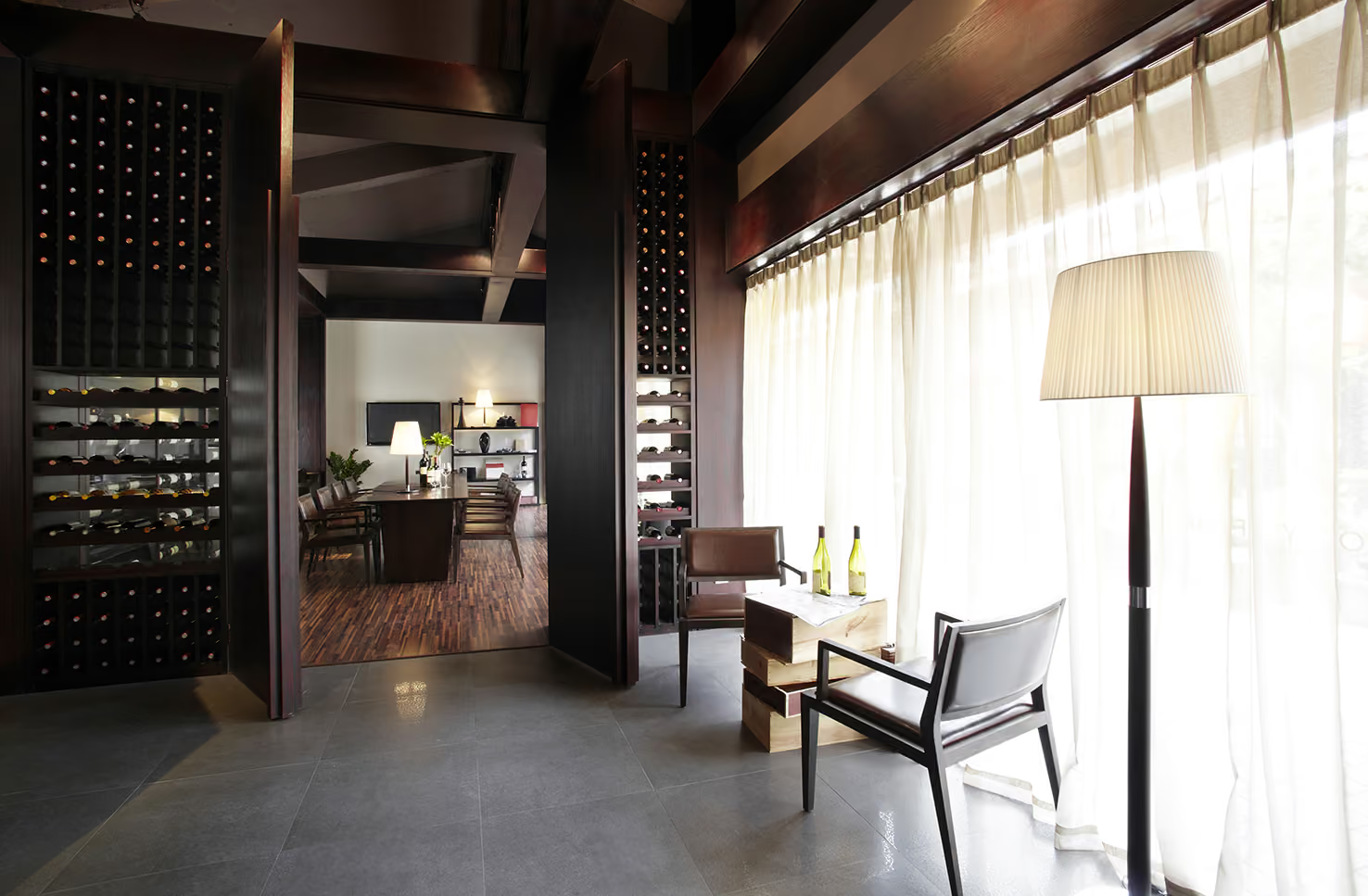
In refined spaces, the wine room has evolved far beyond storage. It is no longer simply a temperature-controlled cupboard hidden from view. Today it is an architectural statement, a place of atmosphere and intention where collecting, hosting, and appreciation intersect. At the highest level of residential design, a wine room expresses not only taste in wine but taste in living.
In refined spaces, the wine room has evolved far beyond storage. It is no longer simply a temperature-controlled cupboard hidden from view. Today it is an architectural statement, a place of atmosphere and intention where collecting, hosting, and appreciation intersect. At the highest level of residential design, a wine room expresses not only taste in wine but taste in living.
In refined spaces, the wine room has evolved far beyond storage. It is no longer simply a temperature-controlled cupboard hidden from view. Today it is an architectural statement, a place of atmosphere and intention where collecting, hosting, and appreciation intersect. At the highest level of residential design, a wine room expresses not only taste in wine but taste in living.
The most successful wine spaces begin with clarity of purpose. Some collectors prioritise long term maturation. Others focus on accessibility and entertaining. Many aim for a balance between preservation and presentation. Defining the role of the room early allows every design decision to support the lifestyle it serves. A wine room designed only for display will feel different from one designed for serious cellaring. The distinction matters.
Location within the home shapes the experience immediately. Traditionally, wine storage belonged underground where stable conditions occurred naturally. Contemporary architecture now allows wine rooms to sit confidently within living spaces while maintaining technical precision behind the scenes. Positioned adjacent to dining areas or social rooms, wine rooms become part of the rhythm of entertaining rather than a separate destination.
Climate control remains the technical foundation of any serious wine environment. Stability matters more than exact temperature. Gentle consistency protects the integrity of every bottle across years rather than months. Humidity management supports cork preservation and prevents premature ageing. Quiet systems are essential. A wine room should feel calm and composed rather than mechanical.
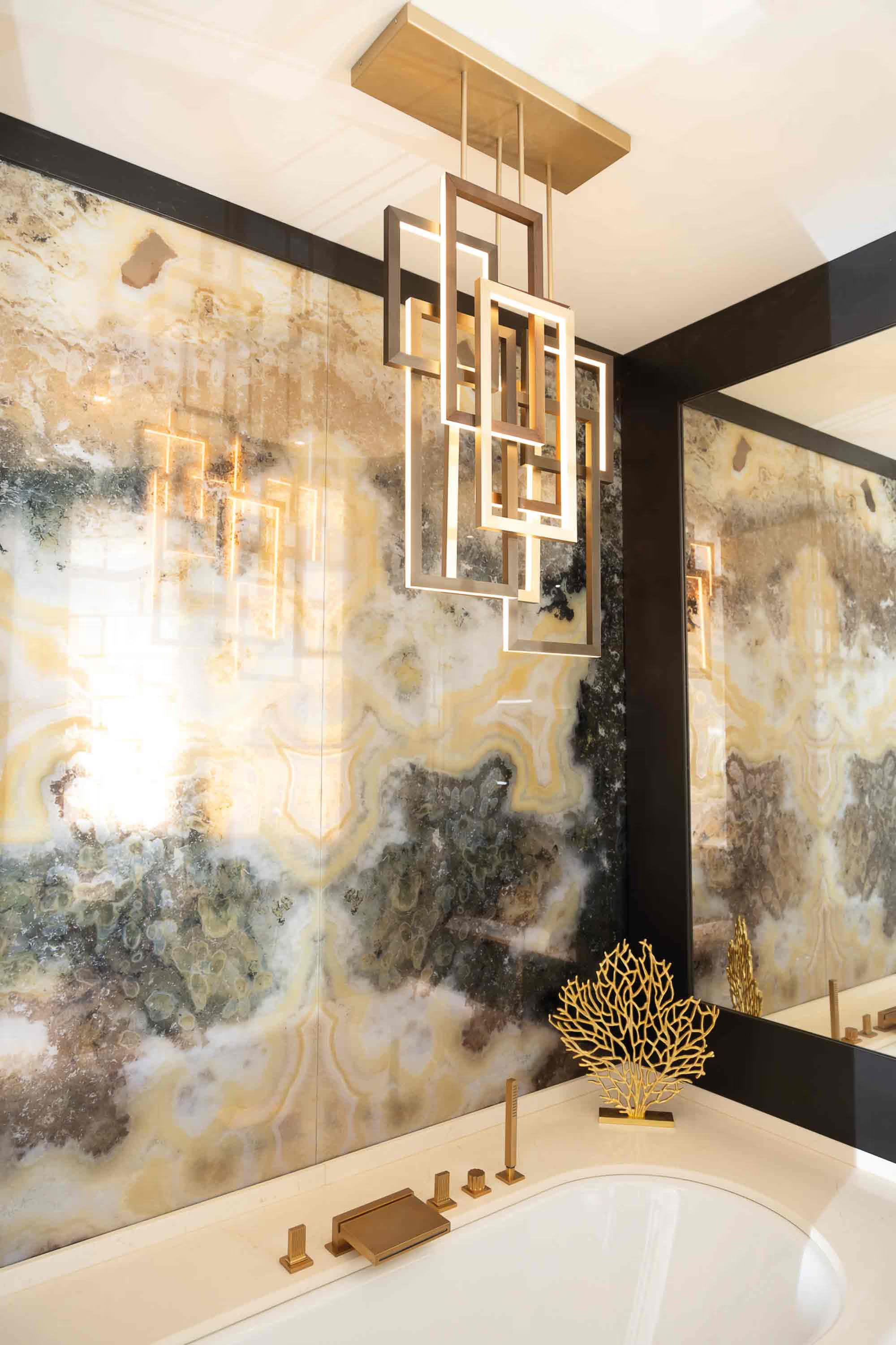
Materials define the emotional tone of the space. Natural timber introduces warmth and tradition. Stone surfaces provide visual weight and permanence. Bronze detailing adds depth without distraction. Glass can create drama while allowing collections to remain visible from surrounding spaces. When thoughtfully combined, these elements create a room that feels purposeful rather than decorative.
Lighting deserves particular attention. Wine should never feel exposed under harsh illumination. Instead, layered lighting allows the room to glow softly while still supporting visibility and selection. Shelf lighting highlights labels gently. Ceiling washes create depth. Accent lighting can draw attention to rare bottles or architectural features. The objective is quiet theatre rather than spectacle.
Storage configuration transforms a wine room from functional to exceptional. Horizontal racking supports long term cork integrity. Feature walls allow important bottles to be presented as part of the architecture. Display niches create visual pauses within larger collections. Dedicated areas for large format bottles recognise the scale and presence of special pieces. Every section of the room should feel intentional rather than repetitive.
Collectors increasingly value flexibility within their wine spaces. Adjustable shelving allows collections to evolve over time. Modular display elements support seasonal rotation. Dedicated tasting shelves allow bottles to be staged before service. These details create flow and usability without compromising visual coherence.
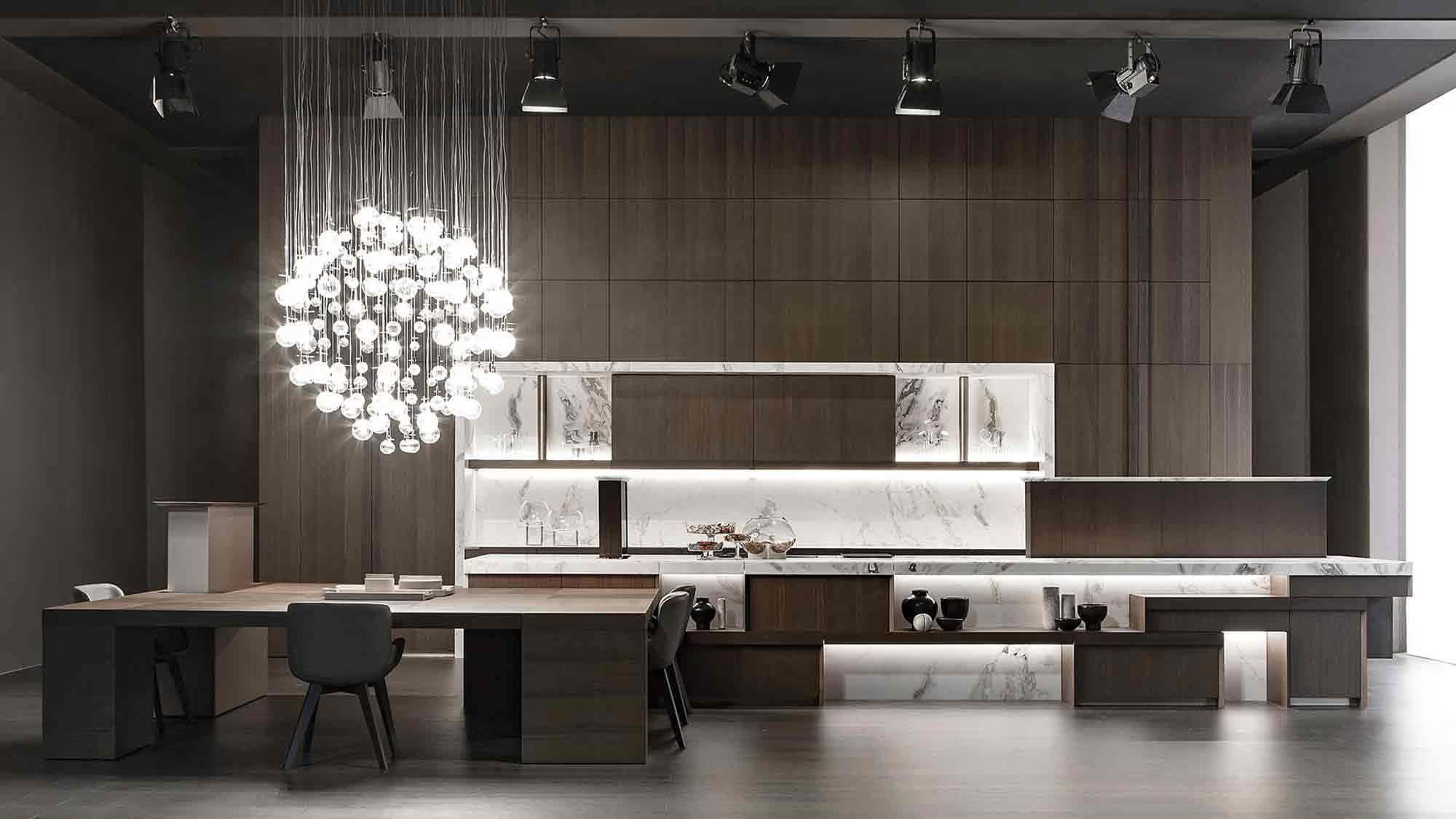
The tasting area itself has become one of the defining features of the contemporary wine room. Even a modest seating arrangement transforms the atmosphere of the space. A central island, a marble ledge, or a pair of carefully placed chairs introduces the possibility of conversation. Wine rooms are no longer regarded as simply places to retrieve bottles, they are places to pause and engage.
Technology enhances this environment quietly when used well. Discreet inventory systems help track vintages and readiness. Smart lighting adapts to different moments of the day. Climate monitoring protects collections without drawing attention to itself. The most sophisticated wine rooms allow technology to disappear into the background so that the experience remains tactile and personal.
Presentation plays a powerful psychological role. A thoughtfully curated wall of bottles communicates depth of interest and confidence of taste. The arrangement itself becomes part of the story of the home. Vertical displays can highlight rare acquisitions. Symmetrical arrangements create calm structure. Mixed orientations introduce movement and individuality. The composition of the collection becomes a form of visual authorship.
Security is another important consideration at higher collection levels. Integrated locking displays protect exceptional bottles without isolating them from the environment. Hidden safes allow rare acquisitions to remain within reach while remaining discreet. Protection should never interrupt the elegance of the room but should quietly support it.
There is also increasing recognition that wine rooms contribute meaningfully to property desirability. Buyers at the higher end of the market expect dedicated storage environments that reflect a serious approach to lifestyle design. A beautifully executed wine room signals permanence, confidence, and readiness to entertain at scale. It suggests that the home is designed for living well rather than simply living comfortably.
Perhaps most importantly, the perfect wine room reflects the personality of its owner. Some collections celebrate heritage regions and traditional vintages. Others explore emerging producers and contemporary expressions. Some rooms emphasise visual drama with illuminated glass enclosures. Others remain deliberately understated, allowing the collection itself to speak quietly.
Ultimately, a wine room is not defined by its size but by its intention. When proportion, climate, materials, and presentation align, the result becomes something more than storage. It becomes a private environment where anticipation lives alongside memory. Every bottle represents a future occasion waiting to unfold, and the room that holds them becomes part of that story.
Speak to your audience directly within articles of their interest both digitaly and through our printed issues.
Speak with our friendly team today and discover how you can stand in front of our readers.

Find this article in within our printed Magazine.

Your June issue arrives at the height of the season, where longer days and a sense of occasion invite a more considered approach to how we live, travel and indulge. This edition is curated to reflect that rhythm, blending inspiration with intelligent luxury across every page.
Speak to your audience directly within articles of their interest both digitaly and through our printed issues.
Never miss an edition. Sign up for our digital subscription and enjoy Swealthy content wherever you are. Simply leave your details and join our community – oh and it’s completely free of charge!
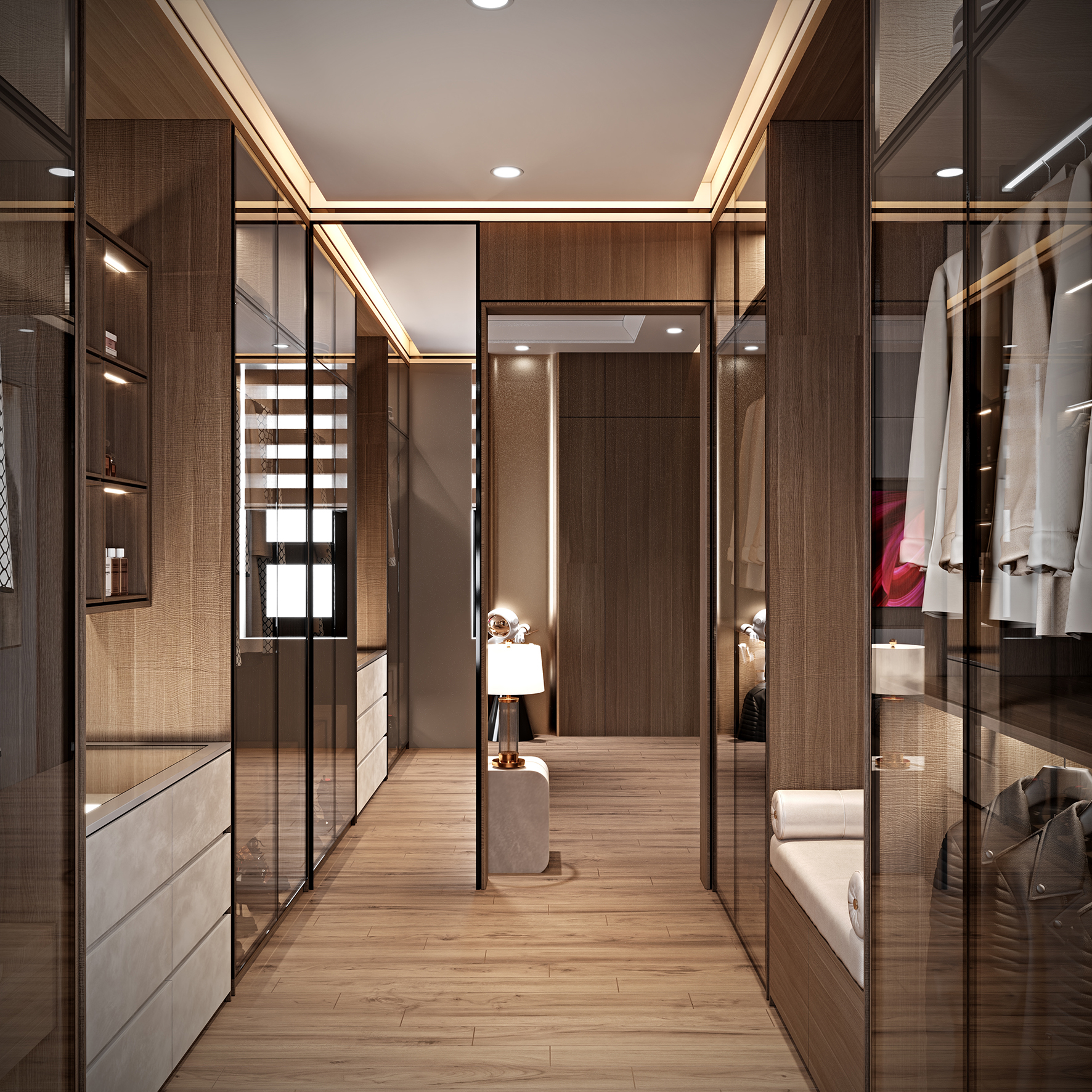
Few spaces reveal personal taste as intimately as the dressing room. Once a practical extension of the bedroom, it has evolved into a composed environment where design intelligence, craftsmanship, technology, and ritual meet. It is no longer simply where clothing is stored. It is where identity is assembled.
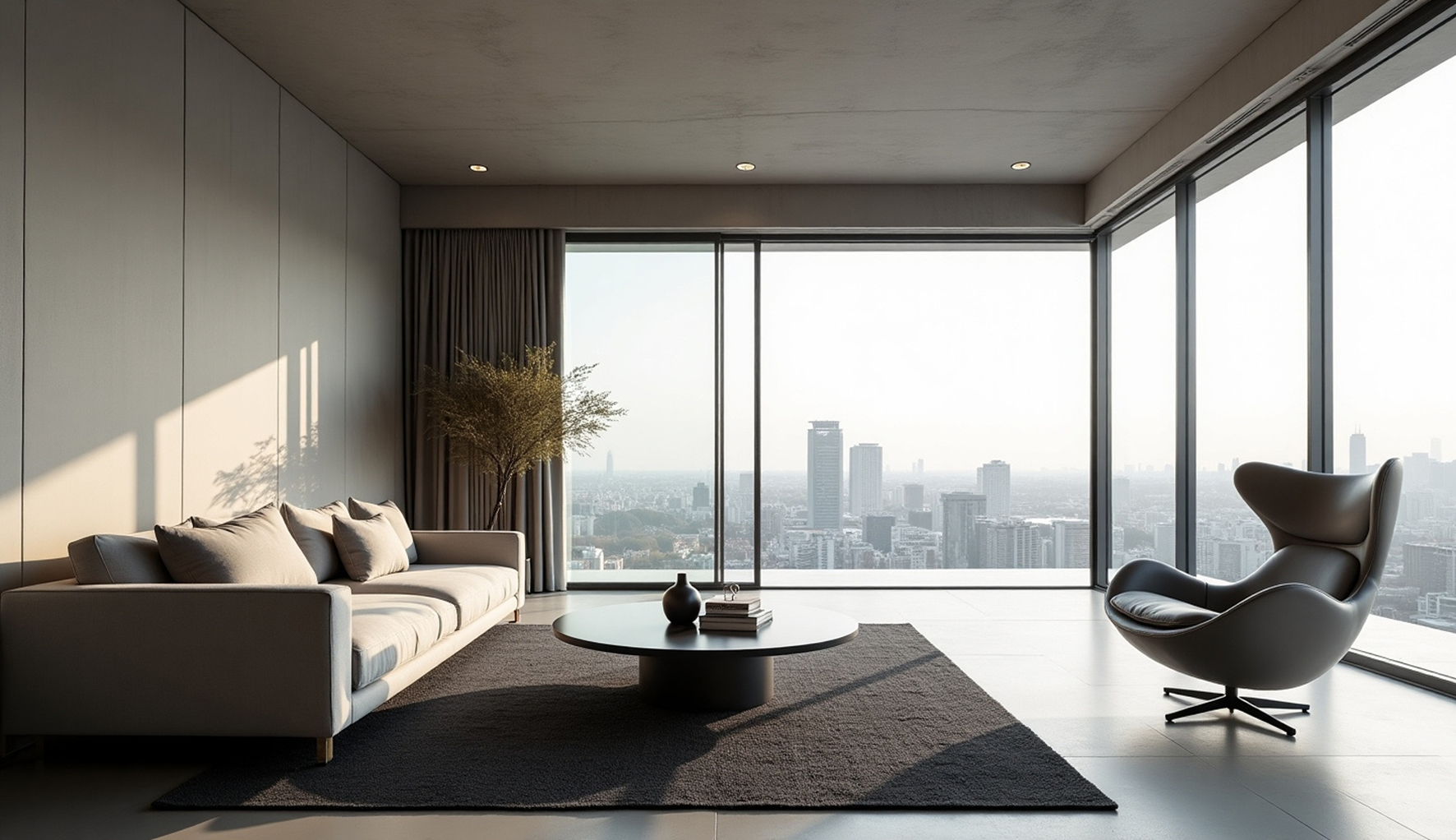
Browse the world's most prestigious homes and one thing quickly becomes clear. The finest properties rarely feel overdesigned.
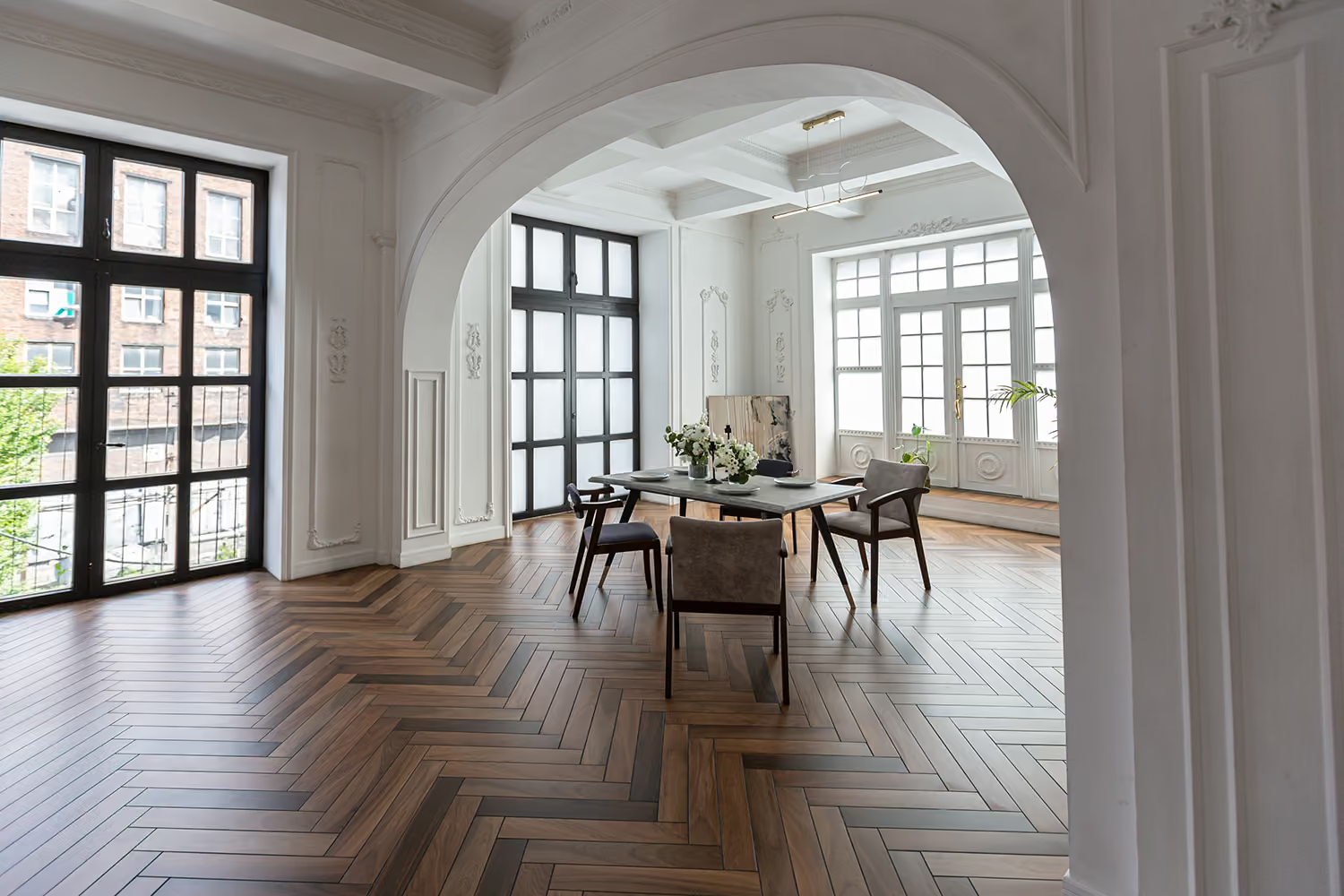
Swealthy stage properties to sell faster and for more.
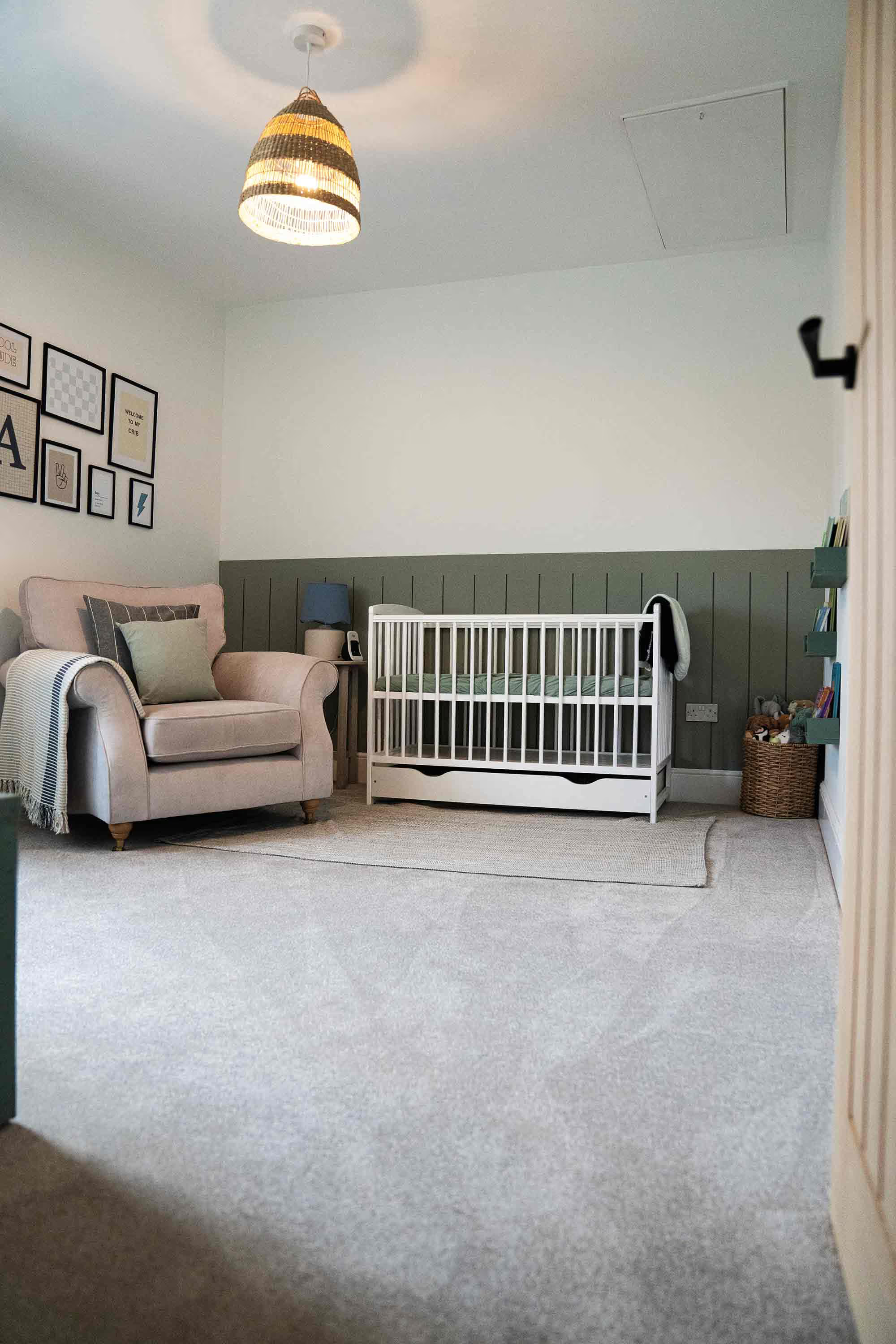
WHEN LIAM AND NICI LINLEY BOUGHT THEIR TERRACED HOUSE 11 YEARS AGO, THEY ALREADY KNEW THERE WOULD BE THINGS THEY WANTED TO CHANGE.

We were keen to get inside and see why it had retained its Michelin Bib Gourmand for a fourth year.
New to Swealthy Magazine? Welcome. Discover where to find our latest editions and catch up on everything you’ve been missing here:
Our beautifully crafted print magazine deserves pride of place on your coffee table. Sign up to receive every bi-monthly edition, delivered directly to your door - before anyone else.
Subscribe for a year and save 25%

Copyright © Swealthy LTD
All rights reserved





















.avif)