Speak with our friendly team today and discover how you can stand in front of our readers and make this space your own.

Think of it as one of the most effective assets in the property market: a silent sales person that frames a property in its best light, highlights its true potential, and helps buyers to imagine themselves living within its walls.
Think of it as one of the most effective assets in the property market: a silent sales person that frames a property in its best light, highlights its true potential, and helps buyers to imagine themselves living within its walls.
Think of it as one of the most effective assets in the property market: a silent sales person that frames a property in its best light, highlights its true potential, and helps buyers to imagine themselves living within its walls.
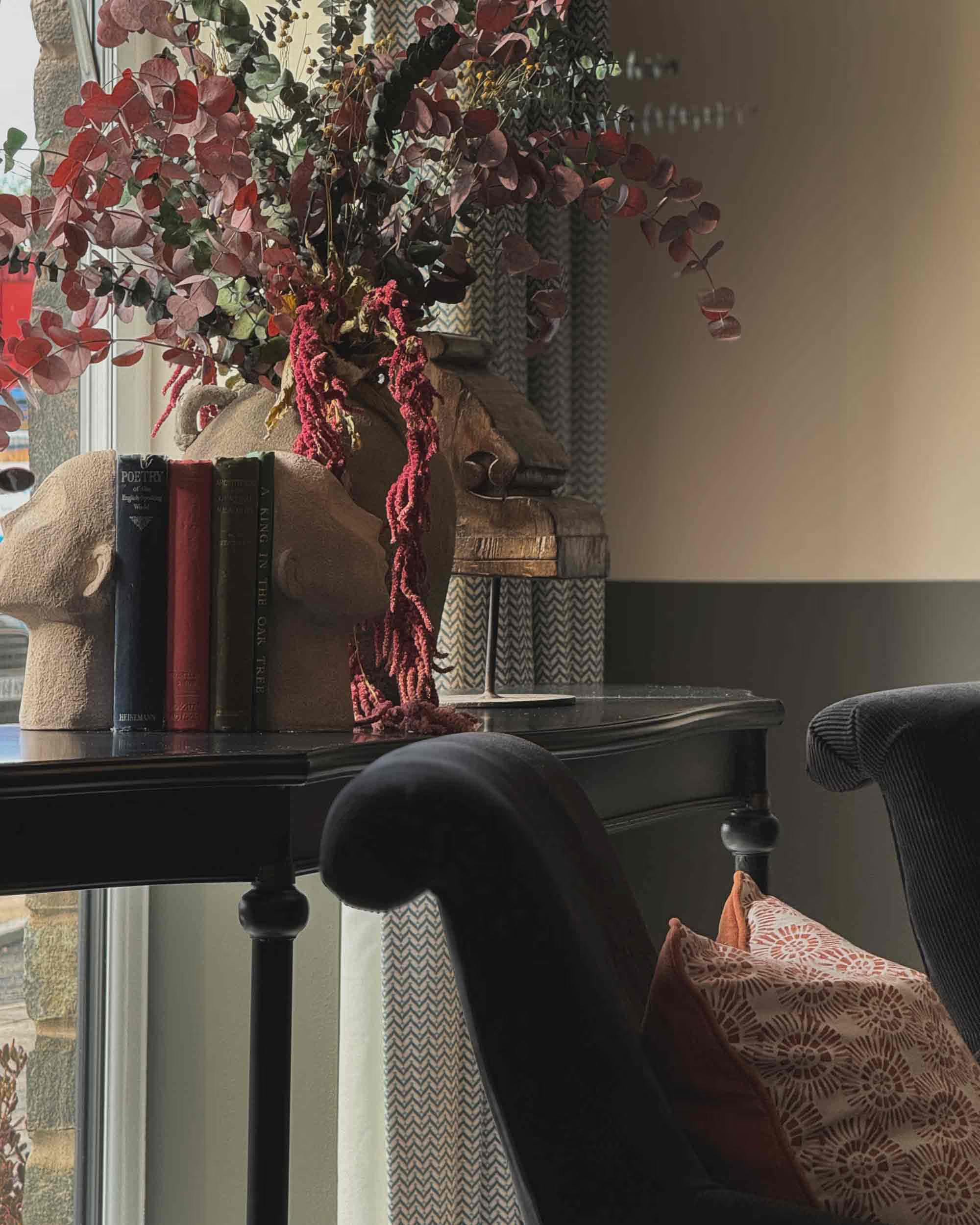
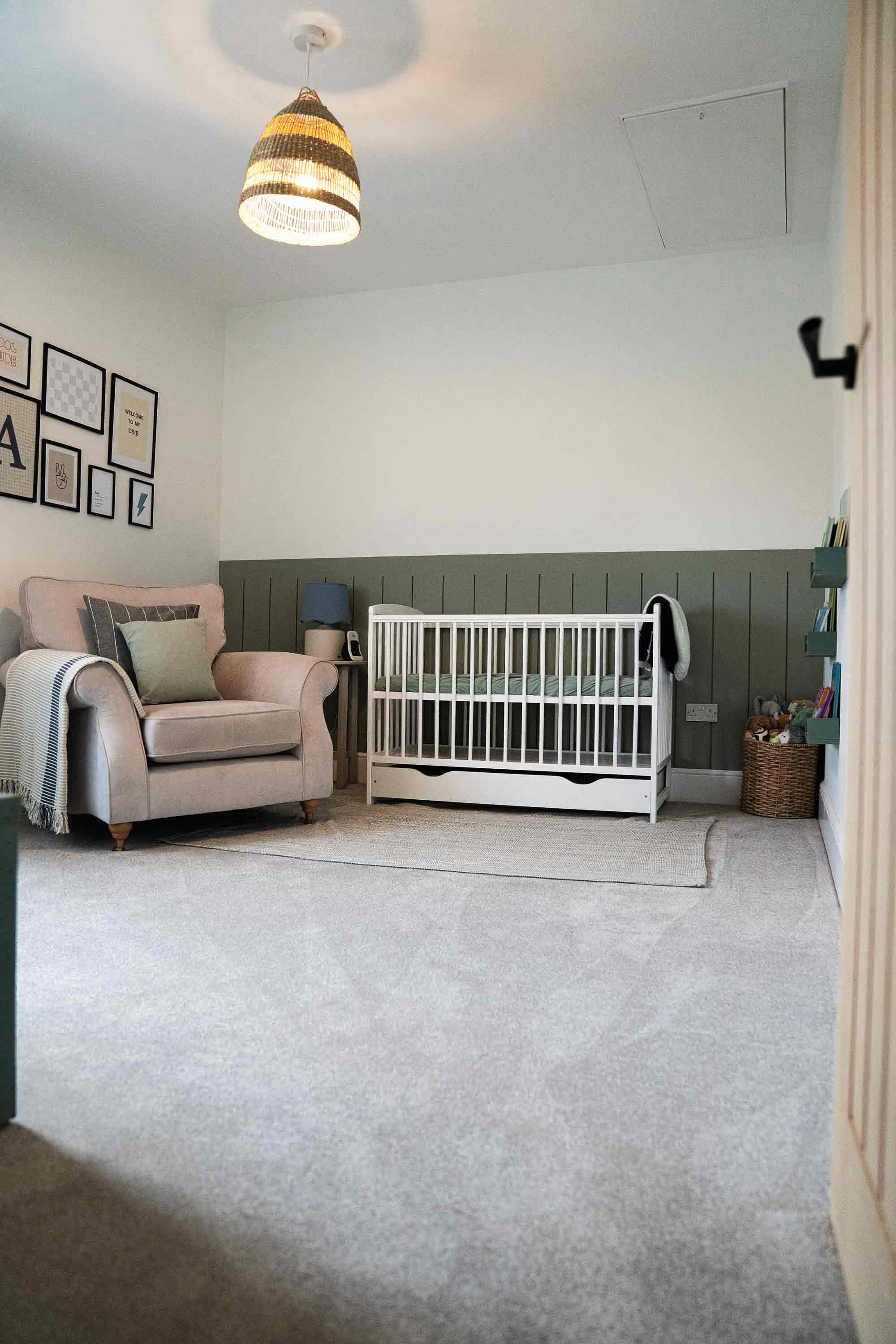
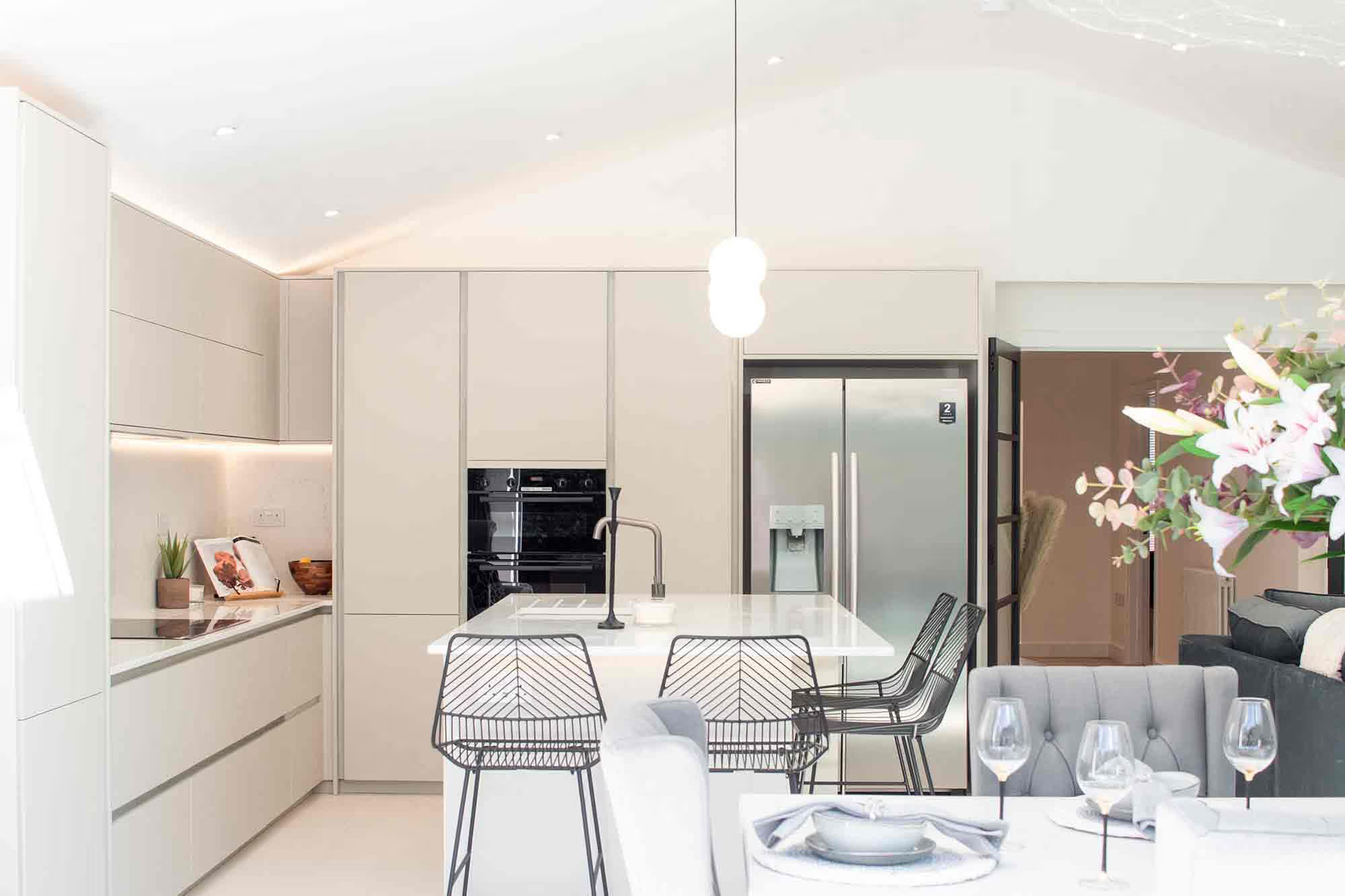
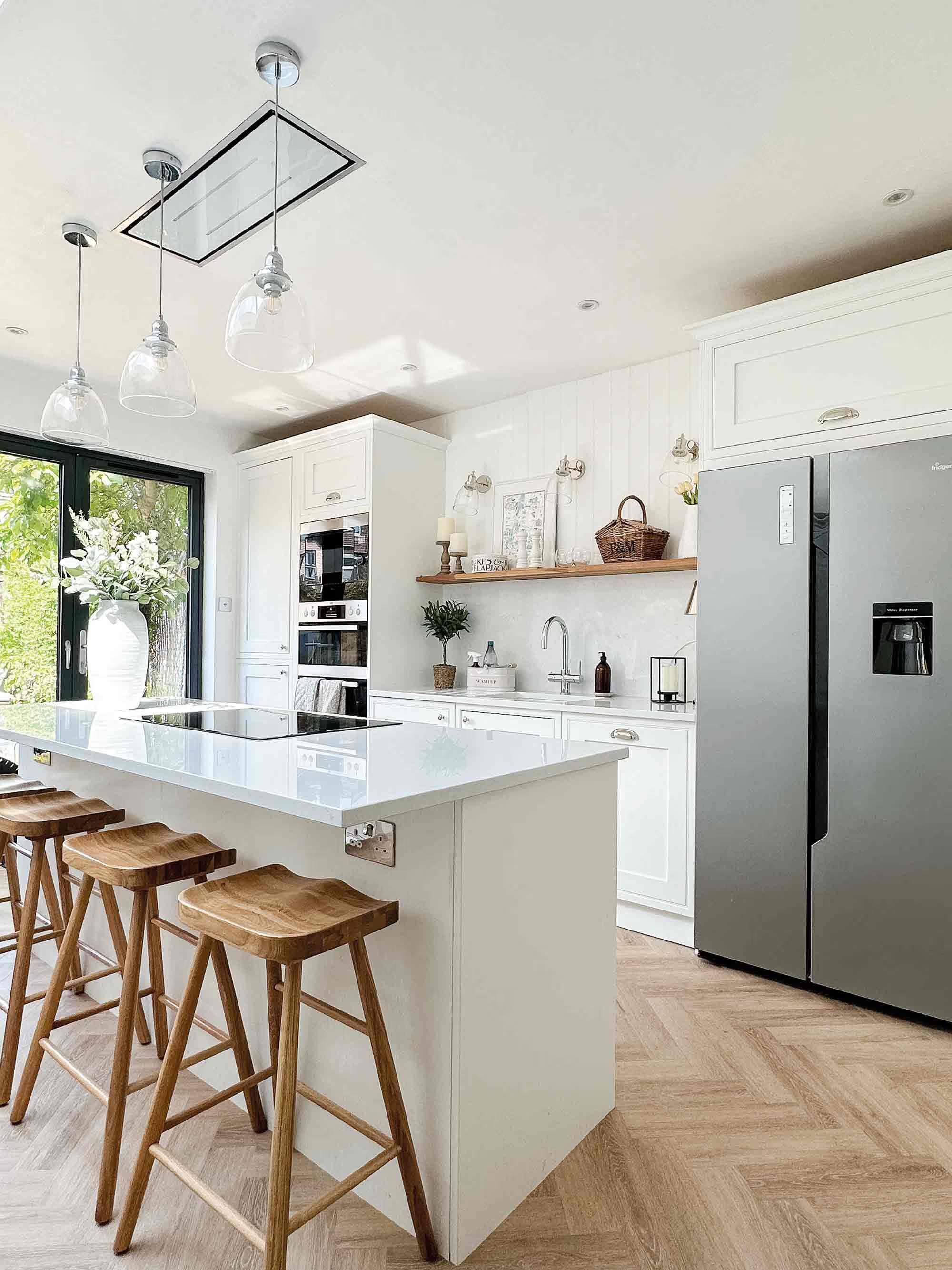
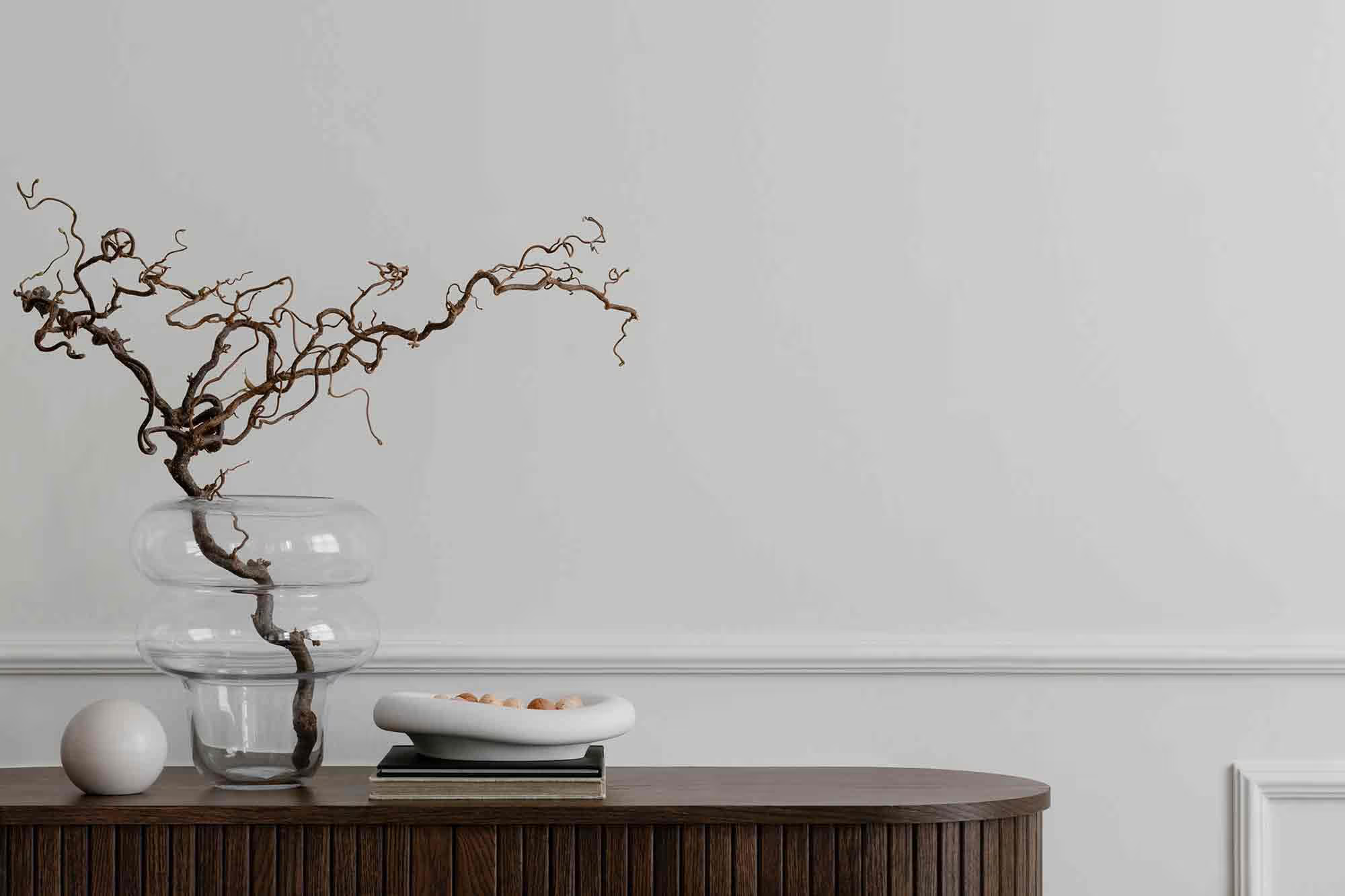
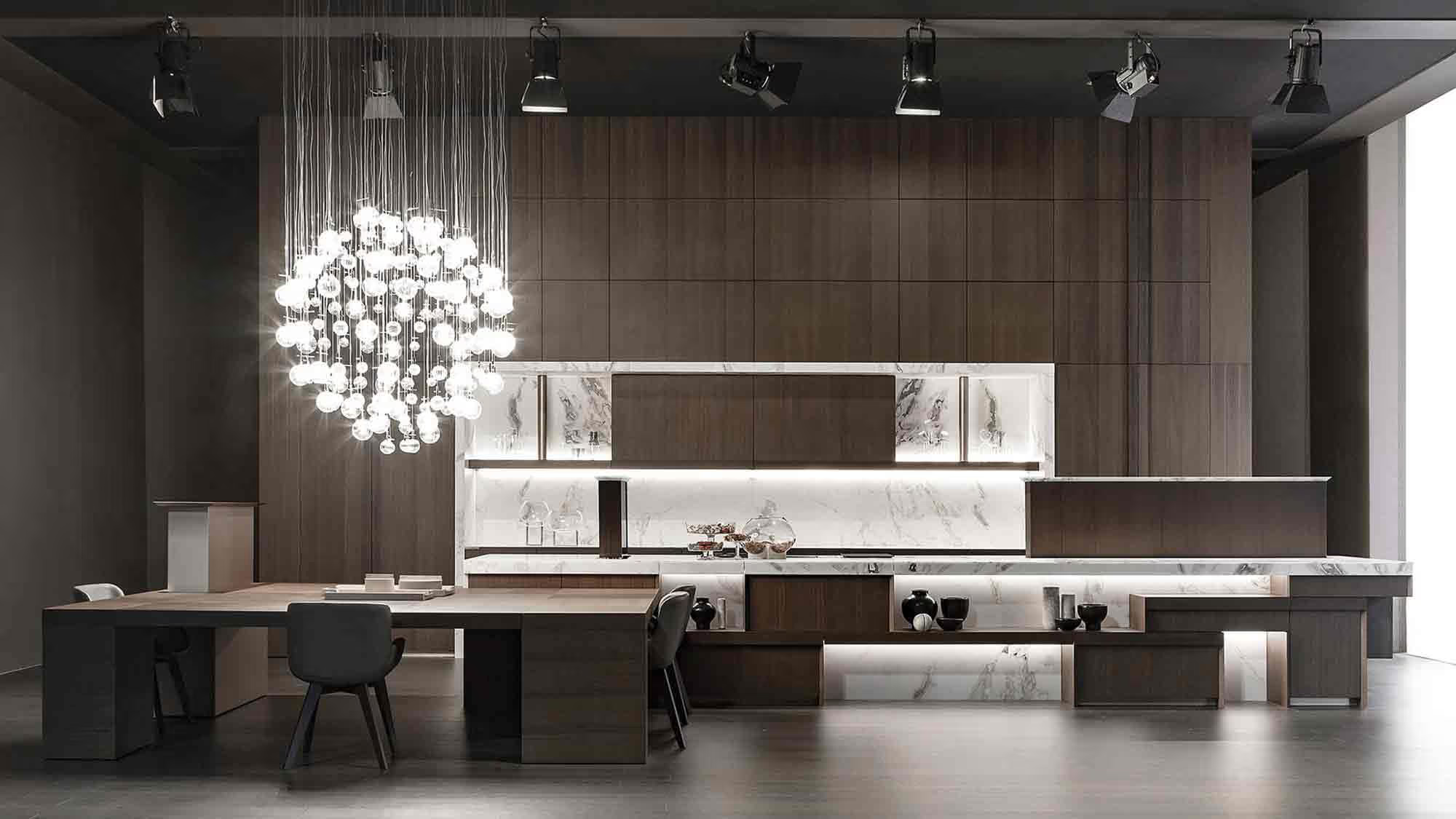
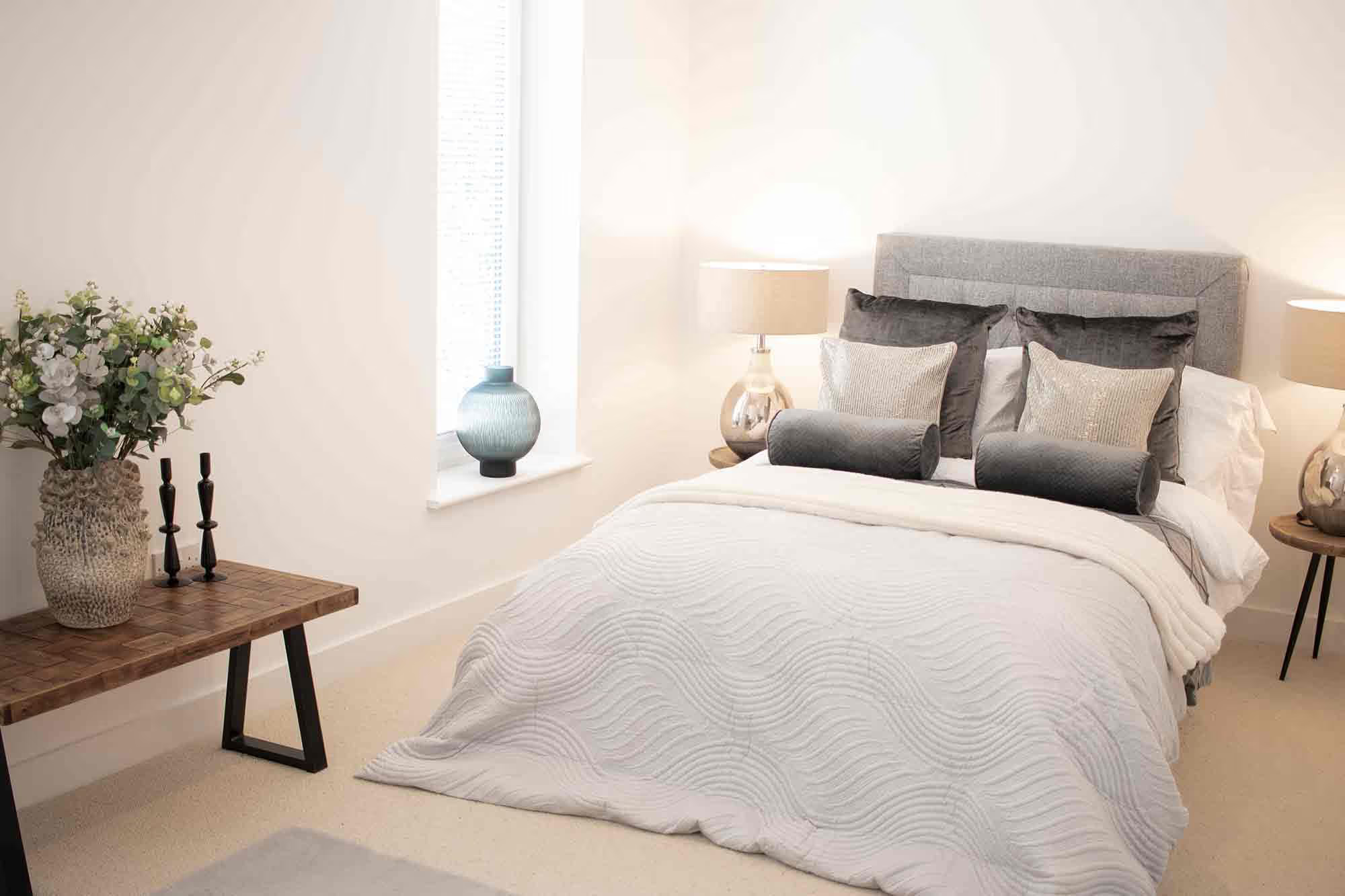
Staging a property is often a misunderstood skill. Too many people still see it as just a decorative addition, an extra layer of cushions, artwork, or furniture chosen to ‘pretty up’ an empty space. In reality, staging is a strategic tool that goes far beyond appearances. Think of it as one of the most effective assets in the property market: a silent sales person that frames a property in its best light, highlights its true potential, and helps buyers to imagine themselves living within its walls.
Done with care and intent, staging can shape perceptions, communicate value, and create a genuine emotional connection with the correct target demographic. Done poorly, however, it can distract, confuse, or even diminish the very asset it is meant to enhance.
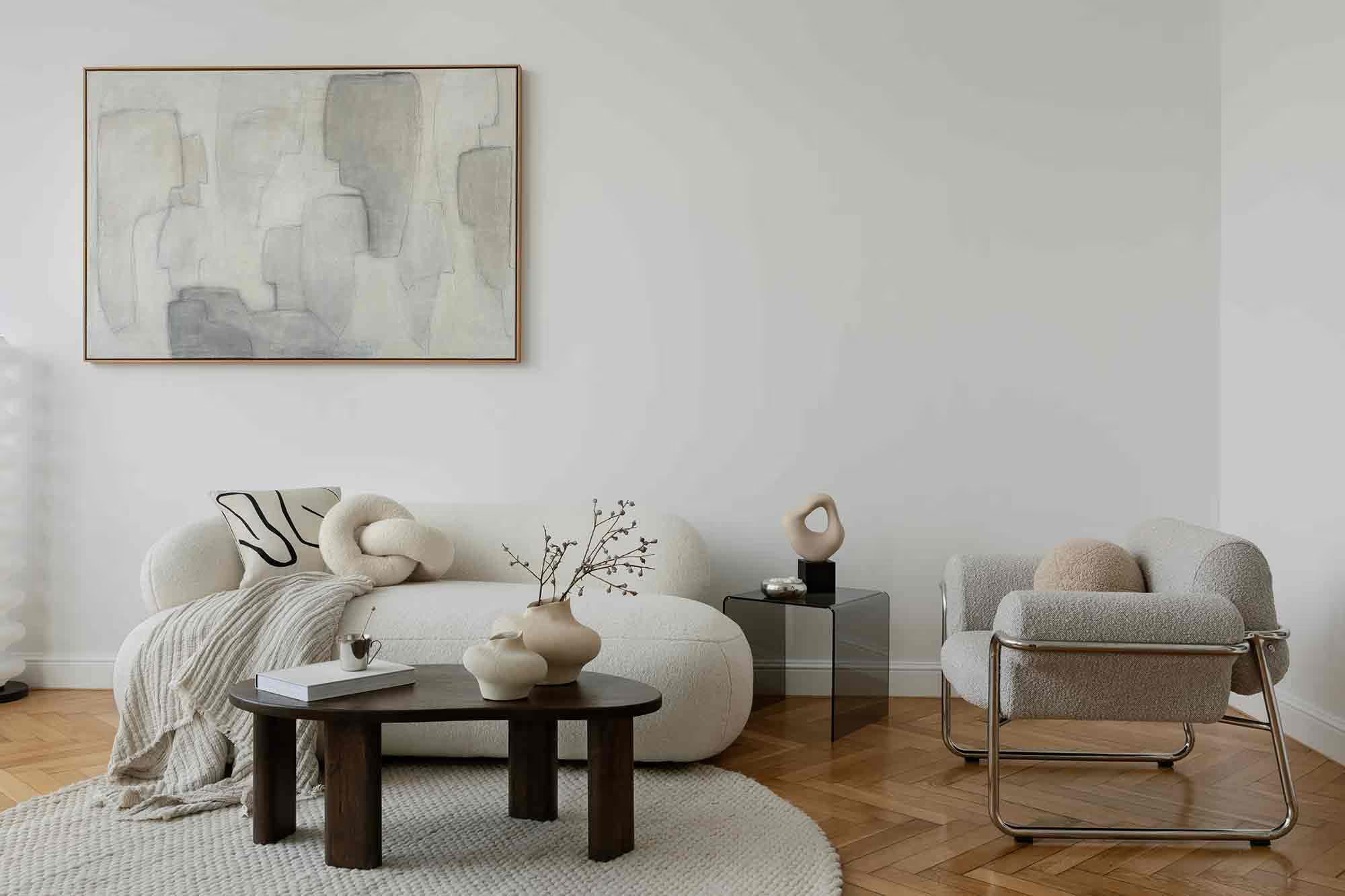
Effective staging is purposeful. It involves more than simply placing a sofa in a lounge or setting a dining table because the room looks bare without it. Every detail, from the scale of the furniture to the texture of a throw, must reflect the value of the home, the functionality of the space and the dreams of the likely buyer.
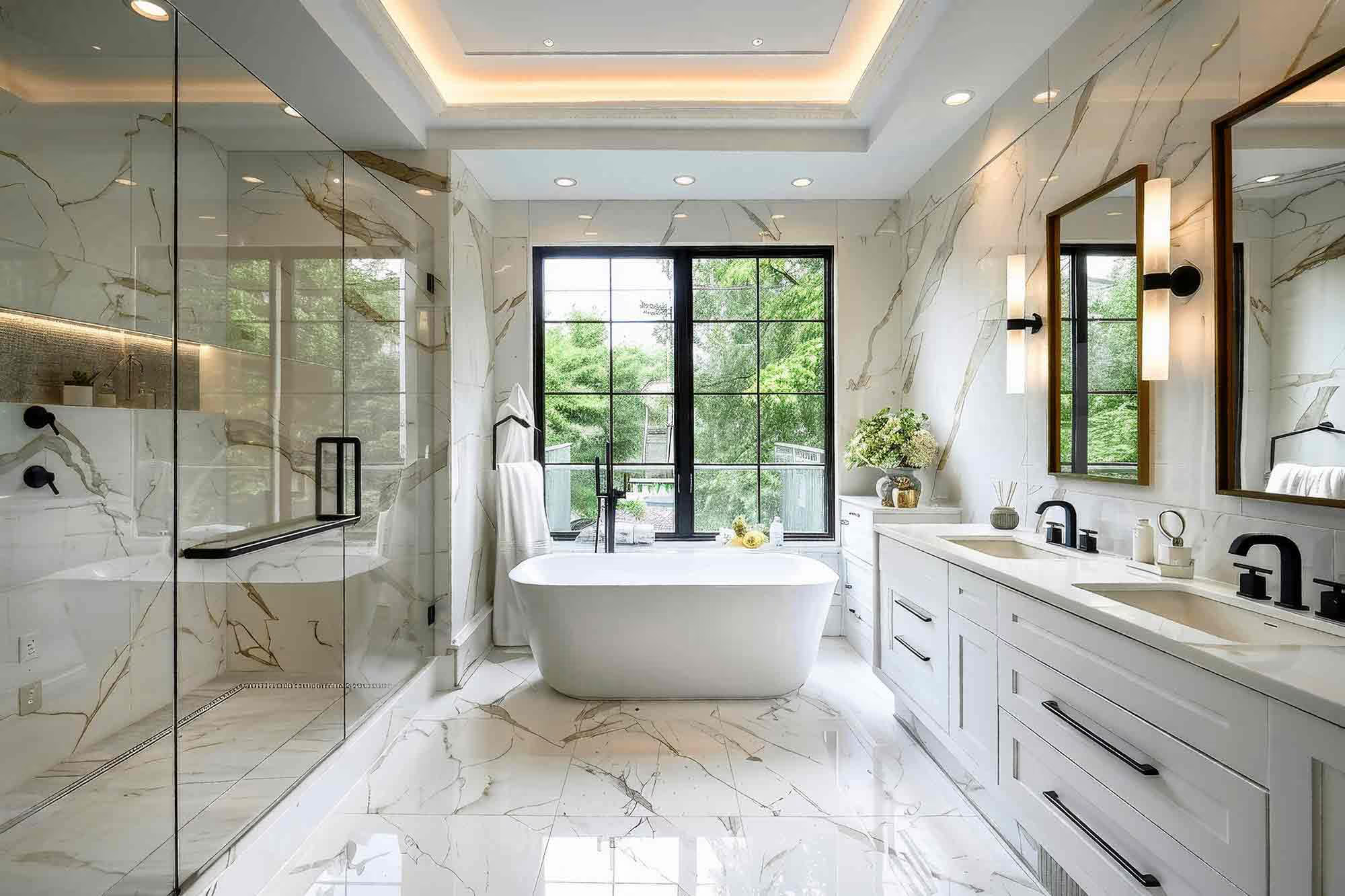
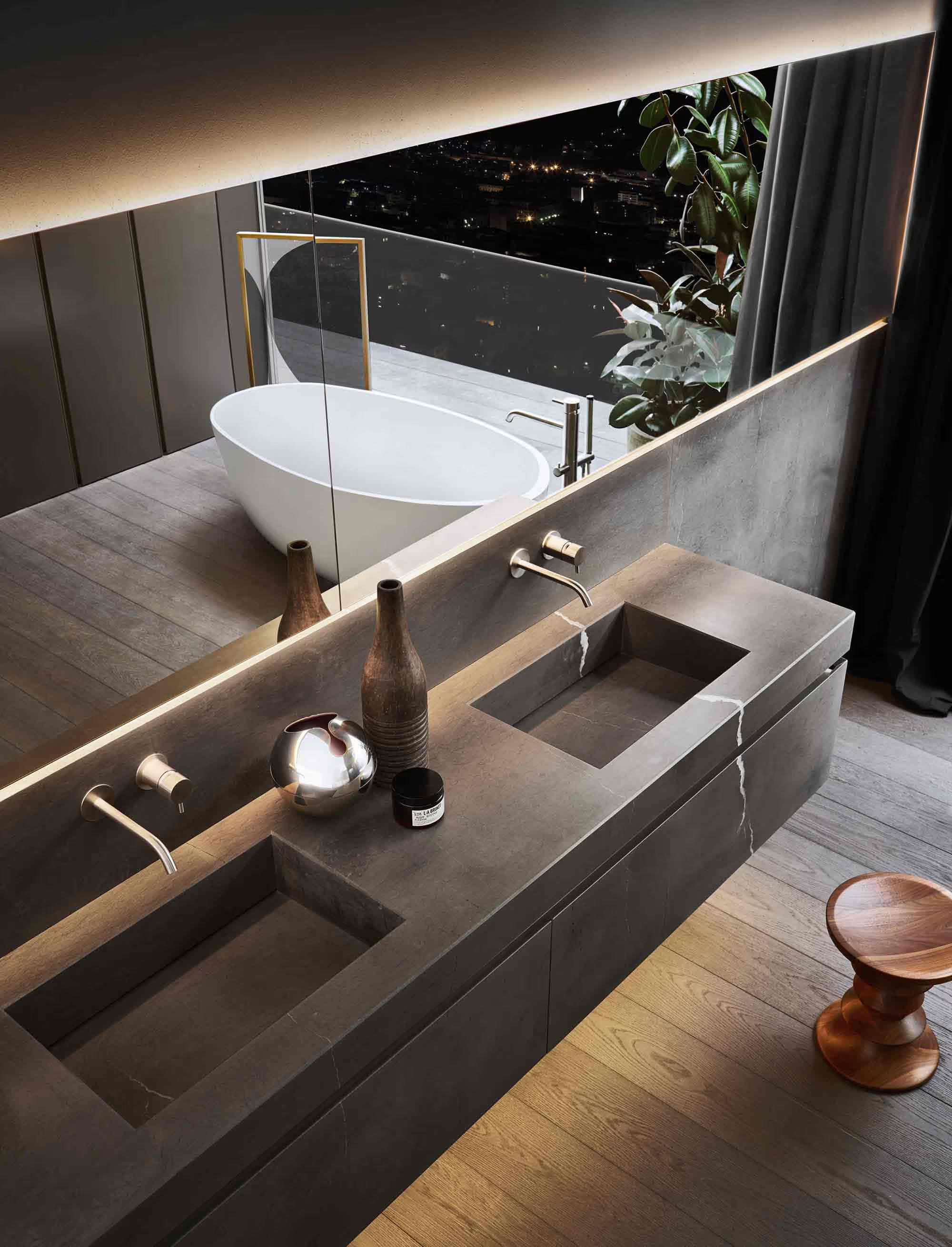
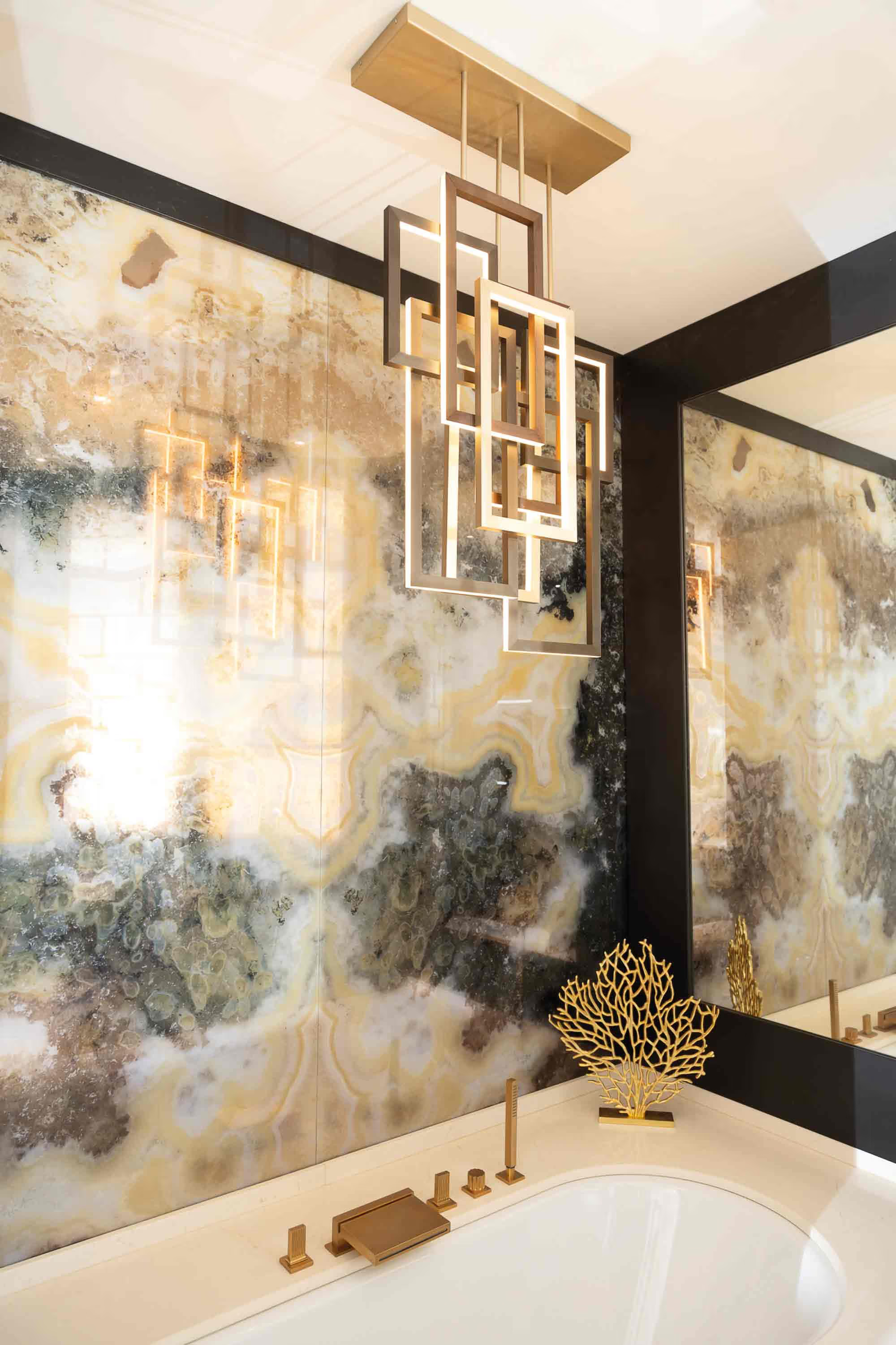
For luxury homes, quality and refinement are essential. A buyer considering a multi-million-pound property expects exclusivity, attention to detail, and an environment which reflects their lifestyle. If they walk into a living room that’s filled with mass-produced furnishings, their illusion collapses. Instead of instilling confidence, the staging creates doubt: if corners have been cut here, where else might compromises exist? Trust, once broken, is extremely difficult to rebuild.
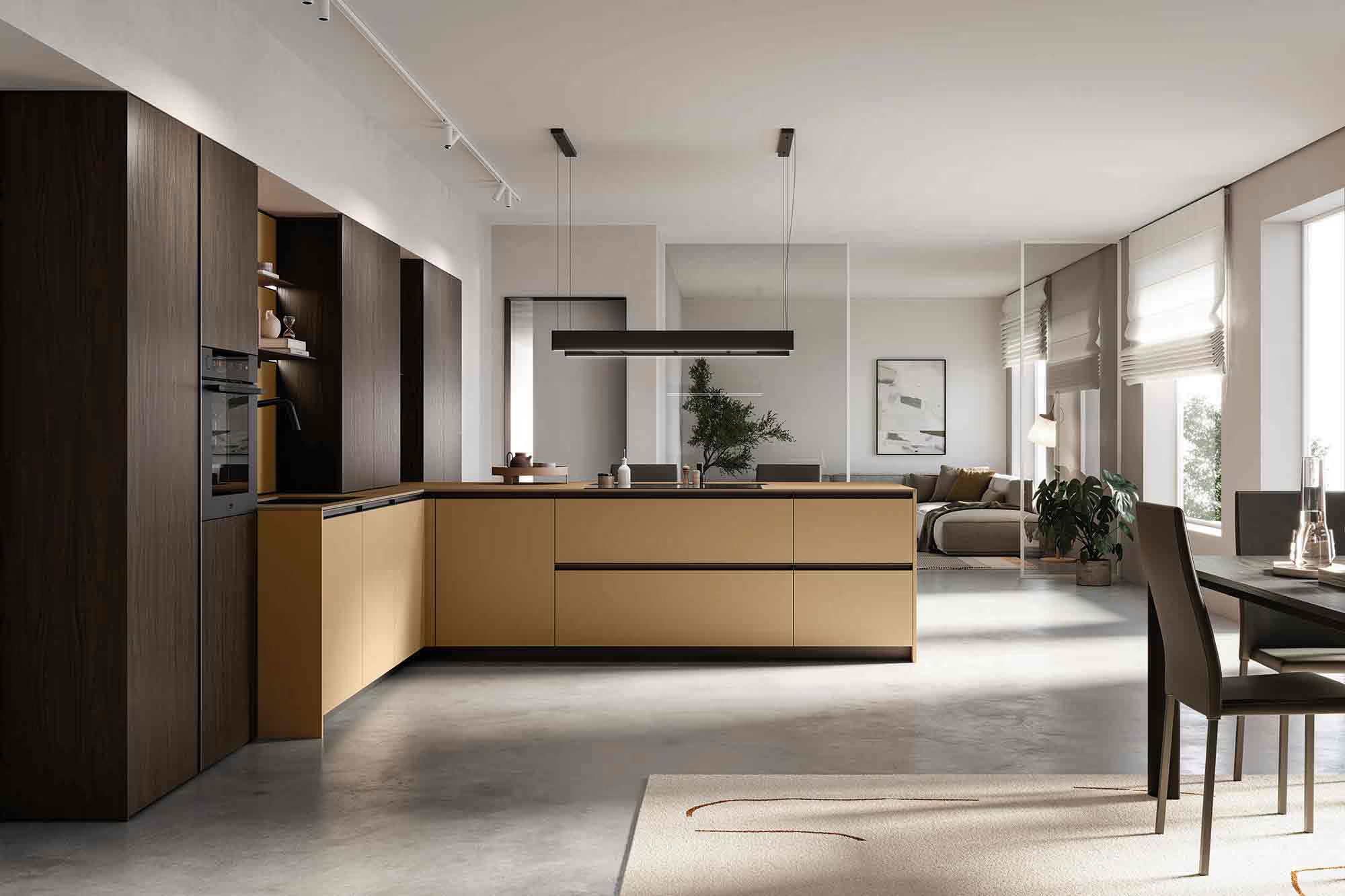
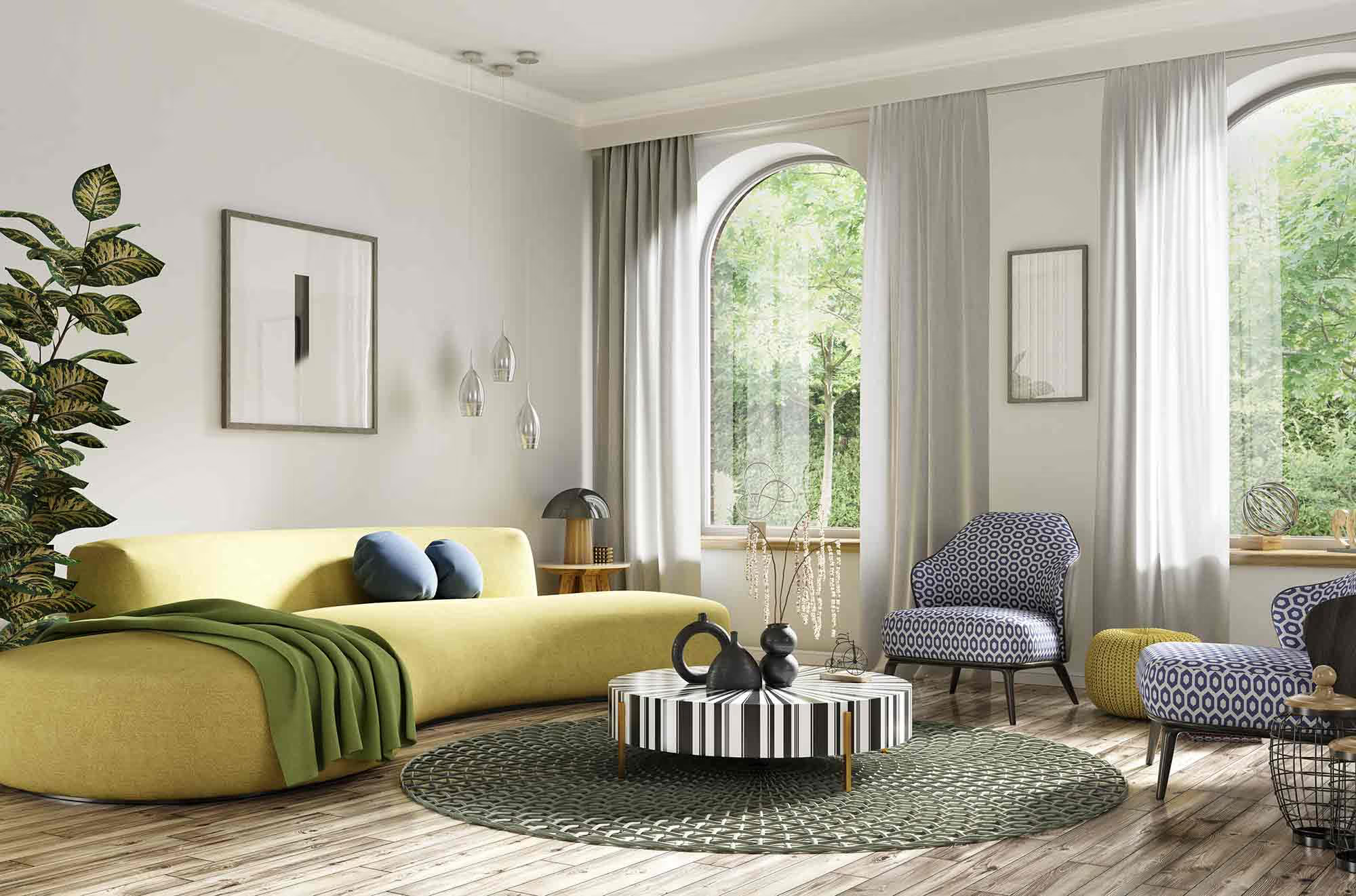
At the same time, professional mid-market homes require a slightly different approach. Here, buyers want spaces that feel modern, stylish, and aspirational, but are also believable and attainable. The goal is to strike the perfect balance between ambition and reality, showcasing a lifestyle that inspires, but one that still feels within reach.
Whether at the very top of the market or within the competitive mid-range, the principle is the same: staging should reflect not just the property, but the lifestyle buyers either already enjoy or hope to achieve.
In today’s property market, the first encounter between a buyer and a home rarely happens in person. The majority of buyers first see a property online, either through portals, social media, or virtual tours. How a home appears in photos and videos can make or break interest before anyone steps through the door.
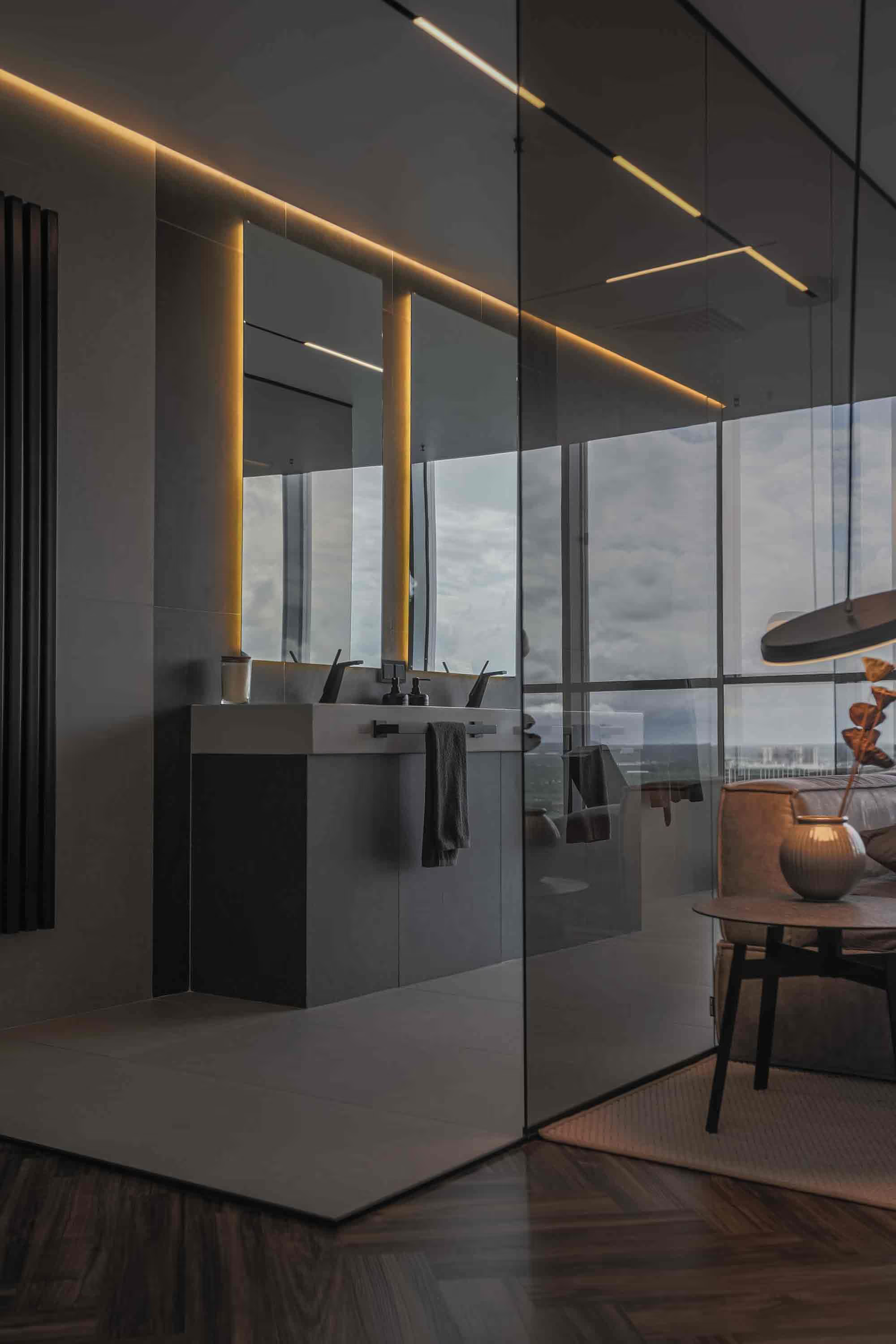
Every choice, from lighting and layout to colour palettes and accessories, influences online perception. Cluttered or poorly proportioned rooms can appear smaller or less inviting, while carefully staged spaces convey scale, flow, and lifestyle. Well-staged homes photograph better, stand out on listings, generate more enquiries, and ultimately increase footfall for viewings, improving the likelihood of a sale. Staging, in this sense, begins the buyer’s emotional journey before they ever set foot inside.
While aesthetics may capture attention, functionality and authenticity sustain it. Buyers are quick to sense when a home feels staged for show rather than for life. Durability and practicality must play a central role. In environments such as hotels, serviced apartments, or multi-residence developments, furnishings must withstand heavy use while still represent beauty. Fabrics need to resist wear, finishes must be robust, and layouts should make movement and cleaning straightforward.
Likewise, in private residences, staging should mirror reality. Dining areas should hint at family meals, living spaces should look inviting enough for long evenings, and storage solutions must feel intuitive. When these functional elements are ignored, staging risks creating a sense of artificiality that buyers instinctively recognise.
Another common oversight is the reliance on a “one-style-fits-all” formula. Using the same collection of furniture across multiple properties may simplify operations, but it strips homes of their individuality. Buyers often tour several properties in succession, and when they see identical furnishings being repeated, the homes begin to feel generic and forgettable. Worse still, applying budget-friendly staging to high-value homes can inadvertently reduce their perceived worth.
Today’s buyers are more discerning than ever. Influenced by countless hours scrolling through property portals, Instagram feeds, and Pinterest boards, they understand style and design. They can tell when furnishings feel cheap, mismatched, or out of sync with the property. Conversely, when staging feels tailored, authentic, and aligned with their ambitions, it resonates deeply. Buyers leave thinking: “This feels like home.” That moment of connection often transforms casual curiosity into a serious commitment.
As explained, purposeful staging is not simply a creative exercise, but an active financial strategy. Properties styled with intent consistently attract more interest, spend less time on the market, and command stronger offers. Each day a property remains unsold carries costs (maintenance, utilities, financing, etc) and erodes its momentum in the marketplace. Tailored staging reduces this risk and drives faster sales.
It also bridges the imagination gap. Empty rooms, particularly those with awkward layouts or expansive open-plan designs, can be difficult for buyers to interpret. Without guidance, buyers may struggle to visualise where furniture should go, how spaces can function, or what lifestyle the home supports. Curated staging eliminates any uncertainty. By presenting spaces with carefully considered scale, proportion, and style, it brings clarity and inspires imagination. Instead of asking questions, buyers begin to picture themselves living there.
Staging is not an optional extra. It is a proven method of storytelling that conveys professionalism, builds trust, and sets properties apart in crowded markets.
At Swealthy Staging, we believe every property has its own story to tell. That story begins with understanding its value, its purpose, and the audience it is designed to attract.
Our approach ensures that properties are not only presented beautifully, but also functionally and authentically. The result is an environment that connects with buyers on both a practical and emotional level, creating spaces that are memorable, desirable, and positioned for success.
If you’re ready to stage smarter and with greater impact, Swealthy Staging can help. Visit swealthystaging.com to discover how tailored, strategic staging can both transform your property and capture the hearts of buyers you want to attract.
Speak to your audience directly within articles of their interest both digitaly and through our printed issues.
Speak with our friendly team today and discover how you can stand in front of our readers.

Speak to your audience directly within articles of their interest both digitaly and through our printed issues.
Never miss an edition. Sign up for our digital subscription and enjoy Swealthy content wherever you are. Simply leave your details and join our community – oh and it’s completely free of charge!

If you’ve been using your pension as a savvy way to pass wealth down to the next generation, i’ve got some news that might make you want to put down your coffee for a second. For years, pensions have been the "holy grail" of estate planning, a tax-efficient bucket that sat safely outside the reach of the tax office when you passed away.
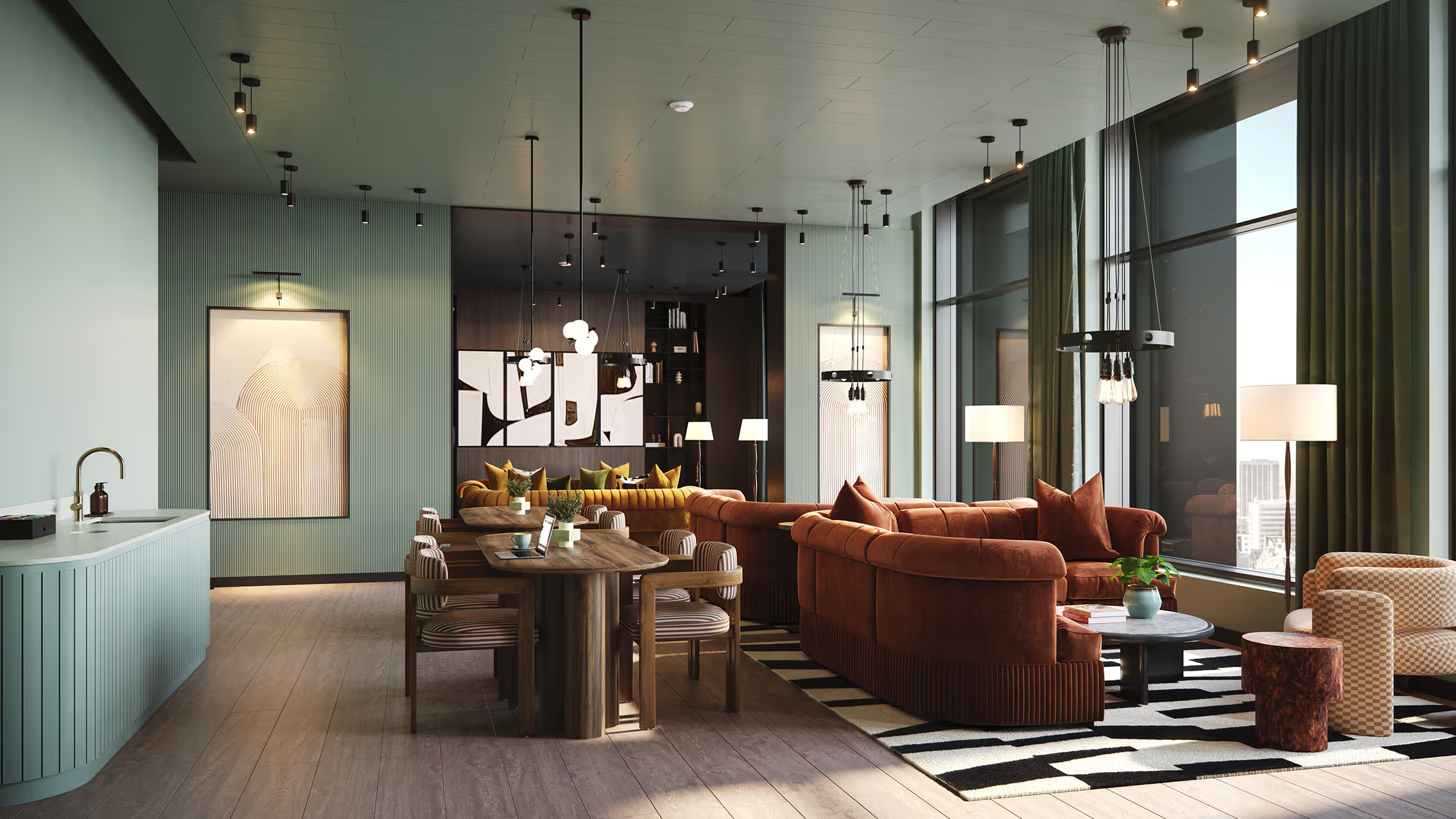
An exclusive preview of curated interiors and wellbeing amenities as regenerated Ludgate Hill site prepares to open

New developments. Prime locations. Expert management.

In the upper echelons of British society, luxury is no longer defined by excess alone.


Perhaps no possession embodies lasting allure quite like a classic car.
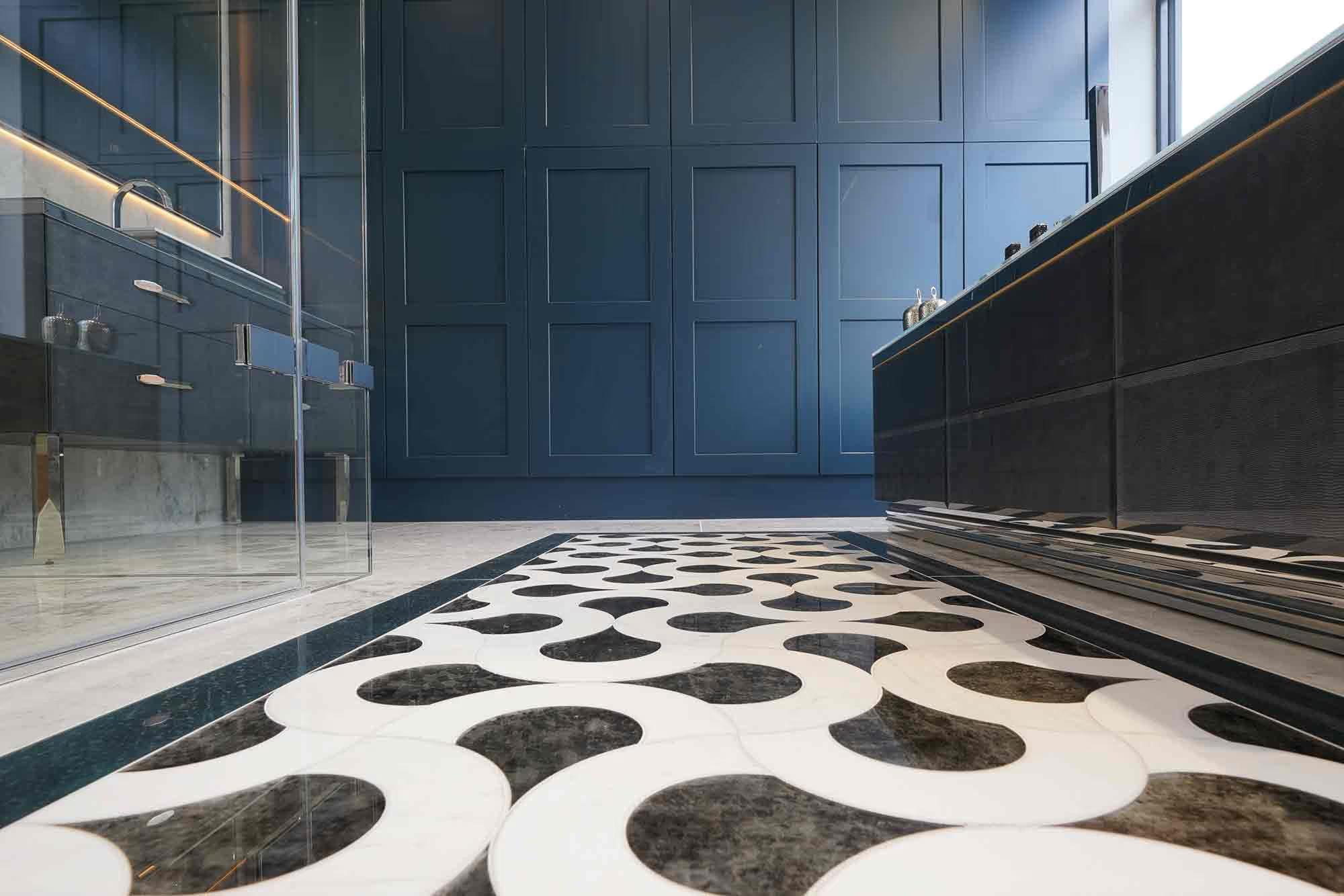
Naz is a multi-award-winning designer and owner of Veritas Interiors. He will be sharing his interior design tips in each issue.
New to Swealthy Magazine? Welcome. Discover where to find our latest editions and catch up on everything you’ve been missing here:
Our beautifully crafted print magazine deserves pride of place on your coffee table. Sign up to receive every bi-monthly edition, delivered directly to your door - before anyone else.
Subscribe for a year and save 25%

Copyright © Swealthy LTD
All rights reserved




























.avif)