Speak with our friendly team today and discover how you can stand in front of our readers and make this space your own.

While visual appeal is undeniably important, successful staging goes far beyond surface beauty.
While visual appeal is undeniably important, successful staging goes far beyond surface beauty.
While visual appeal is undeniably important, successful staging goes far beyond surface beauty.
SWEALTHY STAGE PROPERTIES TO SELL FASTER + FOR MORE.
If you’re ready to stage smarter, Swealthy Staging can help. Visit swealthystaging.com to see how purposeful staging can transform your property and attract the right buyers.
When it comes to preparing a property for sale, it’s easy to focus primarily on aesthetics, a fresh coat of paint, stylish décor, and perfectly plumped cushions. While visual appeal is undeniably important, successful staging goes far beyond surface beauty. The most compelling homes are those which not only look good but also feel right to prospective buyers. This sense of rightness often stems from one critical factor: function. Thinking through how a person will physically use and move through each space transforms a staged home from merely attractive to truly desirable.
Buying a home is as much emotional as financial. When viewers walk through a property, they imagine themselves living there: making coffee, getting ready, relaxing. If the layout or features make these tasks awkward, it disrupts that connection, but when everything works effortlessly, the buyer starts to see the space as a home rather than a house.
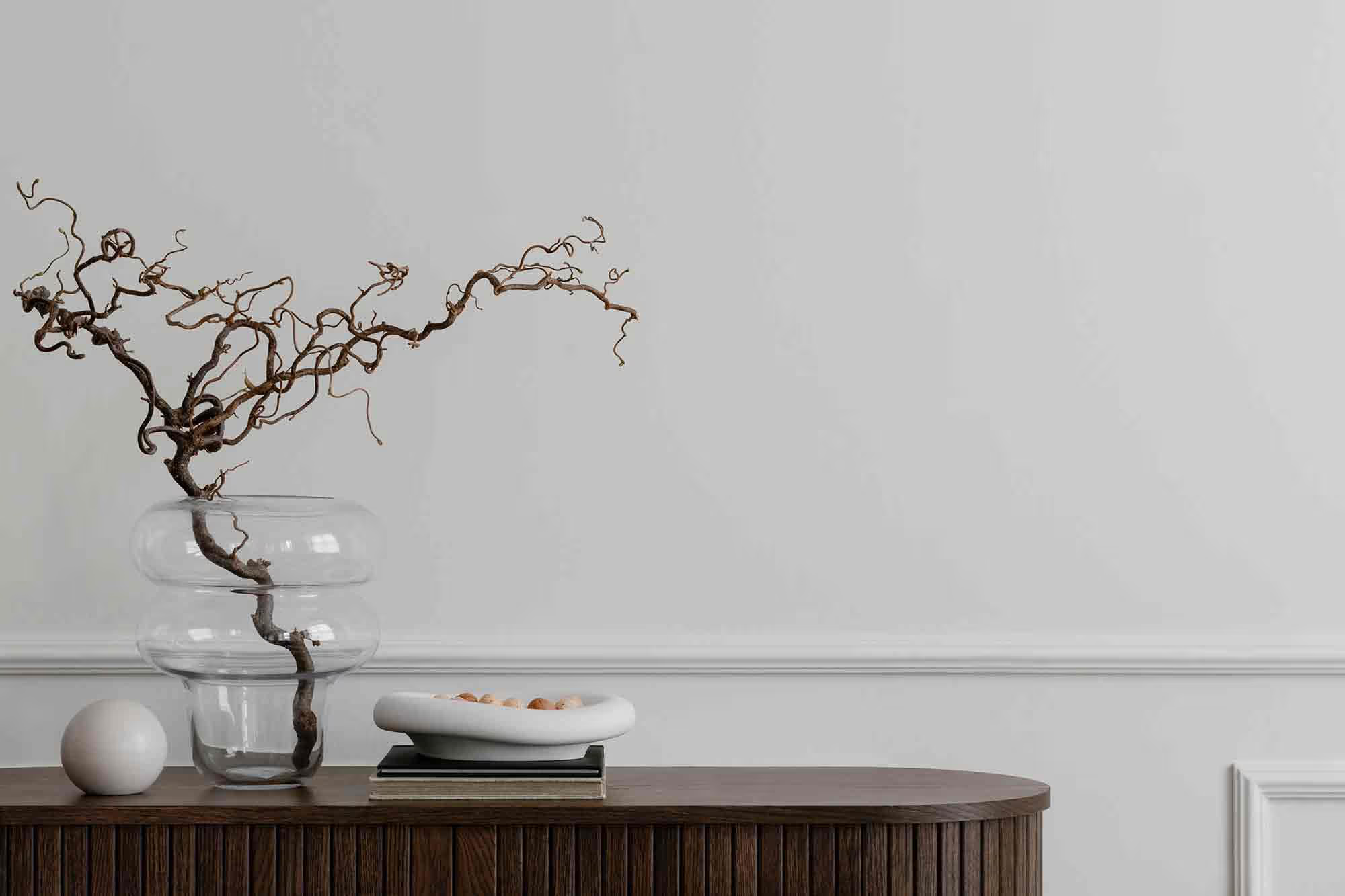
Staging should show how a room works, not only how it looks. This means allowing enough space to open drawers and doors, placing lighting where it’s needed, and positioning utilities, plug sockets, towel rails, shelving, in practical locations. These details may seem minor, but they strongly influence buyer perception.
A well-staged room has a natural flow that fits real life. When planning a layout, it helps to think like a visitor: Where will they enter? What will they see first? Can they move without obstruction?
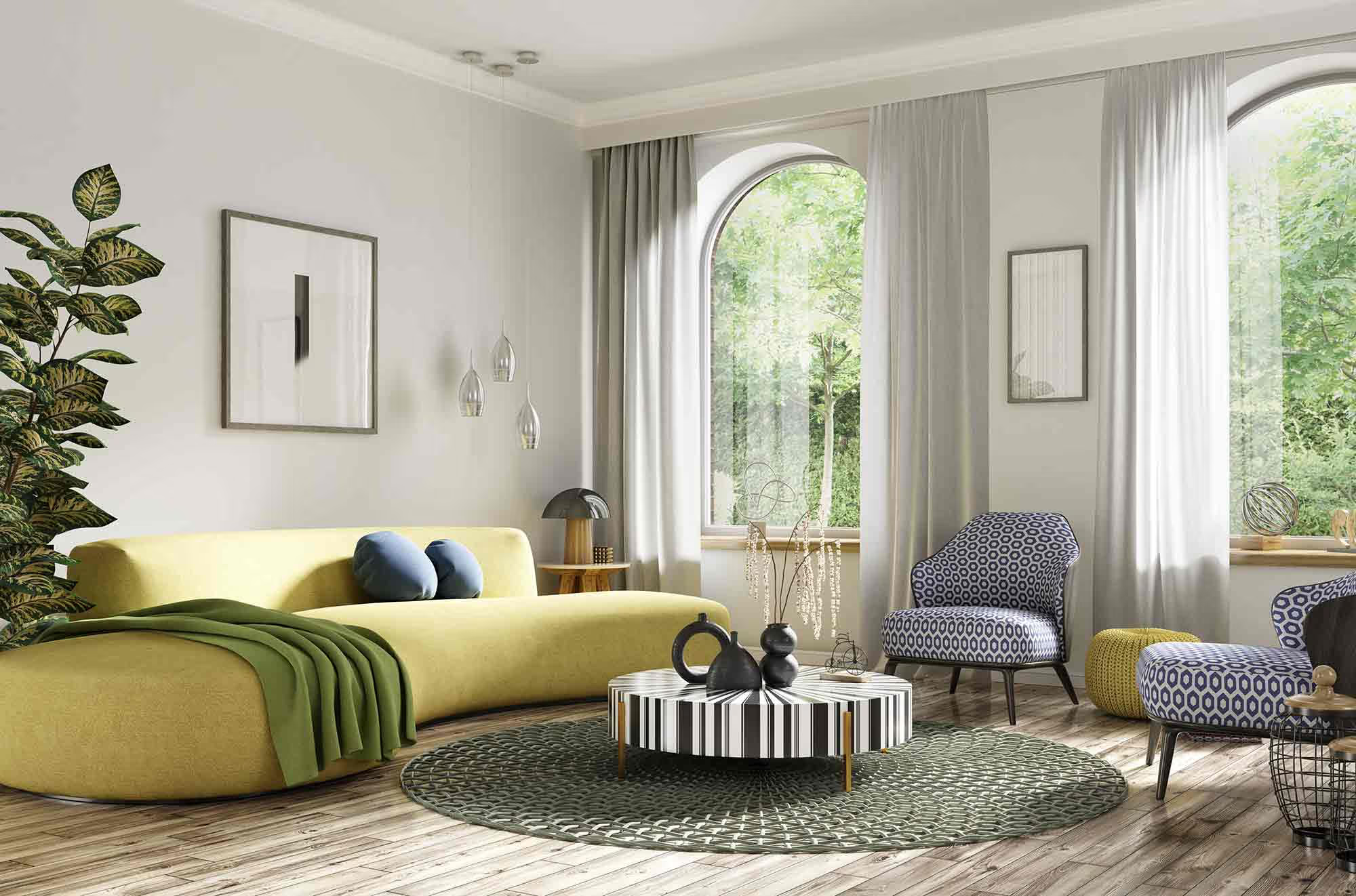
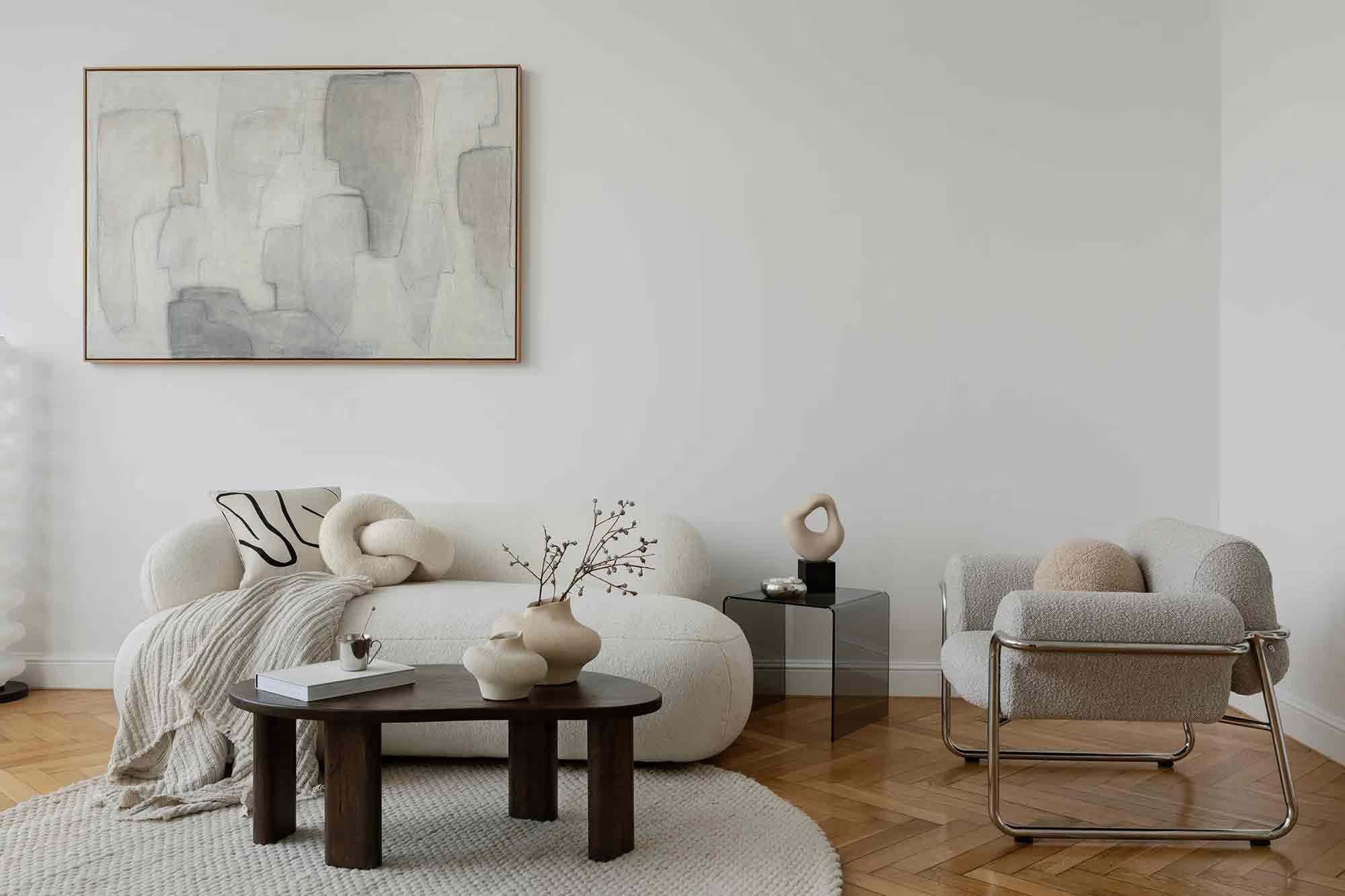
In living rooms, furniture should encourage conversation and comfort. A sofa that blocks a path or a coffee table that’s hard to walk around signals poor usability. Dining areas should have space to enable chairs to pull out easily. The aim is to achieve a sense of proportion and flow that helps buyers picture their daily routines.
Small practical touches signal thoughtful design. A plug socket beside a mirror, a light switch where you would instinctively reach for it, or a towel rail within arm’s reach of the shower all suggest the home was planned for living. These conveniences communicate quality and care; they make a property feel move-in ready.
In contrast, if a viewer has to imagine running an extension cord across the floor to dry their hair, or stepping dripping wet across the bathroom to reach a towel, they may start to mentally add up the potential renovation costs.
Each room in a home has its own set of functional priorities. When staging, these should guide the decisions you make.
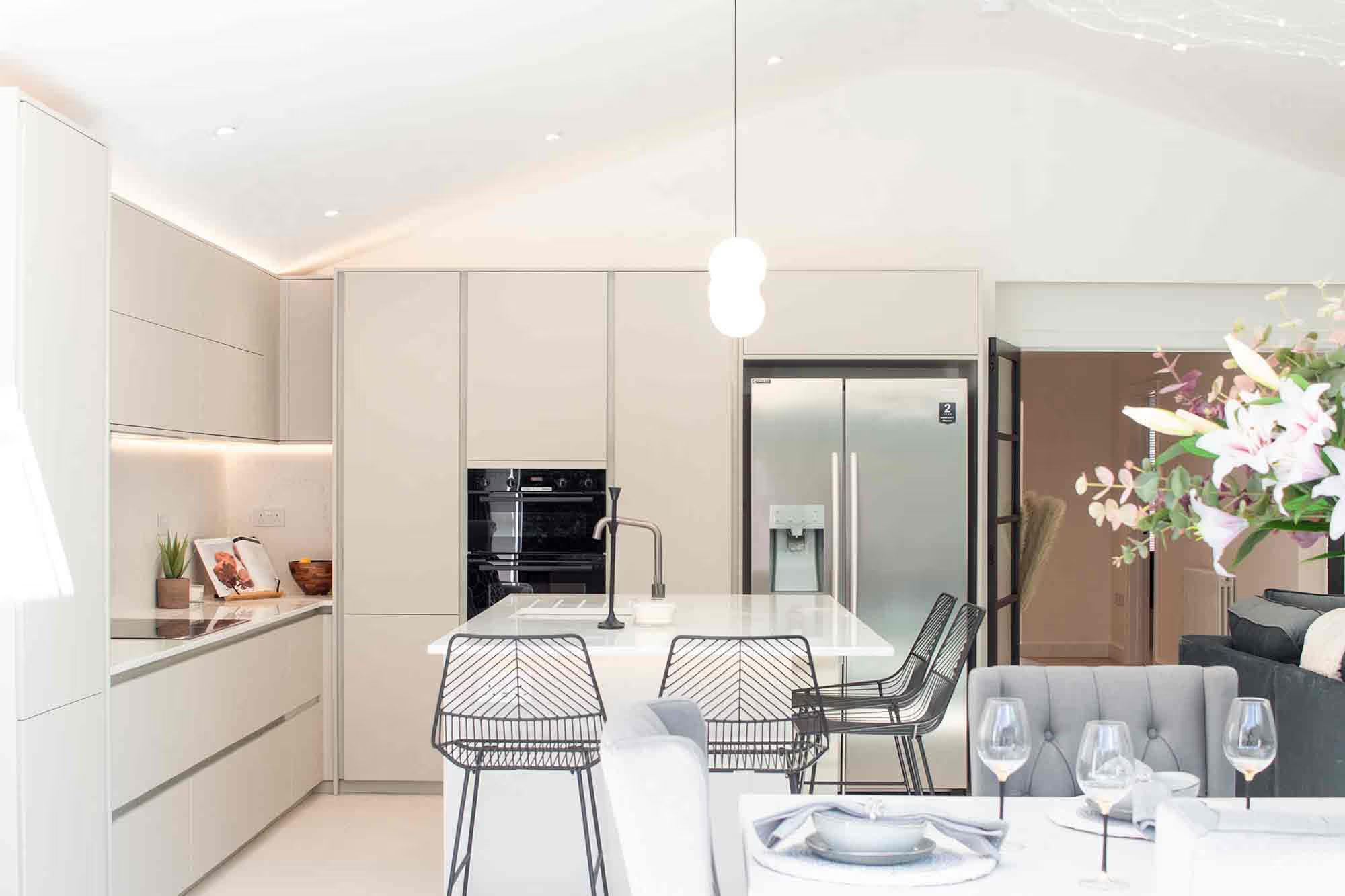
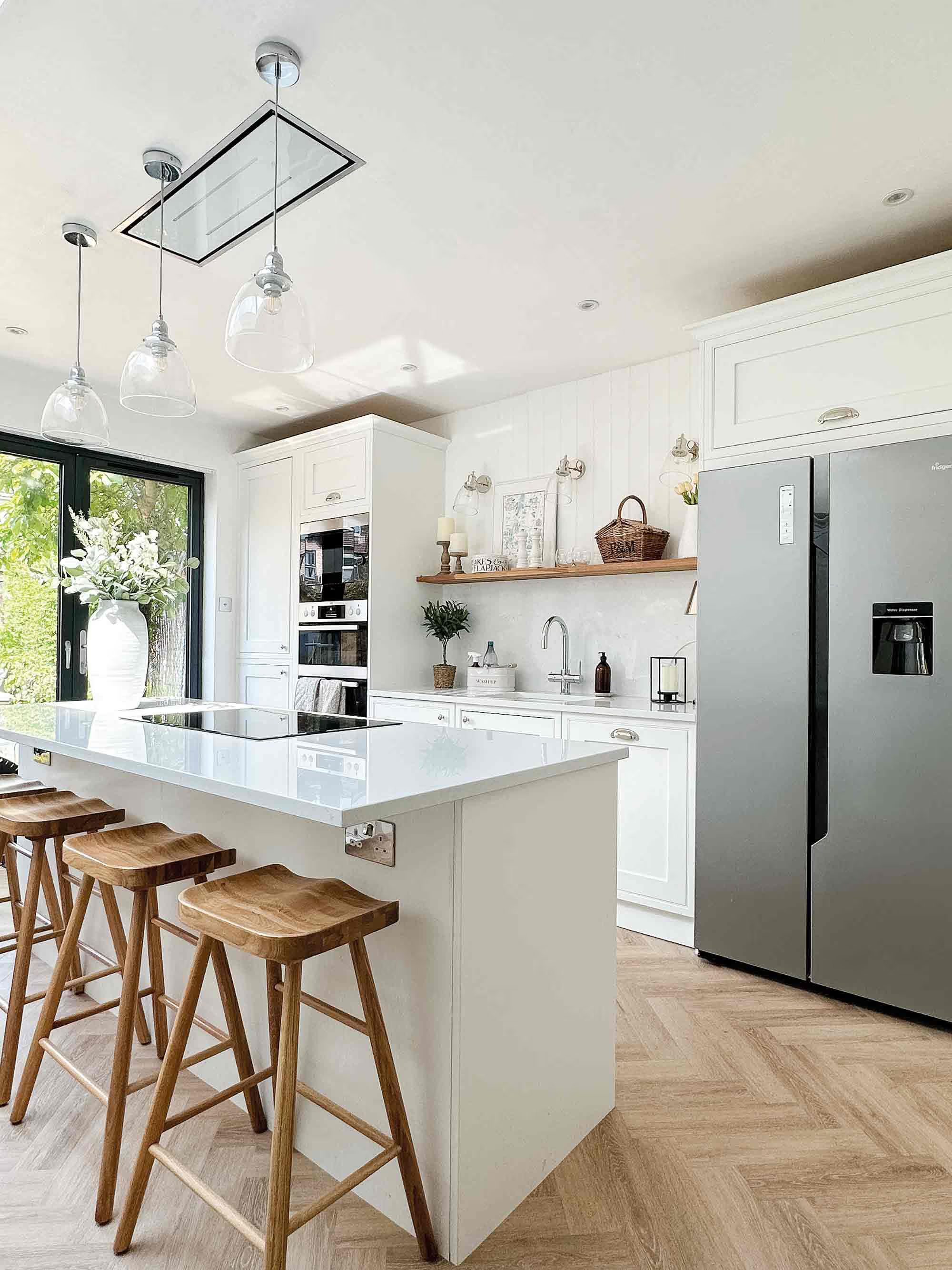
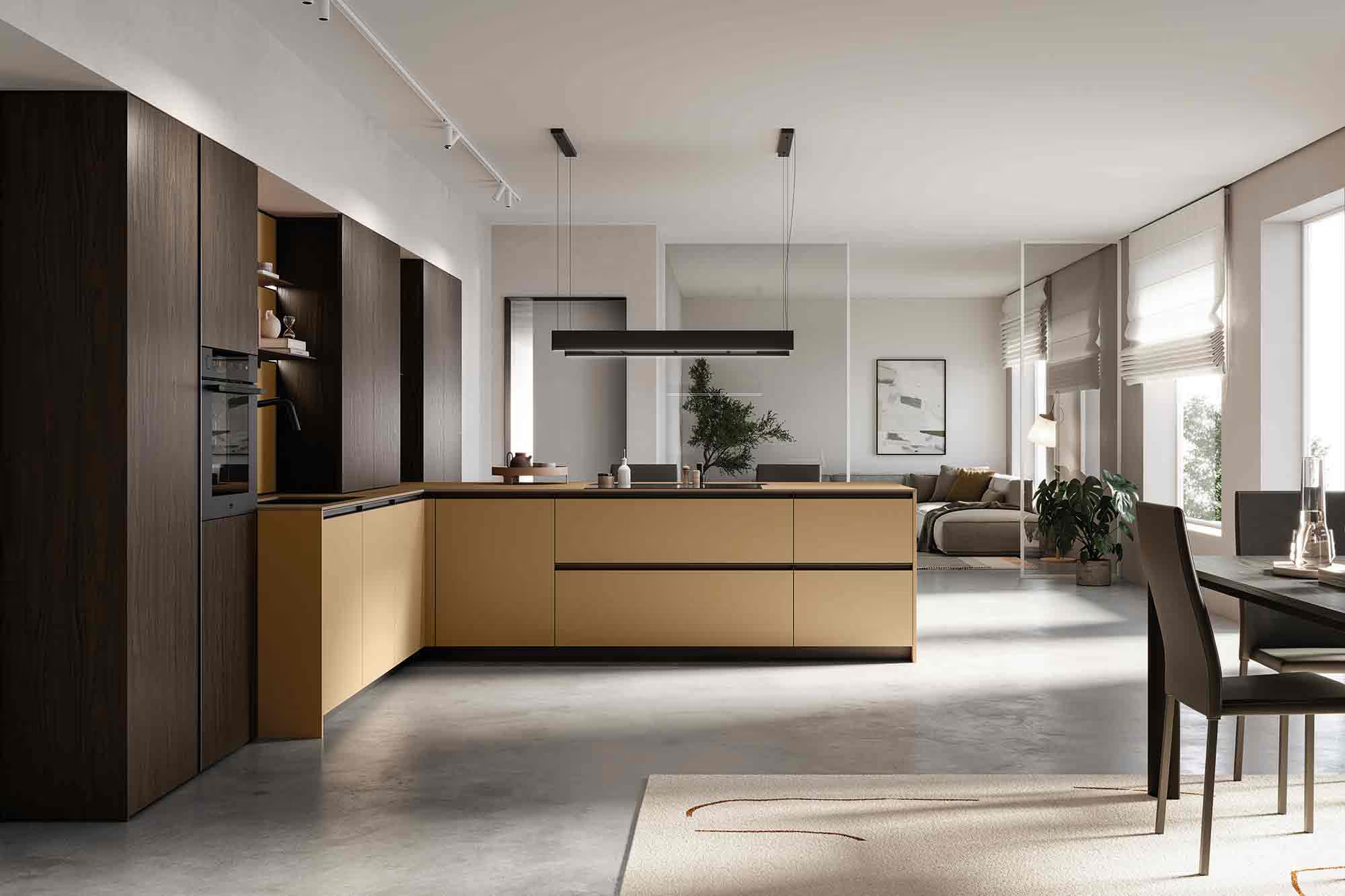
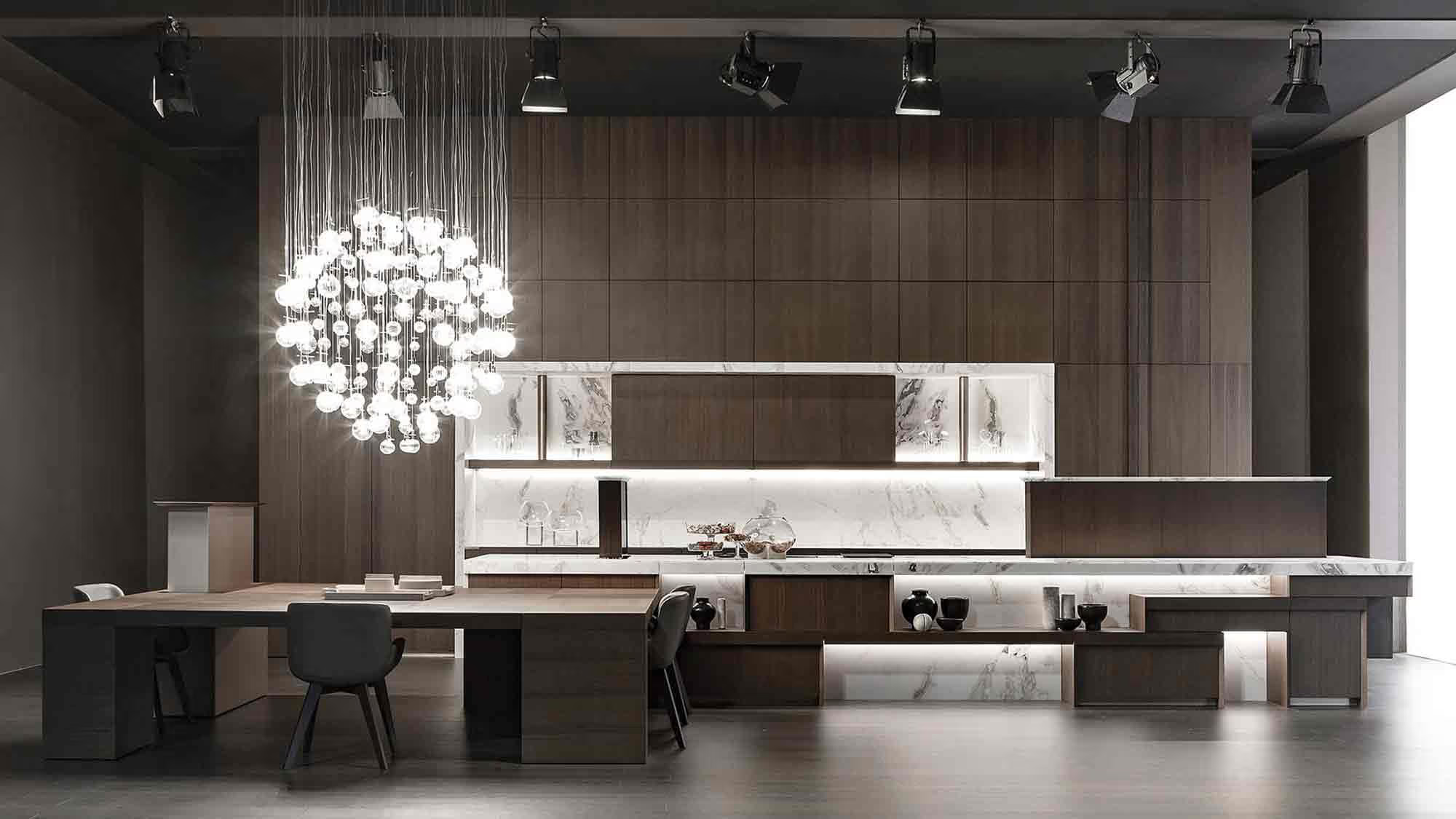
Kitchens: Functionality here is paramount. Ensure there’s clear workspace between appliances, easy access to cupboards, and logical positioning of the sink, cooker, and fridge (the classic “kitchen triangle”). Keep worktops clutter-free, but include subtle hints of real life, a chopping board, a coffee machine near a plug socket, to reinforce usability.
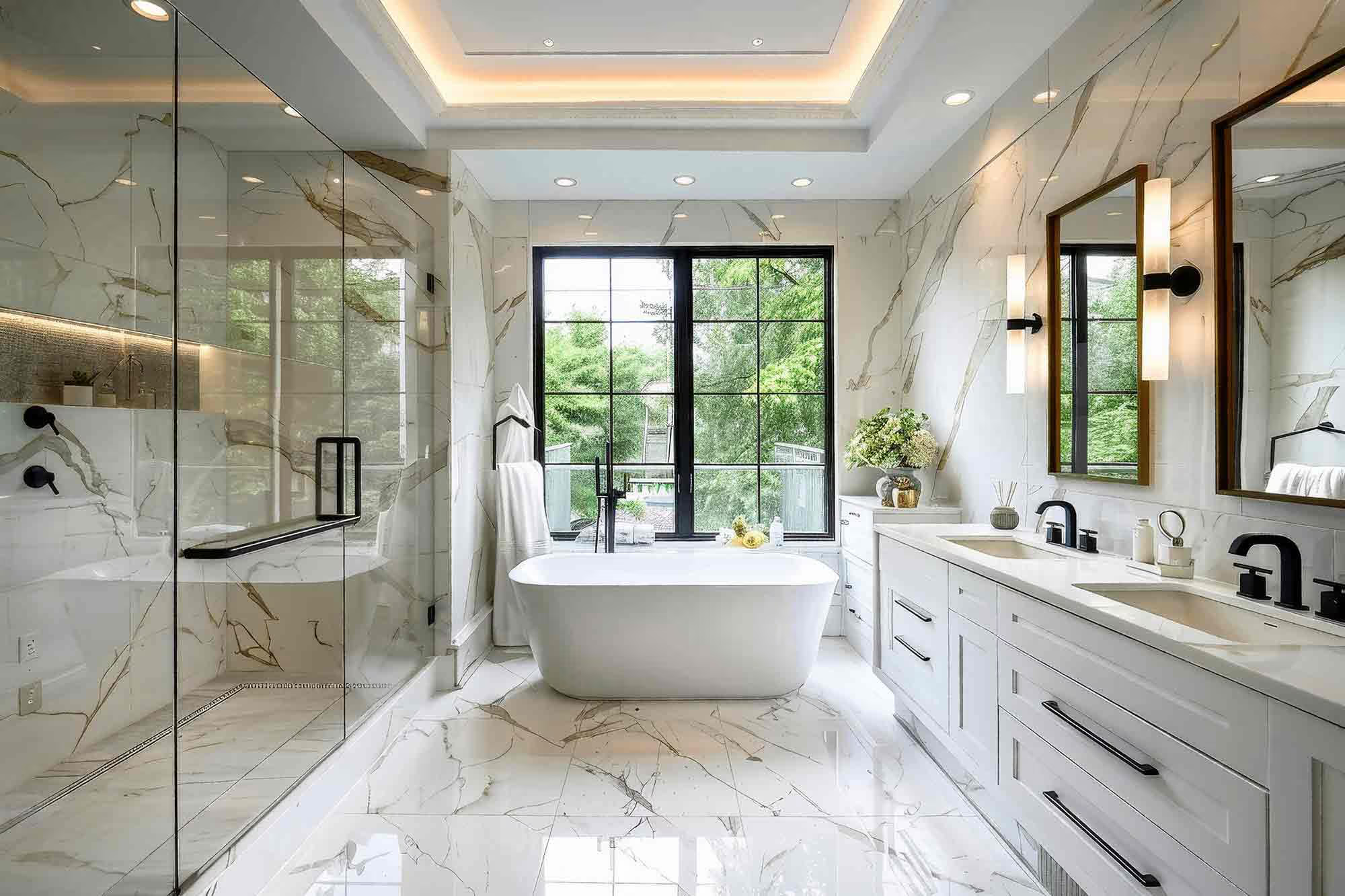
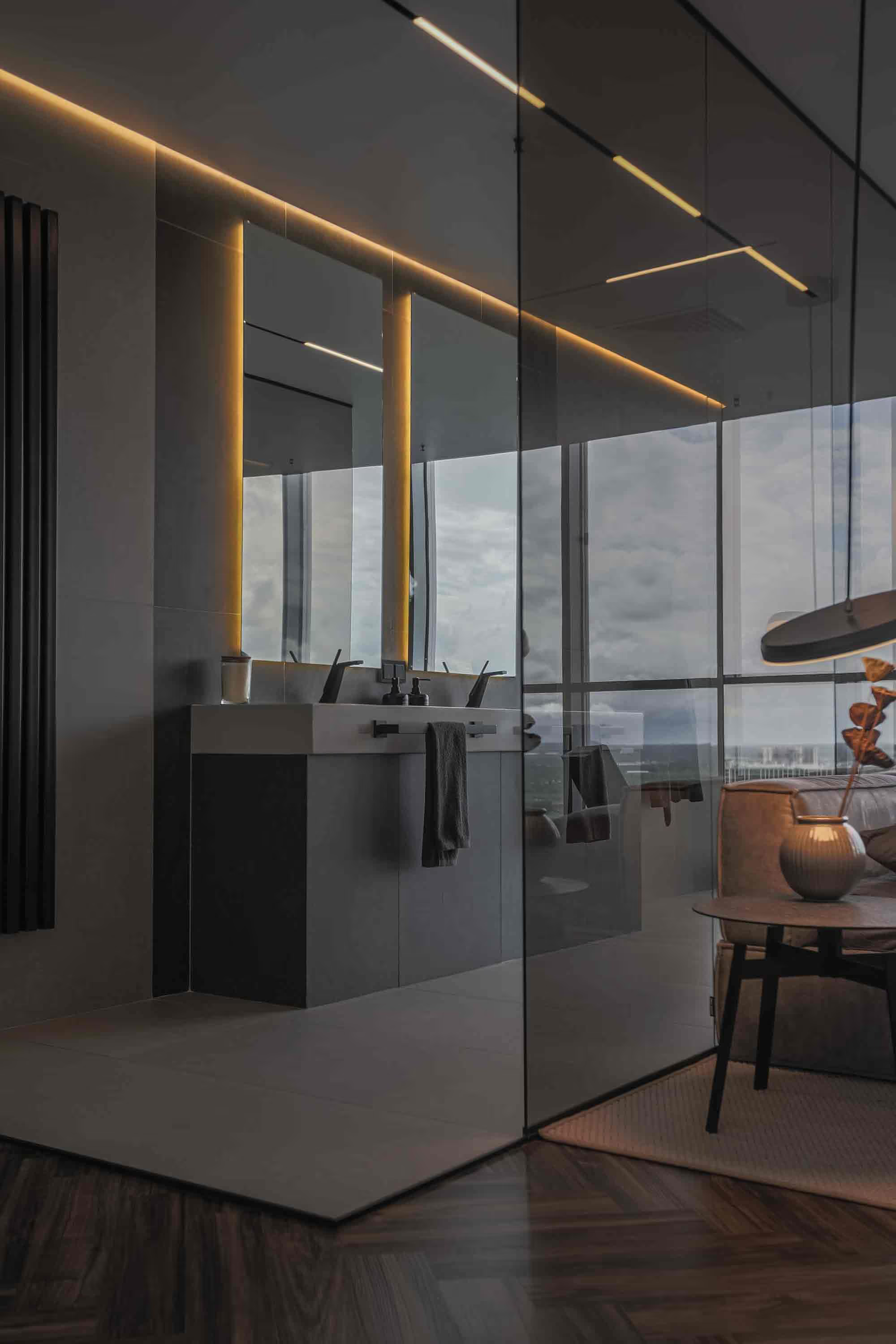
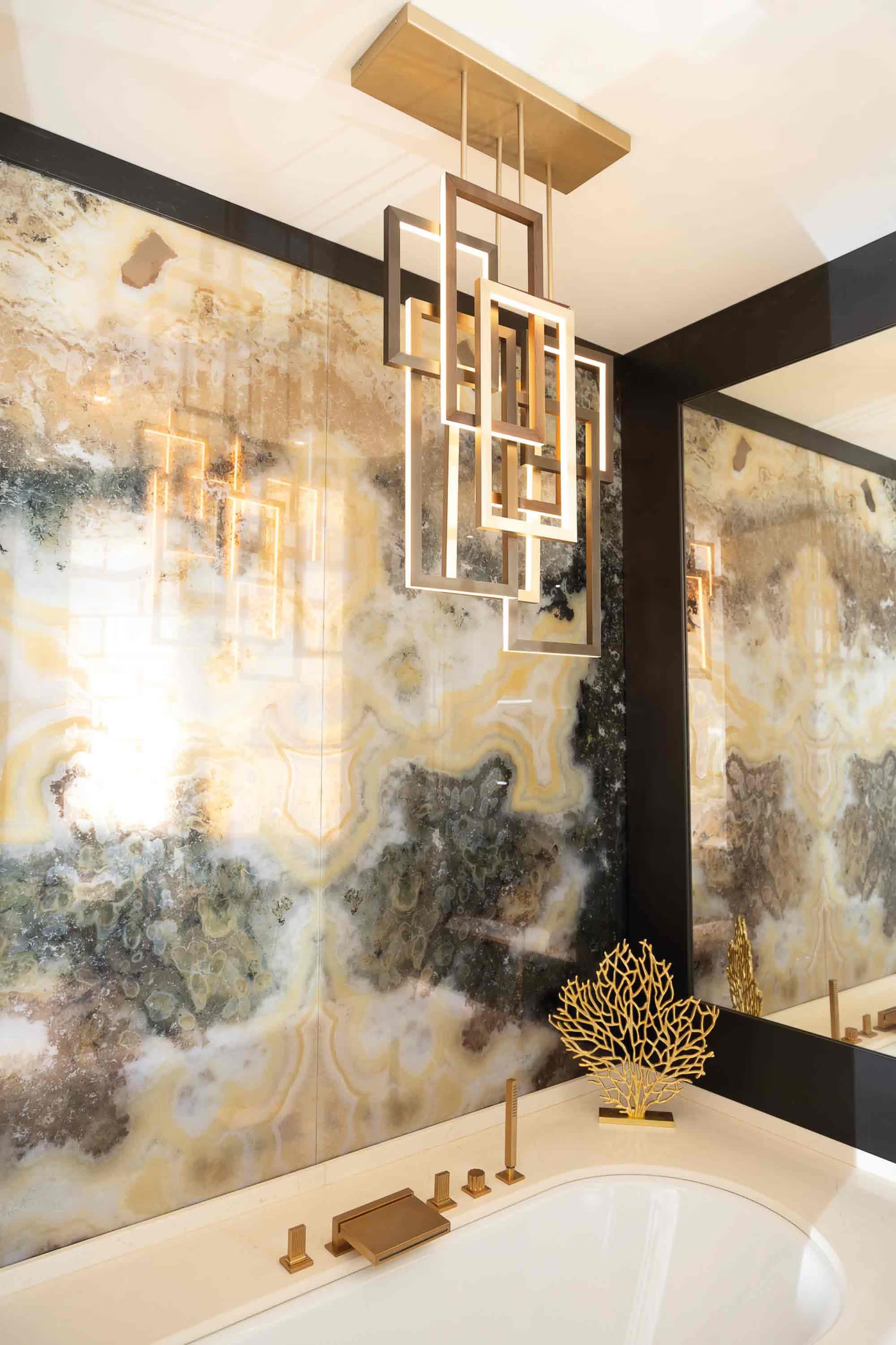
Bathrooms: Think about comfort and reach. Towels should be within arm’s length of the shower or bath, and toiletries should have a designated place. A mirror placed opposite good lighting, ideally near a socket for grooming appliances, conveys both practicality and good design.
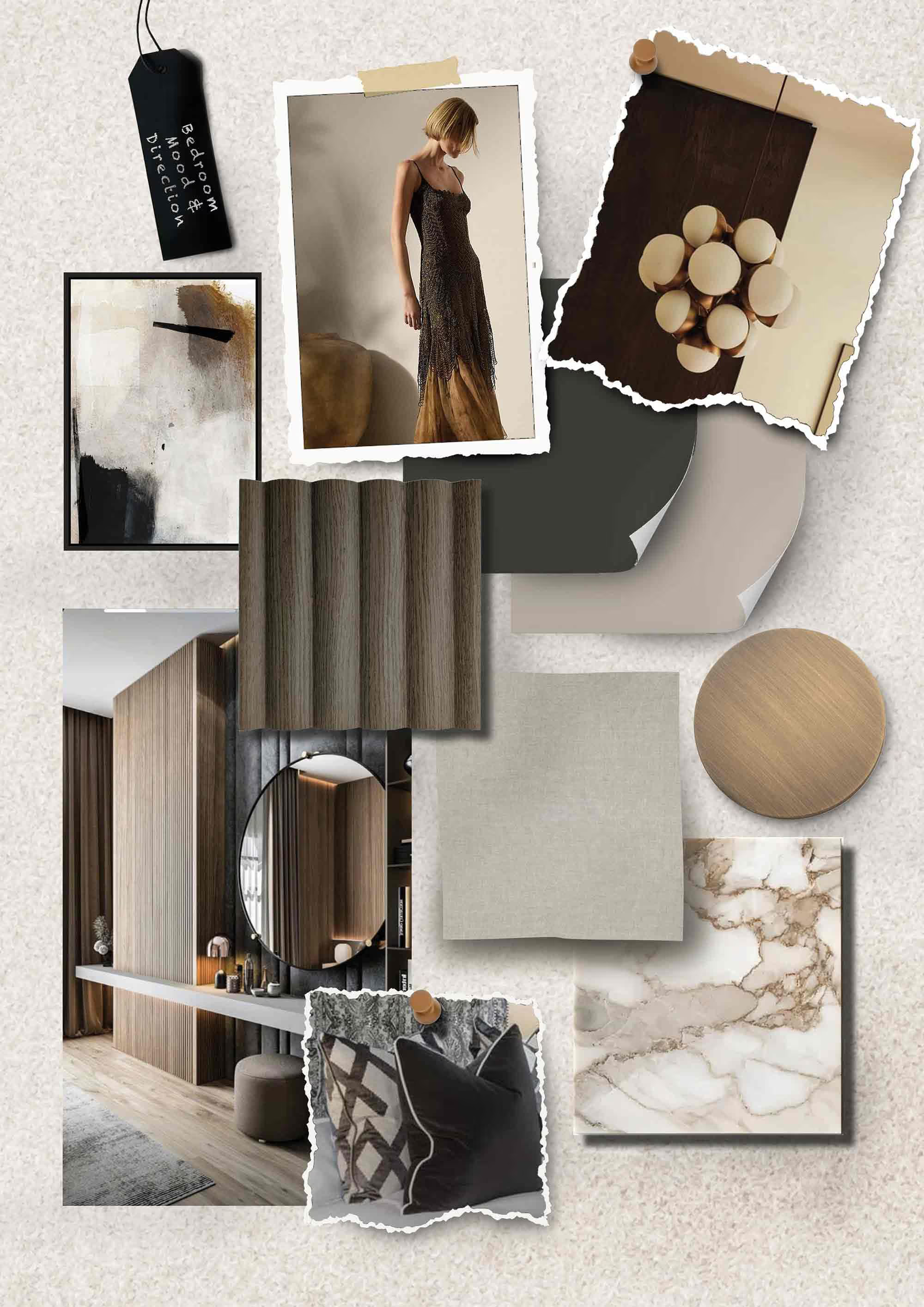
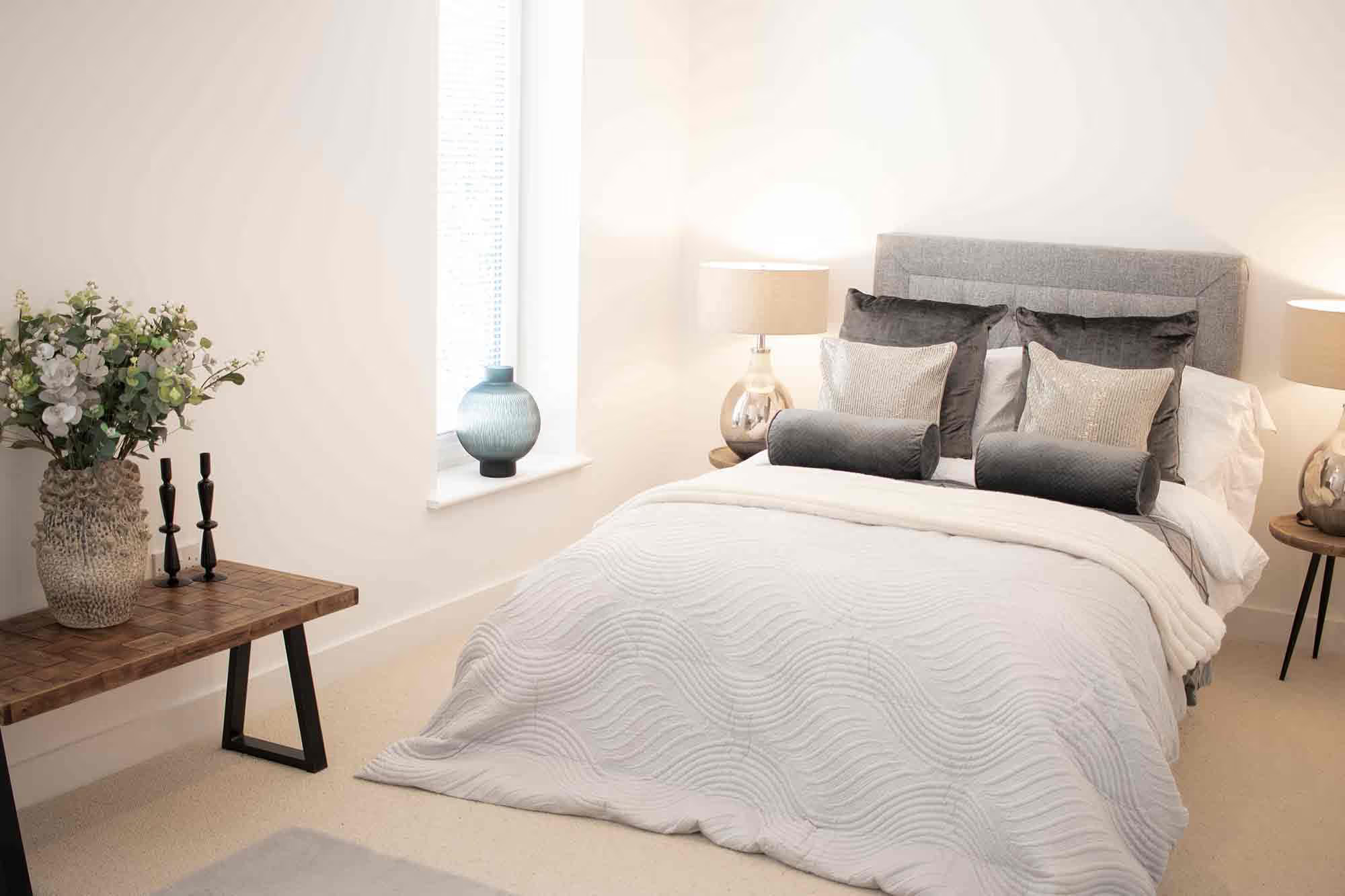
Bedrooms: These spaces should feel restful and functional. Consider where bedside lamps will plug in, where someone might place their phone or book, and how much space is available for wardrobes or drawers. The aim is to show that the room comfortably accommodates daily routines.
Living Areas: Here, flow and comfort take centre stage. Arrange furniture so conversation feels natural, and ensure lighting supports different moods: bright for reading, soft for relaxing. Avoid overcrowding, but don’t make the space feel sterile; a side table beside an armchair shows thoughtfulness.
It’s tempting to stage purely for photography, creating a visually stunning composition that will capture attention online. But a home that photographs beautifully can sometimes disappoint in person if its functionality has been neglected. A well-staged home must be attractive in pictures and convincing to live in. Consider how people walk, reach, sit and store items within the space.
Ultimately, the best staging is invisible. Buyers shouldn’t notice the details because they’re so naturally integrated; they should simply feel that the home “works.” Every decision, from where a lamp is plugged in to how a towel hangs, contributes to that feeling.
Staging a home for sale is both an art and a science. While style and presentation create the first impression, function and practicality sustain it. When a potential buyer senses that a home has been designed with their comfort in mind, they’re far more likely to fall in love with it, and make it their own.
Speak to your audience directly within articles of their interest both digitaly and through our printed issues.
Speak with our friendly team today and discover how you can stand in front of our readers.

Speak to your audience directly within articles of their interest both digitaly and through our printed issues.
Never miss an edition. Sign up for our digital subscription and enjoy Swealthy content wherever you are. Simply leave your details and join our community – oh and it’s completely free of charge!
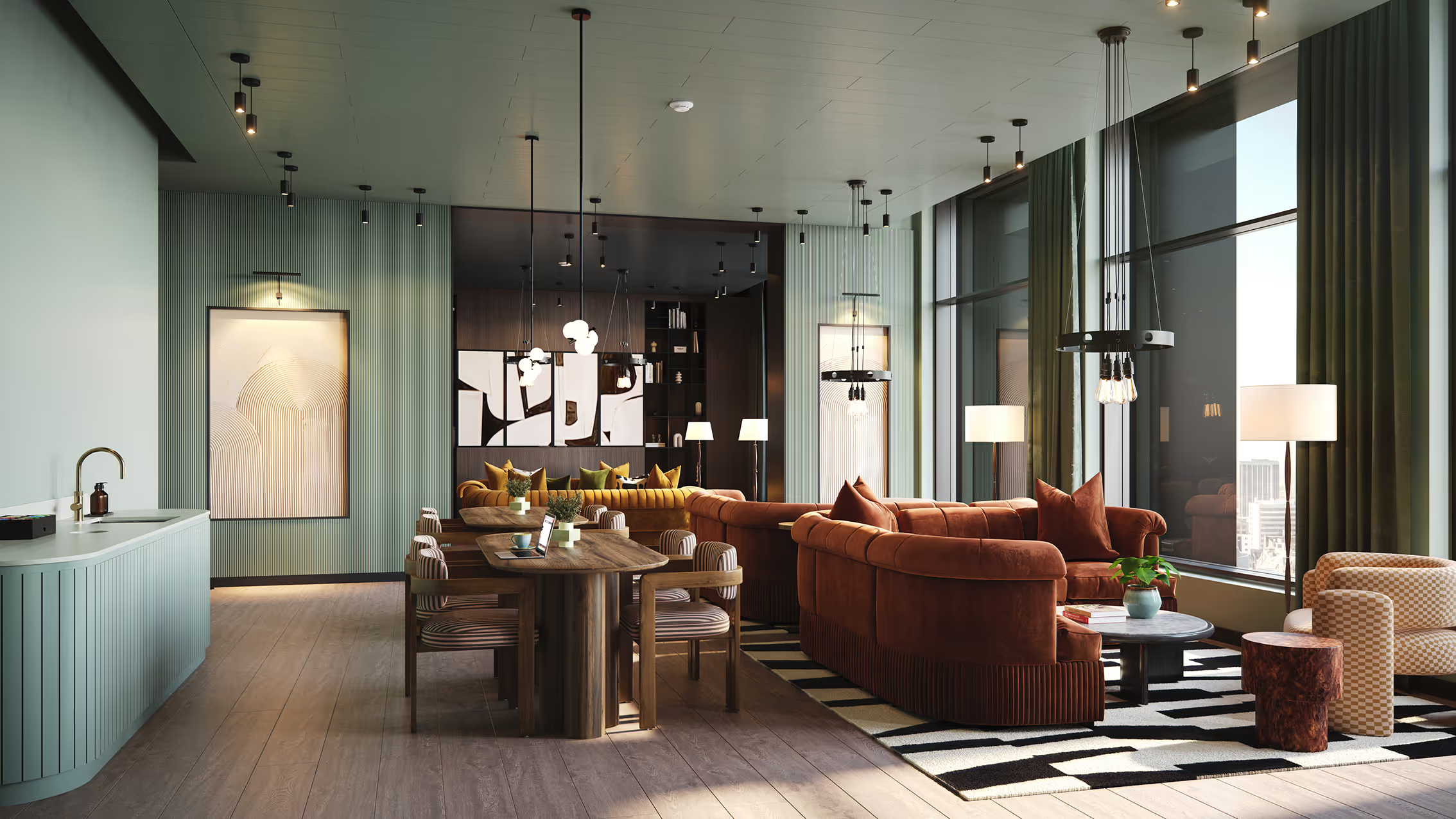
An exclusive preview of curated interiors and wellbeing amenities as regenerated Ludgate Hill site prepares to open

New developments. Prime locations. Expert management.
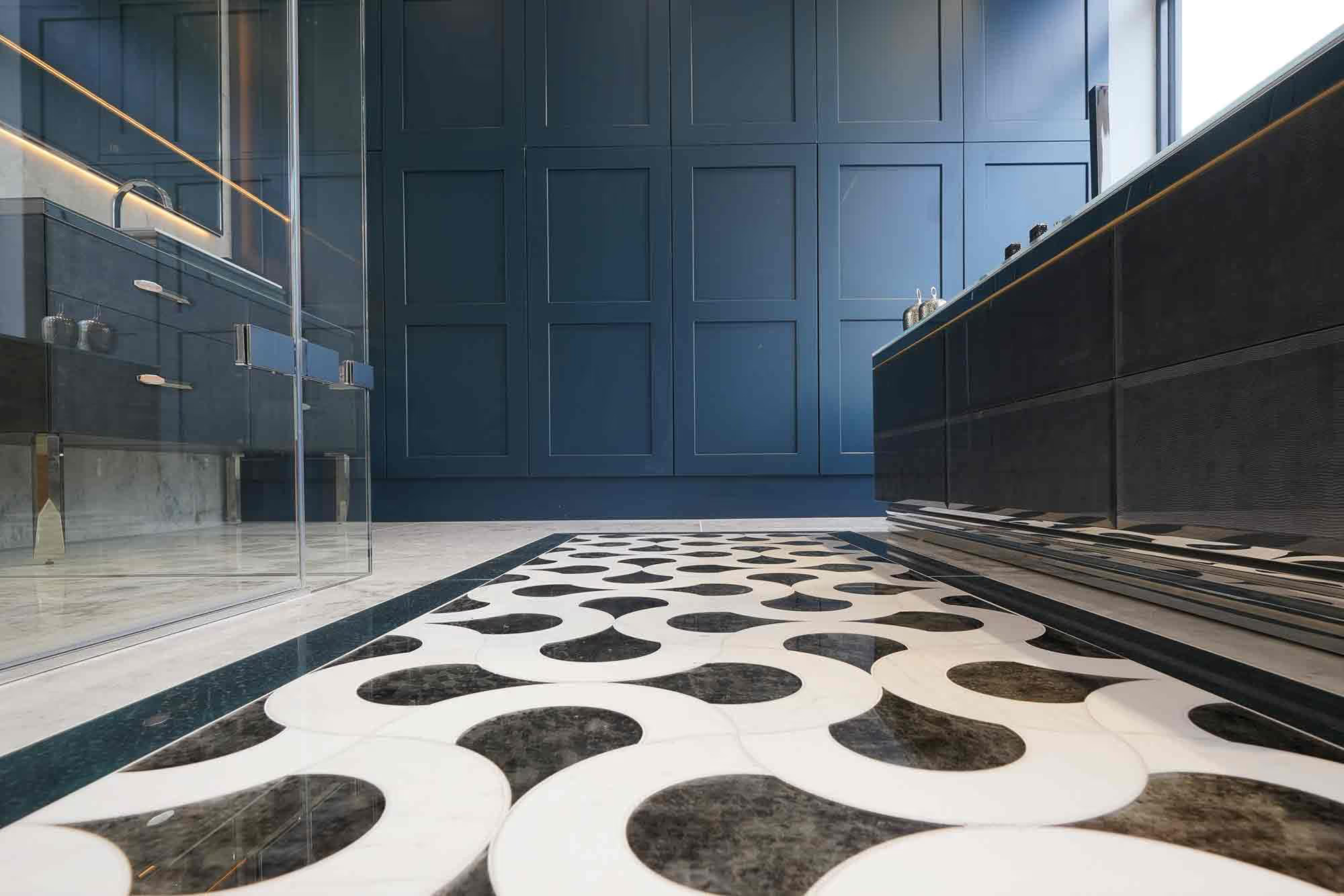
Naz is a multi-award-winning designer and owner of Veritas Interiors. He will be sharing his interior design tips in each issue.
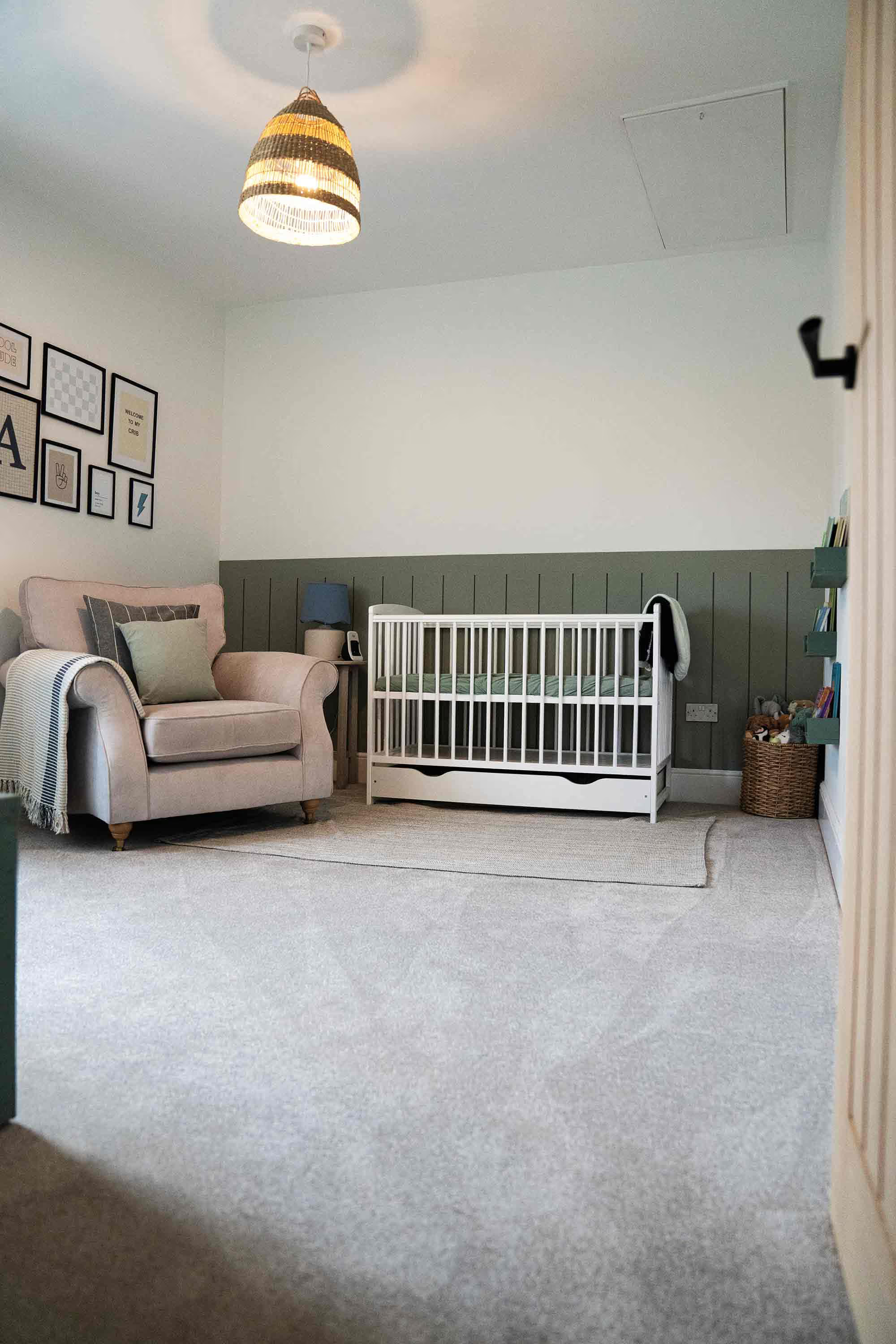
WHEN LIAM AND NICI LINLEY BOUGHT THEIR TERRACED HOUSE 11 YEARS AGO, THEY ALREADY KNEW THERE WOULD BE THINGS THEY WANTED TO CHANGE.

We were keen to get inside and see why it had retained its Michelin Bib Gourmand for a fourth year.
New to Swealthy Magazine? Welcome. Discover where to find our latest editions and catch up on everything you’ve been missing here:
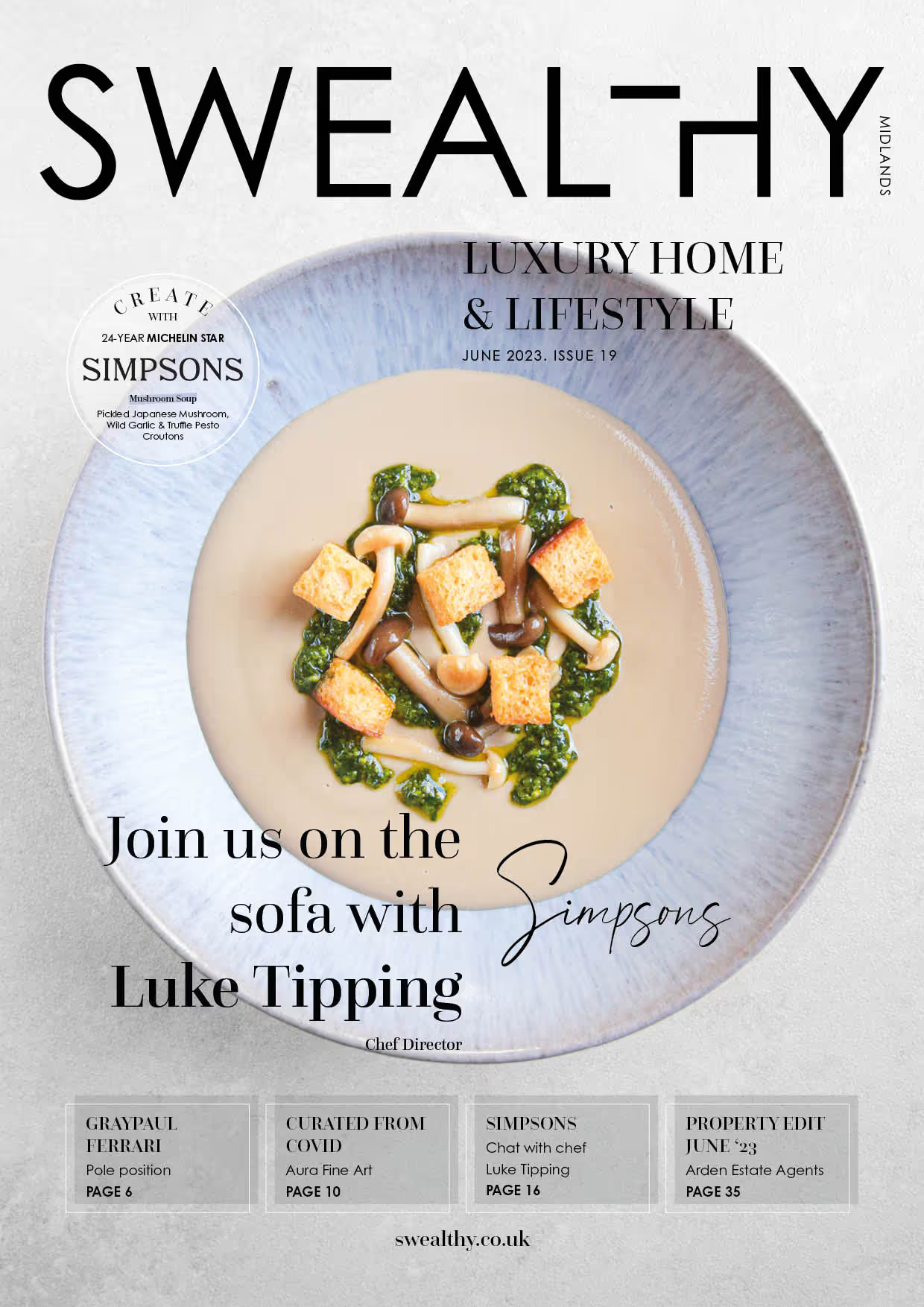
Our beautifully crafted print magazine deserves pride of place on your coffee table. Sign up to receive every bi-monthly edition, delivered directly to your door - before anyone else.
Subscribe for a year and save 25%

Copyright © Swealthy LTD
All rights reserved
























.avif)