Speak with our friendly team today and discover how you can stand in front of our readers and make this space your own.

LONDON DESIGN FESTIVAL IS BACK FOR ITS 22ND YEAR, PROVING THAT THE BRITISH CAPITAL REALLY IS THE HOME OF DESIGN AND CREATIVITY. AS THE HUB OF DIVERSE DESIGN, IT IS AN EXCITING EVENT WITH UNEXPECTED INSTALLATIONS AROUND EVERY CORNER.
LONDON DESIGN FESTIVAL IS BACK FOR ITS 22ND YEAR, PROVING THAT THE BRITISH CAPITAL REALLY IS THE HOME OF DESIGN AND CREATIVITY. AS THE HUB OF DIVERSE DESIGN, IT IS AN EXCITING EVENT WITH UNEXPECTED INSTALLATIONS AROUND EVERY CORNER.
LONDON DESIGN FESTIVAL IS BACK FOR ITS 22ND YEAR, PROVING THAT THE BRITISH CAPITAL REALLY IS THE HOME OF DESIGN AND CREATIVITY. AS THE HUB OF DIVERSE DESIGN, IT IS AN EXCITING EVENT WITH UNEXPECTED INSTALLATIONS AROUND EVERY CORNER.
This nine-day event is an opportunity for those in creative industries to showcase their work, find inspiration and network with like-minded individuals. It is set in various locations around London, with talks, exhibitions, workshops and installations attracting people from all over the world. For an idea of the true scale of the festival, the 2019 event boasted a record-breaking 600,000 attendees from 75 countries. This year is likely to be even more popular, making it the best platform for up-and-coming designers to launch their career and open their studios up to the world.
Some of the stand-out showcases from last year included pieces from artists like Henry Moore, Dylan Glyn and Rio Kobayashi. Alongside the fine art installations and unique sculptures, visitors were surprised to see a botanical display from Lego, showing that this festival is for creatives of all types.
The festival likes to highlight topical issues through design. The last few years have seen more exhibitors tackling subjects like sustainability, AI and inclusivity, which are likely to be key themes this year too. But we are also seeing the idea of play becoming a strong theme, with its ability to strengthen bonds, improve wellbeing and enhance creativity.
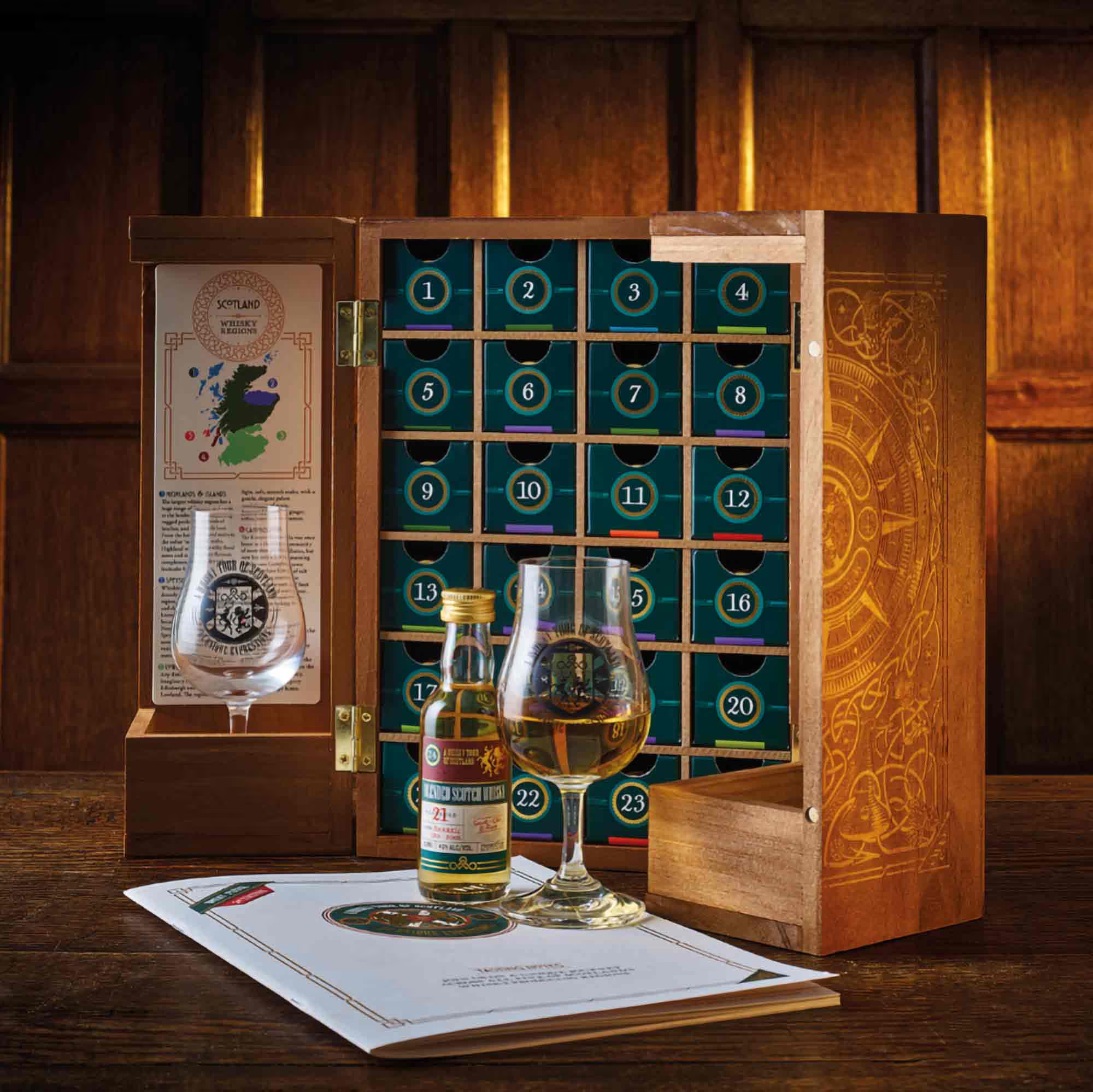
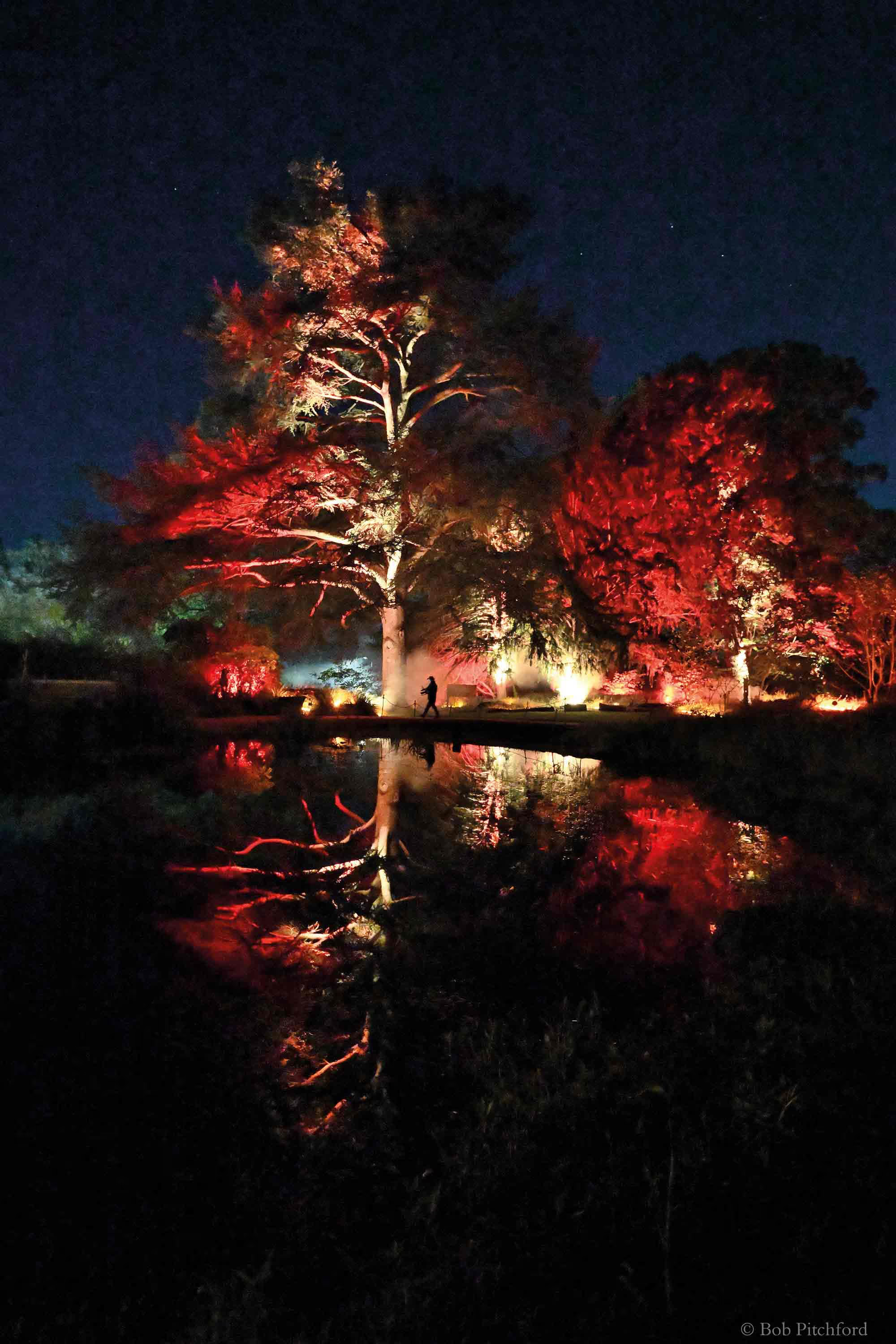
Some of the highlights you can look forward to this year include an exciting innovation from Johnnie Walker, the Vert installation at the Parade Ground of the Chelsea College of Art and the suspended installation Duo at the Royal Naval College’s Painted Hall.
The festival is the brainchild of Sir John Sorrell CBE and Ben Evans CBE, who wanted to bring a focus to the emerging design industry in the UK. The first event was held in 2003 and has been a huge boost to the economy. This first design festival became the template for other festivals around the world as other countries tried to emulate its success. But, as we know, nobody could do this quite like London!
The Mayor of London is a huge supporter of the event, which has helped the festival secure the necessary funding to make it bigger and better than ever before. Since he publicly declared his support in 2019, the Mayor has boosted festival sales by £66 million – this really is the event for struggling artists to finally make their mark.
But it’s not just about the extra income that the event creates. The London Design Festival gives creatives the chance to find new inspiration and learn new skills. They can learn from each other to bring a more holistic approach to their work, spreading their artistic knowledge to help create a richer design community.
This ethos and support means the organisers could have their pick of large conference venues in London to use. But it is never confined in one space, spilling out across the capital into artists’ own studios and unique spaces, divided into 11 design districts. Each district offers something slightly different, with its own personality and are located close to each other, so you can easily stumble out of one and into another. The districts are: Bankside Design District, Battersea Design District, Brompton Design District, Chelsea Design District, Dalston to Stokey Design District, Fitzrovia Design District, Greenwich Peninsula Design District, Mayfair Design District, Park Royal Design District, Shoreditch Design Triangle and William Morris Design Line.
Visitors to the city may come across installations as they dash for the tube or stroll through one of the public parks. It makes a trip to London all the more exciting – who knows what you will see?
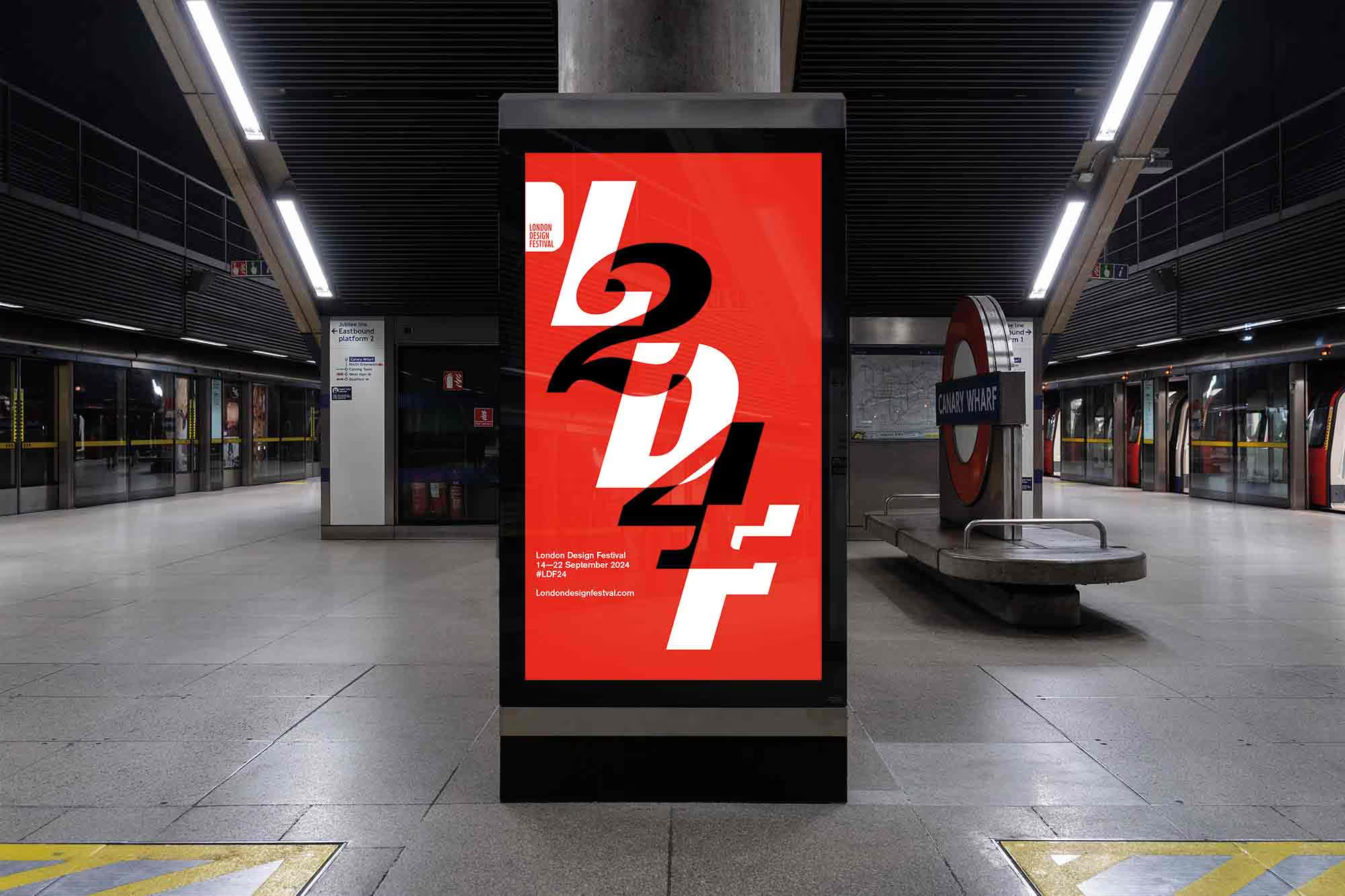
The London Design Festival is running from the 14th to the 22nd September 2024. Most of the events are free to attend, so you don’t have to book your place. It is worth noting, however, that some shows and exhibitions are likely to get crowded quite quickly, so you want to arrive as early as possible for the best experience. Find out more about the event at www.londondesignfestival.com
Speak to your audience directly within articles of their interest both digitaly and through our printed issues.
Speak with our friendly team today and discover how you can stand in front of our readers.

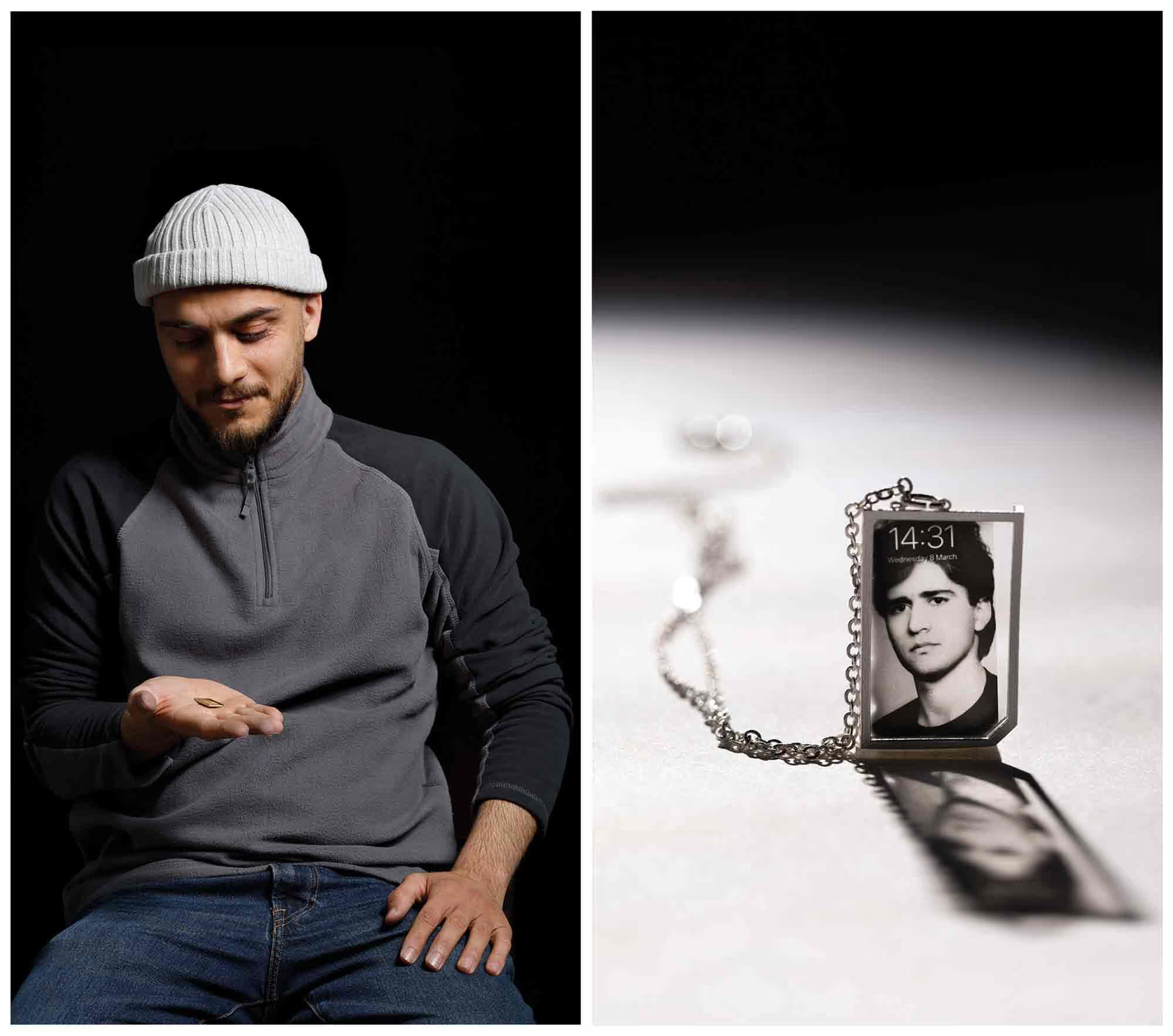
V&A Origins_Liang-jung Chen
12 – 17 SEPTEMBER 2024
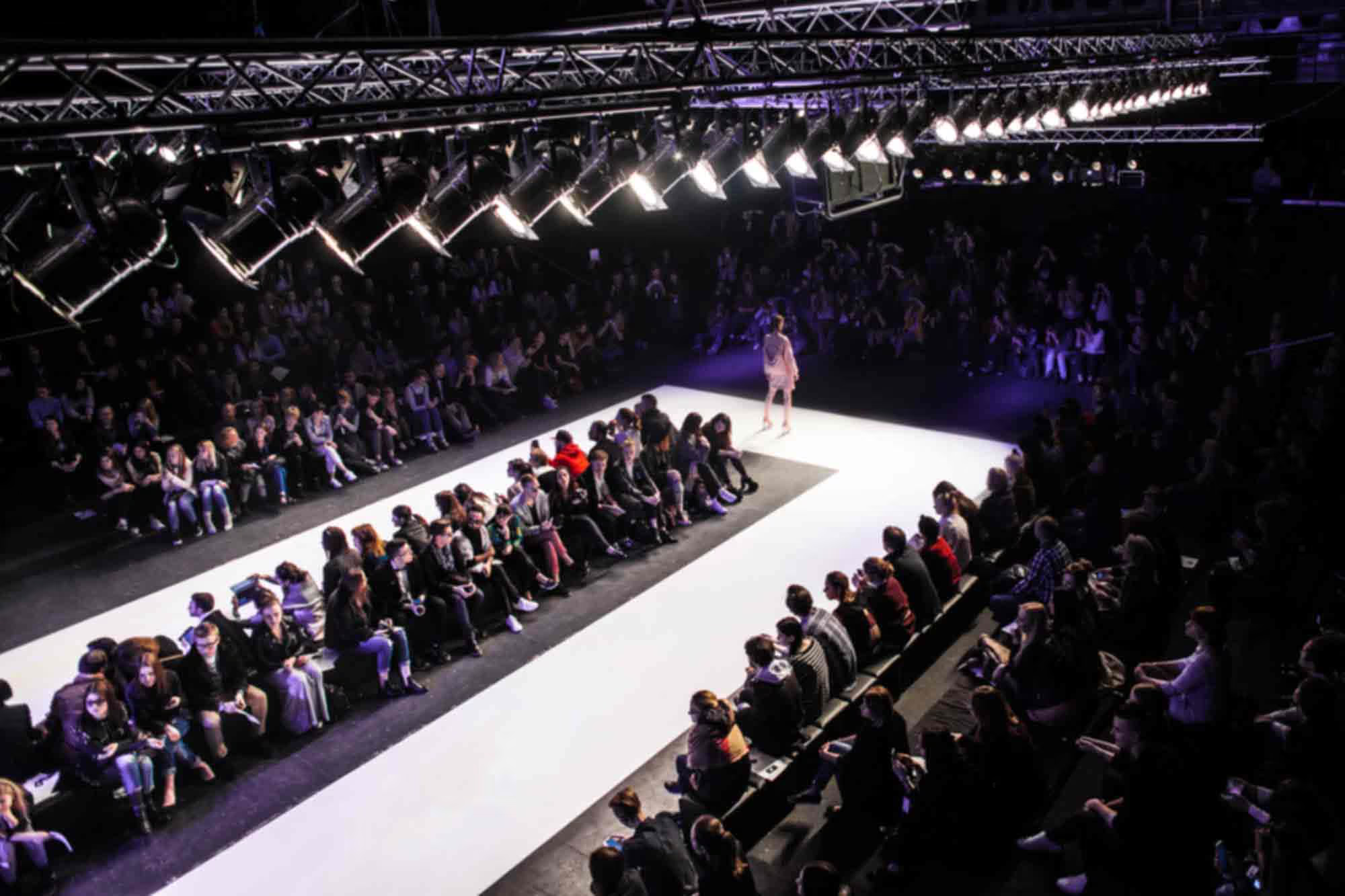
Why we still love London Fashion Week
After 40 years of our favourite fashion event, we love LFW more than ever. With some critics questioning if the biannual showcase is still relevant, we look at the history behind our favourite calendar entry and celebrate all the reasons why it is still important to the industry.
The story of the famous Fashion Weeks begins with a man called Charles Frederick Worth, also known to many as the founder of haute couture and modelling. Based in Paris in 1850, he wanted to increase his customer base and had the original idea of presenting one collection at a time to his audience. By doing this bi-annually, he had two opportunities a year to display his work to a larger potential customer base all at once.
This was unique in the world of fashion at the time. The first fashion show wasn’t recorded in New York until 1903, so Worth was years ahead of his time. The New York show was held at the Ehrich Brothers store and was so popular that suddenly every designer wanted a show of their own. By 1910, fashion shows were regular events in department stores across America.
At that time, America was still heavily influenced by Parisian fashion, but when the Second World War began, this fashion avenue was closed off to the rest of the world.
The second hero of our story is a lady called Eleanor Lambert. She was the founder of the Met Ball and began the International Best Dressed List. And she took it upon herself to establish the American fashion scene independently of Paris.
The first New York Fashion Week was in 1943 and was created to showcase the brilliance of American designers. It was then called New York Press Week and was set up for press to attend only – fashion buyers had to make appointments to view the collections.
In 1958, Milan joined the party with its first Fashion Week held by the National Chamber for Italian Fashion. There are reports that there may have been earlier events held in Florence too.
And then Paris had its first official Fashion Week in 1973, supported by Lambert. This was a ‘competition’ between French and American designers, giving the event an exciting edge. Christian Dior, Yves Saint Laurent and Pierre Cardin flew the flag for France, while America was represented by Oscar de la Renta, Anne Klein and Stephen Burrows.
In 1984, London completed the ‘big four’ with its first Fashion Week. It boasted the debut of John Galiano and other design giants like Vivienne Westwood. Despite being the last to join in, London has had some forward-thinking ideas, being the first to live-stream a Fashion Week event in 2010. It now attracts more guests than Milan and Paris and is a key event on the fashion calendar.
With fashion becoming ever faster in our digital society, some have questioned the relevance of Fashion Week today. However, these events are still considered to be huge marketing, influencing and networking opportunities. They help to forecast trends, tell a story through the medium of clothing and transport us to a fantasy world. Buyers rely hugely on the events to decide what will be the biggest sellers in their stores. Without Fashion Week, there would be very little strategic planning on our high street and online stores and the industry just wouldn’t be what it is today.
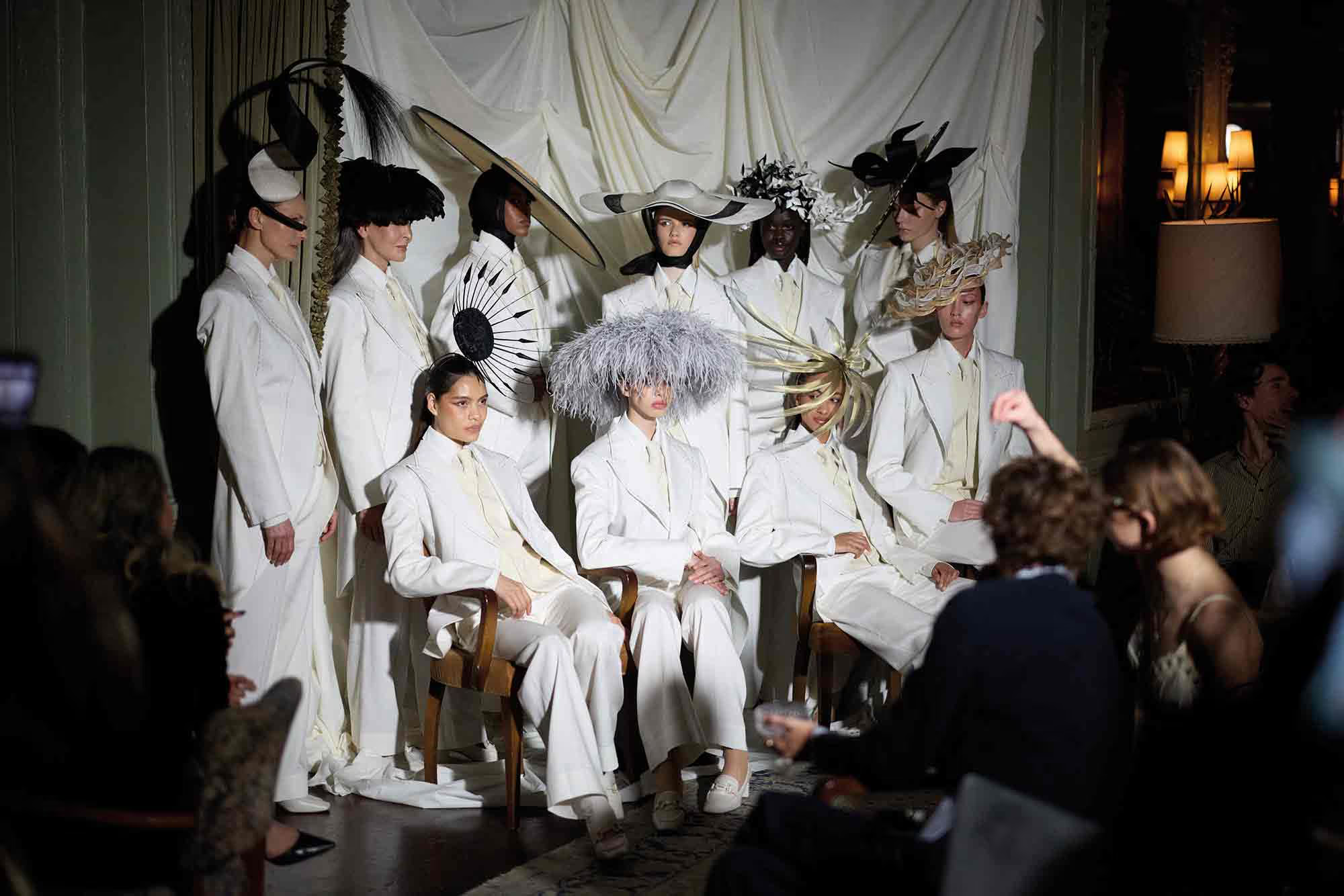
This year marks 40 years since the very first London Fashion Week, organised by Lynne Franks, and of course, the February event was not going to pass without some kind of celebration of this milestone. It was a colossal event, with 67 designers, 46 catwalks and 36 events in total and an amazing opportunity to see creations by established designers like Burberry and Simone Rocha, as well as up-and-coming names like Olly Shinder and Camille Liu. Trust us, these are names you will be seeing more of soon!
It was also a great excuse to look back at some of the most iconic moments from the event over the years. Who can forget Prince’s surprise performance at the start of a Matthew Williamson show in 2008 and the Alexander McQueen dress that was spray painted by robots on the catwalk in 1999? Naomi Campbell’s fall in 1993 has gone down in history – no one else could have turned such a potentially embarrassing moment into one of iconic brilliance as well as she did. And did you ever think you would see a coffee table become a dress, like the one Hussein Chalayan displayed in 2000? You never know what to expect at LFW!
The next London Fashion Week is scheduled for 12th – 17th September 2024 and looks likely to be as fantastic as ever. Most of the action happens at 180 The Strand, but some designers prefer to hold their shows at different locations around the city, making for an eclectic event.
LFW SS25 will showcase designs for the upcoming Spring/Summer season and, as usual, will be an invite-only event. But you can still catch the action from home, as most designer showcases will be streamed at www.londonfashionweek.co.uk and many brands put them on their own social media accounts too.
At the time of writing, the schedule had not yet been finalised or any exhibitor details confirmed. But if AW24 is anything to go by, it is sure to be an event to remember.
LDF24 Tube poster
Speak to your audience directly within articles of their interest both digitaly and through our printed issues.
V&A_SIMProject_Liz Hingley_2
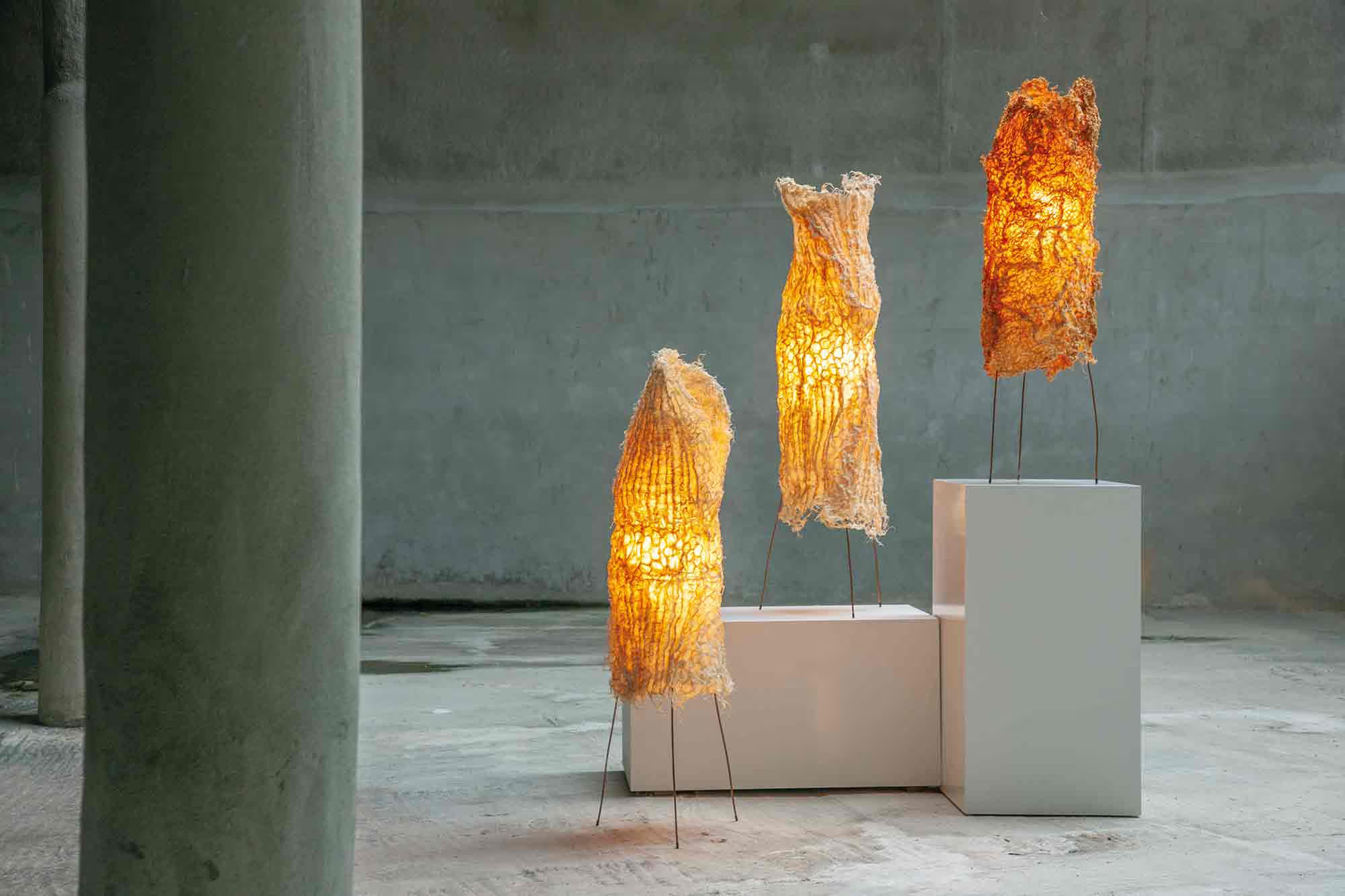
Column Lamp Collection by Rootfull - Zena Holloway from Material Matters 2024_materialmatters.design
V&A Origins_Liang-jung Chen
LDF24 Tube poster
Never miss an edition. Sign up for our digital subscription and enjoy Swealthy content wherever you are. Simply leave your details and join our community – oh and it’s completely free of charge!
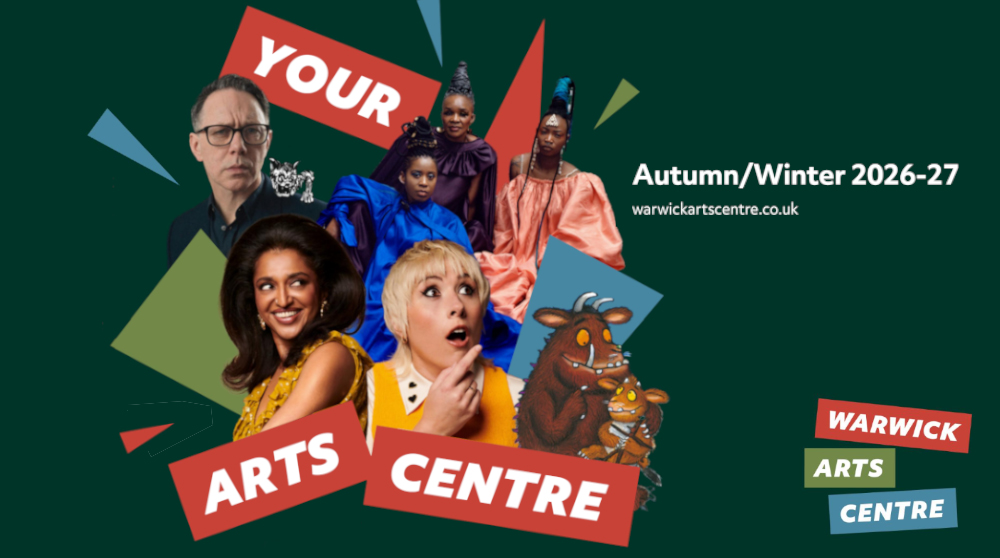
There’s monstrous tales, award-winning theatre, electrifying dance and some of the brightest visual art stars set for Warwick Arts Centre’s Autumn/Winter 2026-2027 Season.
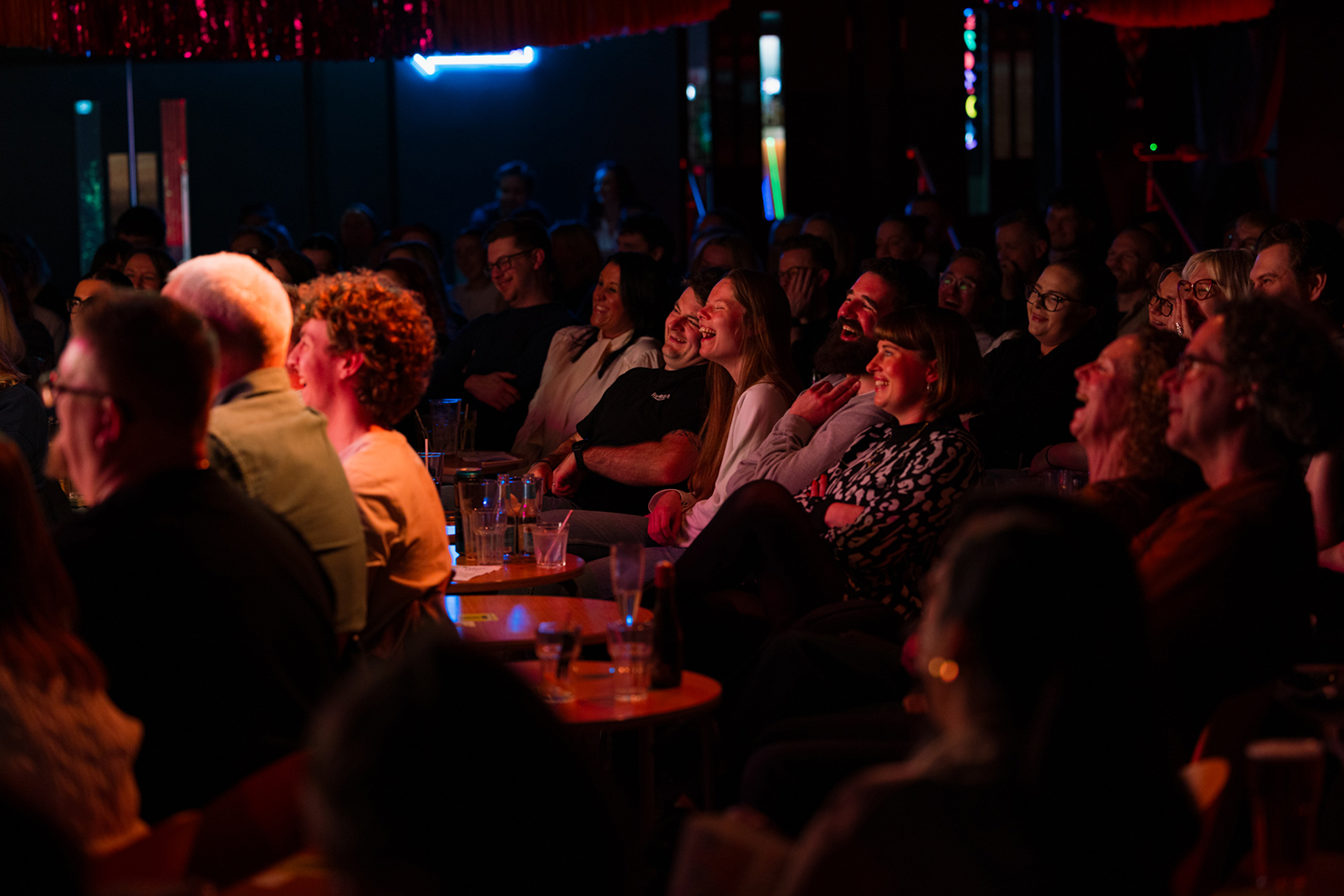
Hundreds of free tickets are up for grabs for humour-hungry Brummies between 14 August and 26 September
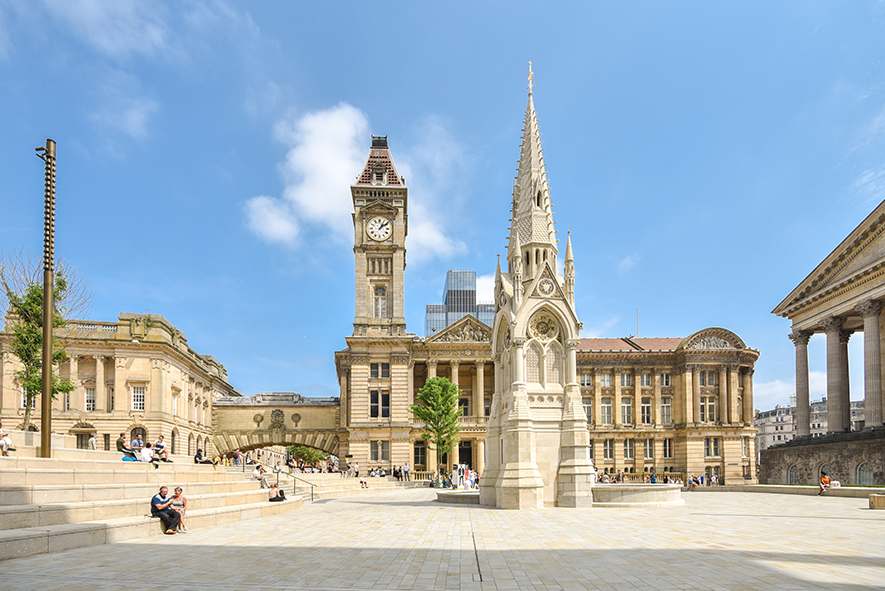
The open call for the UK’s brand new jewellery festival’s flagship exhibition will offer jewellery practitioners from across the UK the chance to exhibit at the world-renowned Birmingham Museum and Art Gallery and to win thousands of pounds.
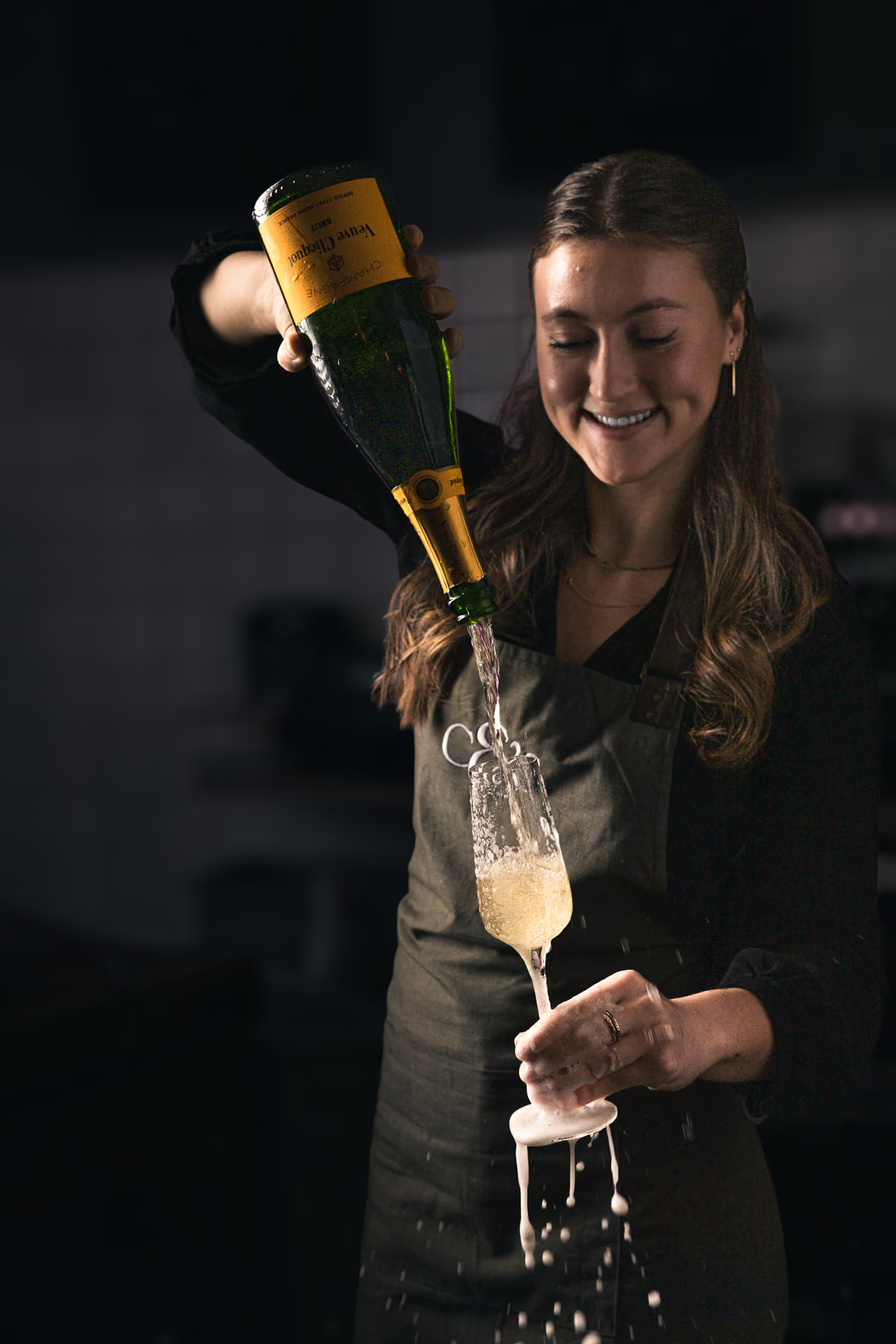
Cow & Sow is offering all graduates a complimentary glass of fizz to kick-start their celebrations. Available Monday-Friday from 6th-31st July.
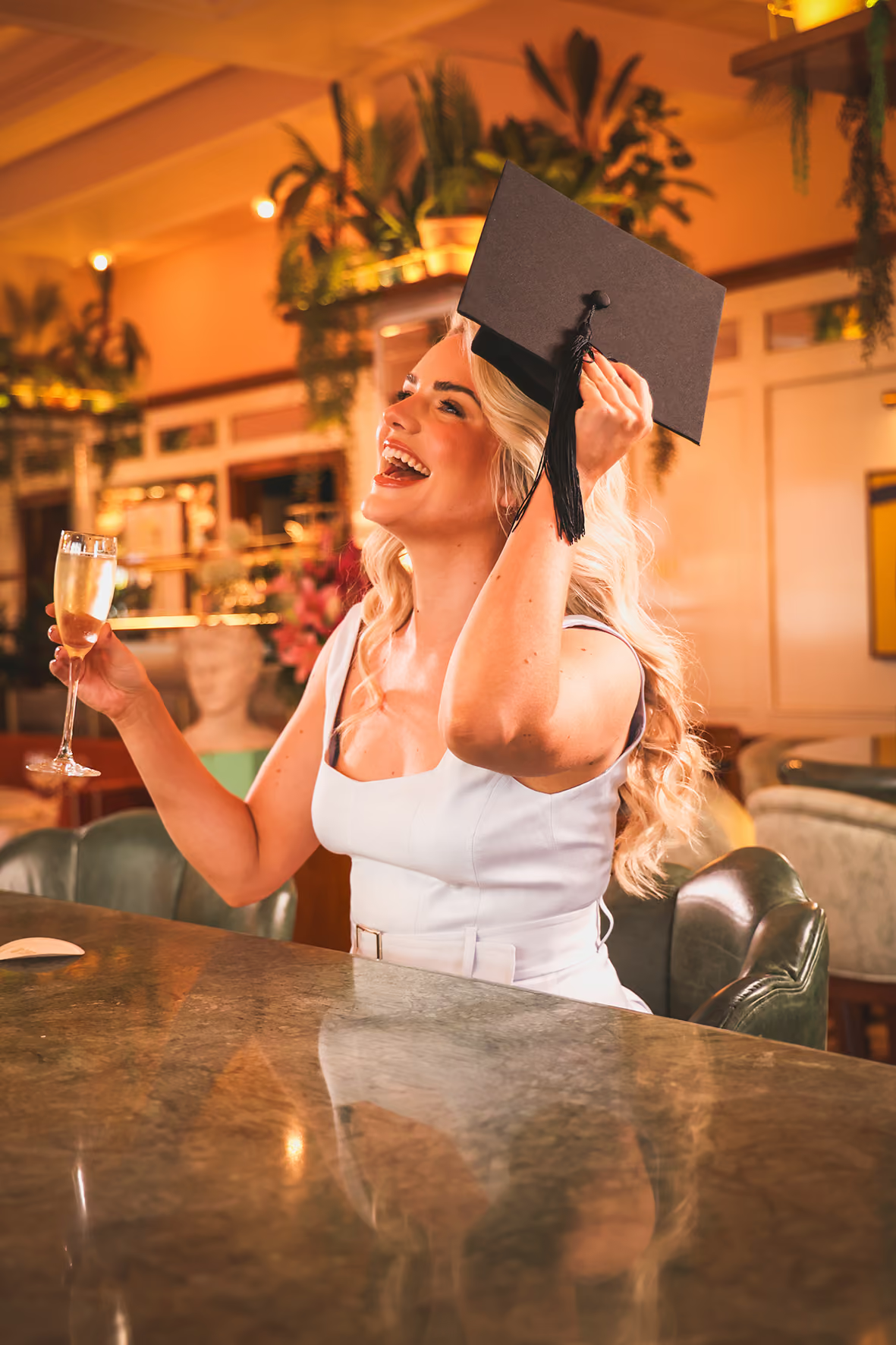
Dedicated Graduation Menu, available from 6th July to 2nd August.
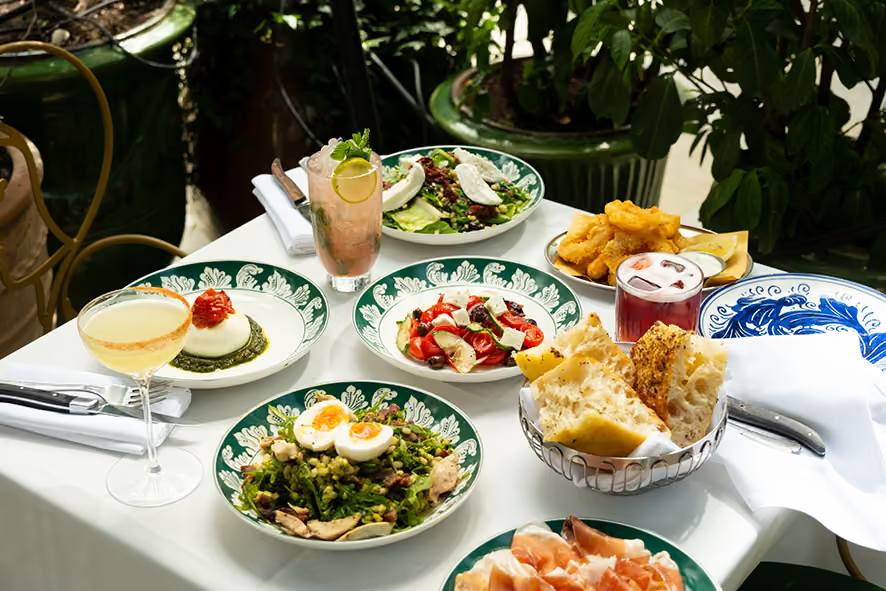
Guests can enjoy three courses from either the à la carte or set lunch menu, with all dishes designed to take you to Italy and back in 60 minutes. The set menu is priced at £19 for antipasti and main, with dolci available for an extra £5
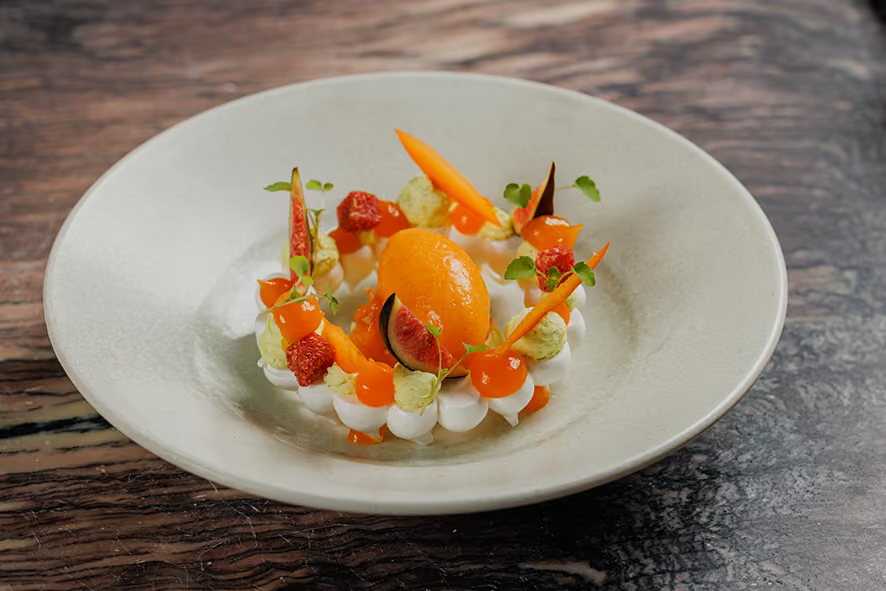
Birmingham Restaurant Festival has revealed the final list of 60 restaurants, the highest number of participating eateries in its history, and the exclusive menus that will offer foodies exciting and affordable dining experiences from 1st to 31st August.
New to Swealthy Magazine? Welcome. Discover where to find our latest editions and catch up on everything you’ve been missing here:
Our beautifully crafted print magazine deserves pride of place on your coffee table. Sign up to receive every bi-monthly edition, delivered directly to your door - before anyone else.
Subscribe for a year and save 25%

Copyright © Swealthy LTD
All rights reserved






-2.avif)
.avif)
-RSC.avif)


-copy.avif)

.avif)