Speak with our friendly team today and discover how you can stand in front of our readers and make this space your own.

They’re synonymous with fun, laughter and general merriment but the history of cocktails is both tasty and fascinating!
They’re synonymous with fun, laughter and general merriment but the history of cocktails is both tasty and fascinating!
They’re synonymous with fun, laughter and general merriment but the history of cocktails is both tasty and fascinating!
In the 1920s, the USA banned the manufacturer, sale and distribution of alcohol to reduce crime throughout the states. Of course, what actually happened, is that people got more inventive, with speakeasy bars popping up under the guise of other establishments around the country.
And when these bars started to get found out, landlords and bartenders created cocktails, as a way to disguise the alcohol they were selling. This led to the creation of some the best-known cocktails of today, proving just how delicious these drinks were – no wonder prohibition failed!
But cocktails had been around for far longer than that. People have been mixing their drinks for as long as they have been drinking alcohol. In ancient Greece, they liked to add honey and seawater to their wine, while in pagan England they preferred aromatic cider, created with a blend of herbs and spices.
Then, in medieval times, the sugar trade expanded, and so did cocktail possibilities. And when distillation techniques found their way from the Silk Road into Europe and America, people started to make their own alcoholic drinks, although they considered them medicinal at the time.
While punch bowls have a reputation for being student party drinks, they began life in India, where mixologists had greater access to citrus fruits and spices. When Europeans started to travel to India in the 17th century, they loved the idea of these big, flavoursome alcohol bowls and news quickly travelled around the globe. With famous adventurers returning from their travels with boats full of rum, cocktails quickly became hot property amongst the elite.
And then, in 1767, someone worked out how to create ice cubes with artificial carbonation, and someone else invented the refrigerator. The profession of bartending quickly rose in prominence and made people famous. Drinks like the Mint Julep, Sazerac and Manhattan were very popular.
When prohibition hit America, many of those famous bartenders moved to Europe, including Harry Craddock, the author of the mixologist’s bible, The Savoy Cocktail Book.
So, with World Cocktail Day on 13th May, here are three drinks that every self-respecting cocktail enthusiast should try.
Which will you make this World Cocktail Day?
AMERICAN BAR | THE SAVOY, LONDON
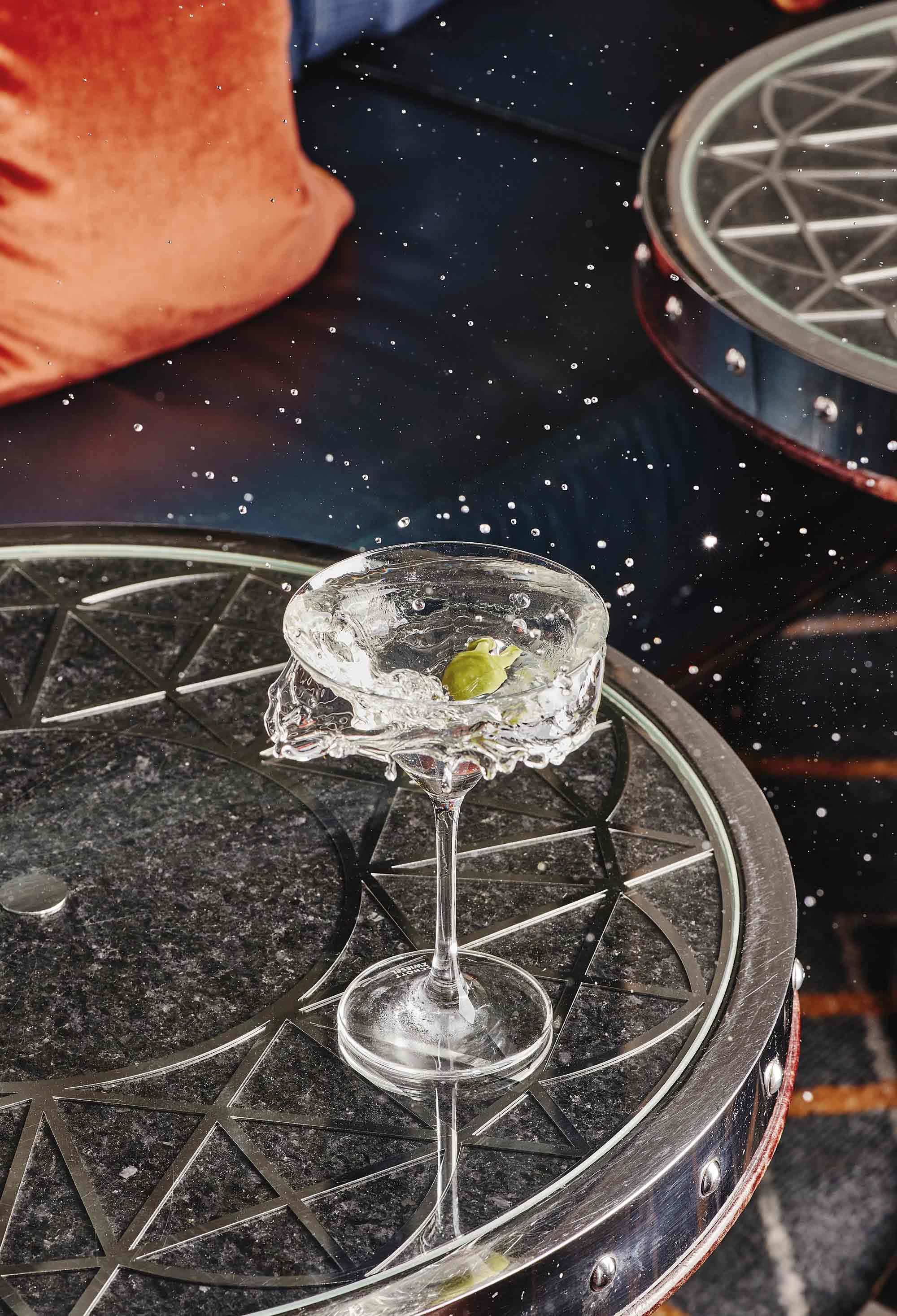
We start with a cocktail straight from Harry Craddock himself, which he perfected during his time at the American Bar at the Savoy Hotel. The Martini is one of the most famous cocktails ever, mostly thanks to its reputation for being James Bond’s favourite drink – although the super spy went against the cocktail rules and asked for his to be “shaken, not stirred.” If you want to make yours properly – always stir!
Harry Craddock moved to New York to learn his craft, heading back home to England when prohibition came into force. He was 44 years old when he got the job at The Savoy, and a master mixologist.
It’s worth noting that Harry didn’t invent the Martini. In fact, it’s believed the drink is an evolved version of the Martinez cocktail, which evolved from the Manhattan, and Harry most likely discovered the original while working in New York. But he is responsible for turning it into an international icon. The Martini has worked as the base for many other modern cocktails, such as the Lemon Drop, the Appletini and the Espresso Martini.
Pour 45ml dry gin, 22.5ml white vermouth, 22.5ml red vermouth and a dash of Angostura Bitters into a mixing glass. Add plenty of ice and stir gently with a cocktail stirrer. Strain into a cocktail glass and garnish with a twist of orange.
It is important to stir and not shake this delicate drink, as this helps combine the aromatic flavours without creating air bubbles or ice chips which can spoil the balance. Classic Martinis only require one type of vermouth, but this blend adds something extra that makes this cocktail truly irresistible. And, of course, if you prefer to garnish with an olive or a lemon twist, both options work beautifully too.
Finally, go easy on the Bitters – a little goes a long way.
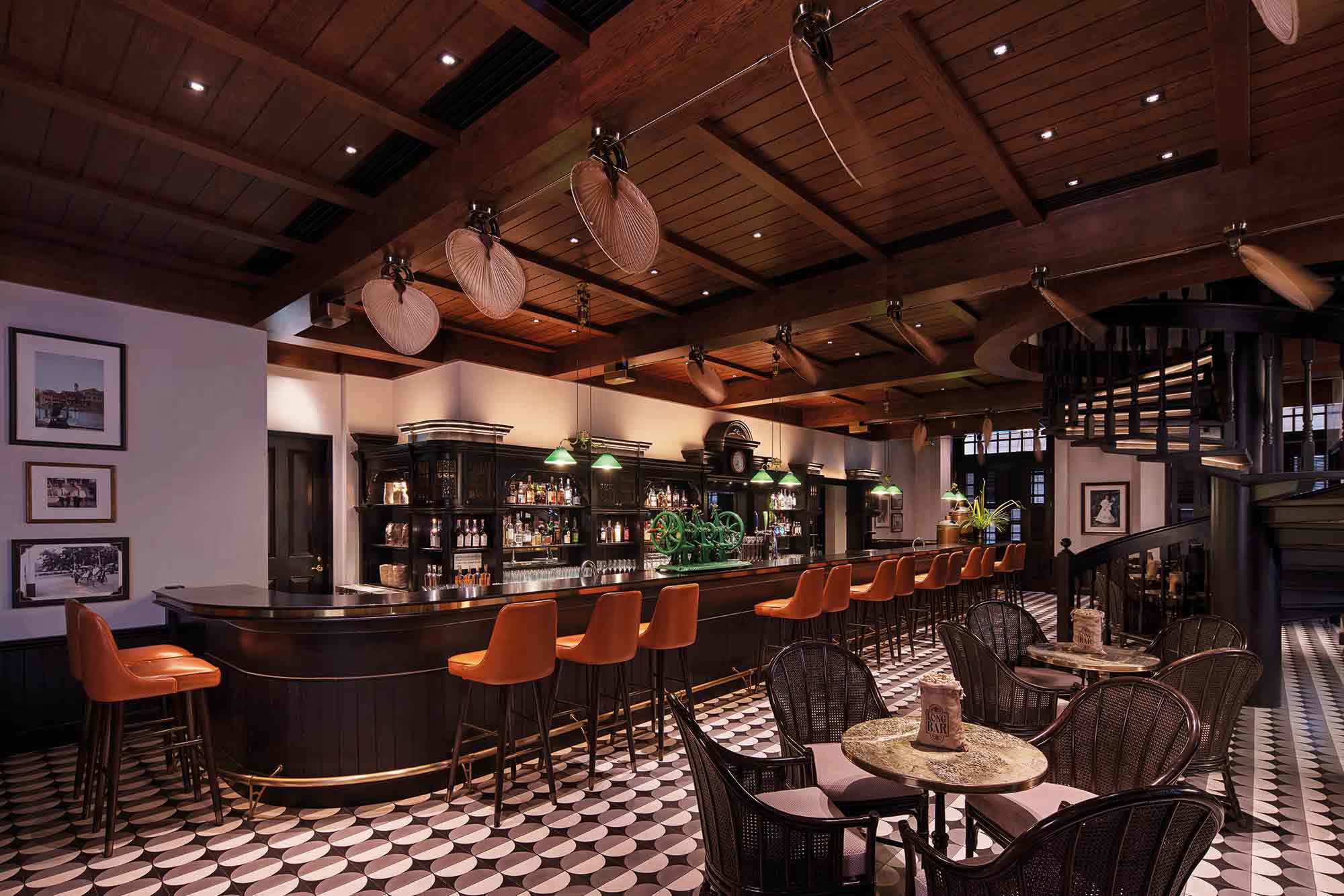
THE LONG BAR | RAFFLES, SINGAPORE
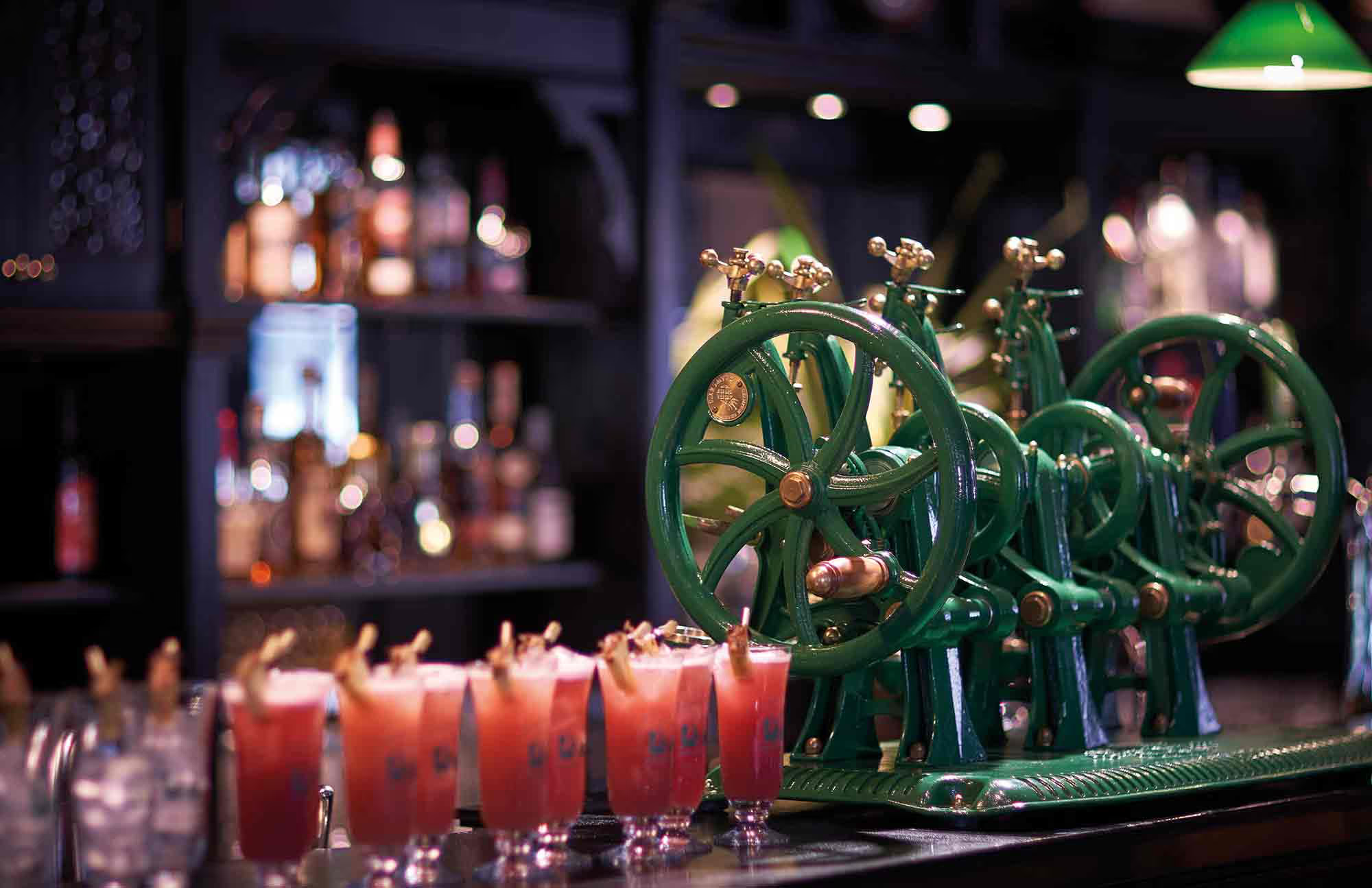
The Singapore Sling is synonymous with the Long Bar and every visit to this iconic venue should always start with one of these cocktails. It was invented here in 1915 by bartender Ngiam Tong Boon and the reason might surprise you.
Raffles Hotel Singapore was the place to be at the time, bringing the local community together. But while men were able to enjoy glasses of whiskey or gin, social etiquette meant that women were restricted to fruit juices or tea in public.
Imagine their delight when Ngiam created a cocktail that looked like fruit juice but contained gin! He deliberately made it pink to appeal to their feminine side, allowing women to consume alcohol in public without destroying their reputations.
Great for locals, but Raffles wanted to cement its reputation as a destination for tourists too. They promoted the drink to travel writers and even shared the recipe so that others could attempt to make it too. Clearly, their marketing efforts worked, as this cocktail is still world famous, and the bar is almost as well-known.
For this recipe, you’ll need 22.5ml lime juice, 60ml pineapple juice, 30ml gin, 10ml grenadine, a dash of Scrappy’s Spice Plantation Bitters, 10ml cherry liqueur, 10ml DOM Benedictine and 10ml of Pierre Ferrand dry curaçao. Add all the ingredients to a cocktail shaker with ice and give it a very good shake. You can then strain the drink into a highball glass and garnish with a Maraschino cherry and a pineapple wedge.
The result is a fruity, tropical drink that doesn’t taste too alcoholic (although you’ll definitely know it’s there). There have been numerous versions of this drink over the years, but this is the current recipe used by the hotel. They now have a renewed emphasis on sustainable ecoSPIRITS, amid their efforts to reduce waste and their carbon footprint. As part of the ecoSPIRITS programme, the hotel plants one native tree in the Kalimantan or Sumatran rainforest for every 25 Singapore Slings ordered, leaving a permanent legacy of carbon reduction and reforestation of endangered wild areas.
BAR HEMINGWAY | THE RITZ HOTEL, PARIS
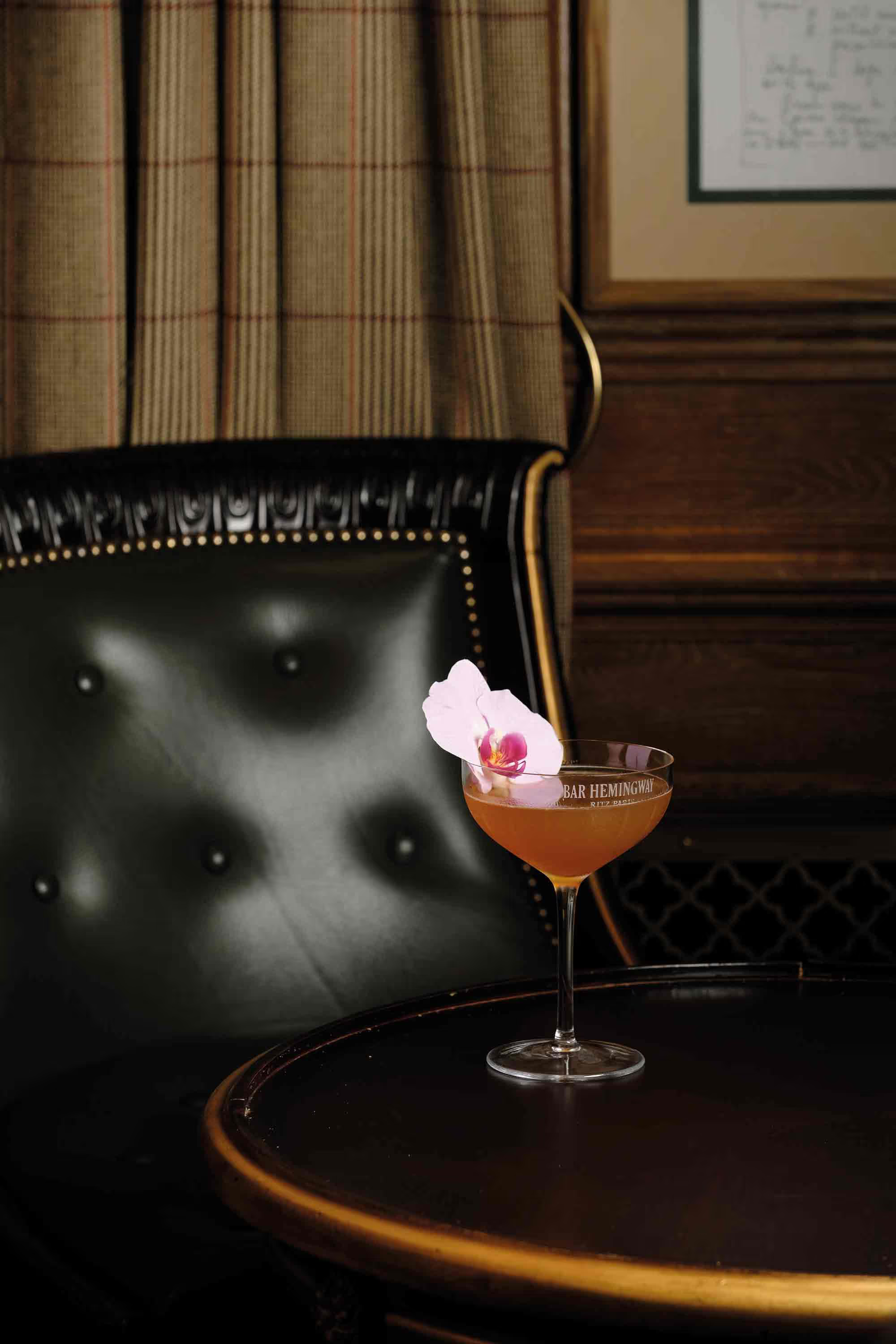
While most classic cocktails seem to have more than one potential bartender claiming to have created it, few are as hotly contested as The Sidecar. It seems most likely that it was first introduced in London by Pat MacGarry, the celebrated bartender of Buck’s Club. Around 1923, Franck Meier at the Ritz Paris, created a more luxurious version with a pre-phylloxera Cognac. That is the drink that you most likely know and love today.
Most agree that the drink was invented in the early 1920s, likely inspired by the creations coming from Prohibition. But even its name can cause arguments, with some thinking that it was a reference to the first person to taste the drink, who arrived at the bar in a sidecar. Others think it is a nod to the fact that any leftover drink that doesn’t fit in the main glass can be poured into a smaller one, or a sidecar glass.
What we do know for sure, is that this is a delicious drink!
Before you touch any of the main ingredients, you need to prepare your cocktail glass. Moisten the rim with a wedge of lemon and dip it in sugar so that it evenly decorates the rim.
In your cocktail shaker, add 40ml cognac, 20ml triple sec and 10ml lemon juice. Fill with ice and give it a really good shake – for at least 15 seconds. Strain into your prepared glass and garnish with a lemon twist.
This is a stiff drink made for sipping, but as you might imagine for a cocktail with such murky origins, even the ingredient ratios are up for debate, so you can play around with quantities until you have a cocktail you love.
Speak to your audience directly within articles of their interest both digitaly and through our printed issues.
Speak with our friendly team today and discover how you can stand in front of our readers.

Speak to your audience directly within articles of their interest both digitaly and through our printed issues.
Never miss an edition. Sign up for our digital subscription and enjoy Swealthy content wherever you are. Simply leave your details and join our community – oh and it’s completely free of charge!
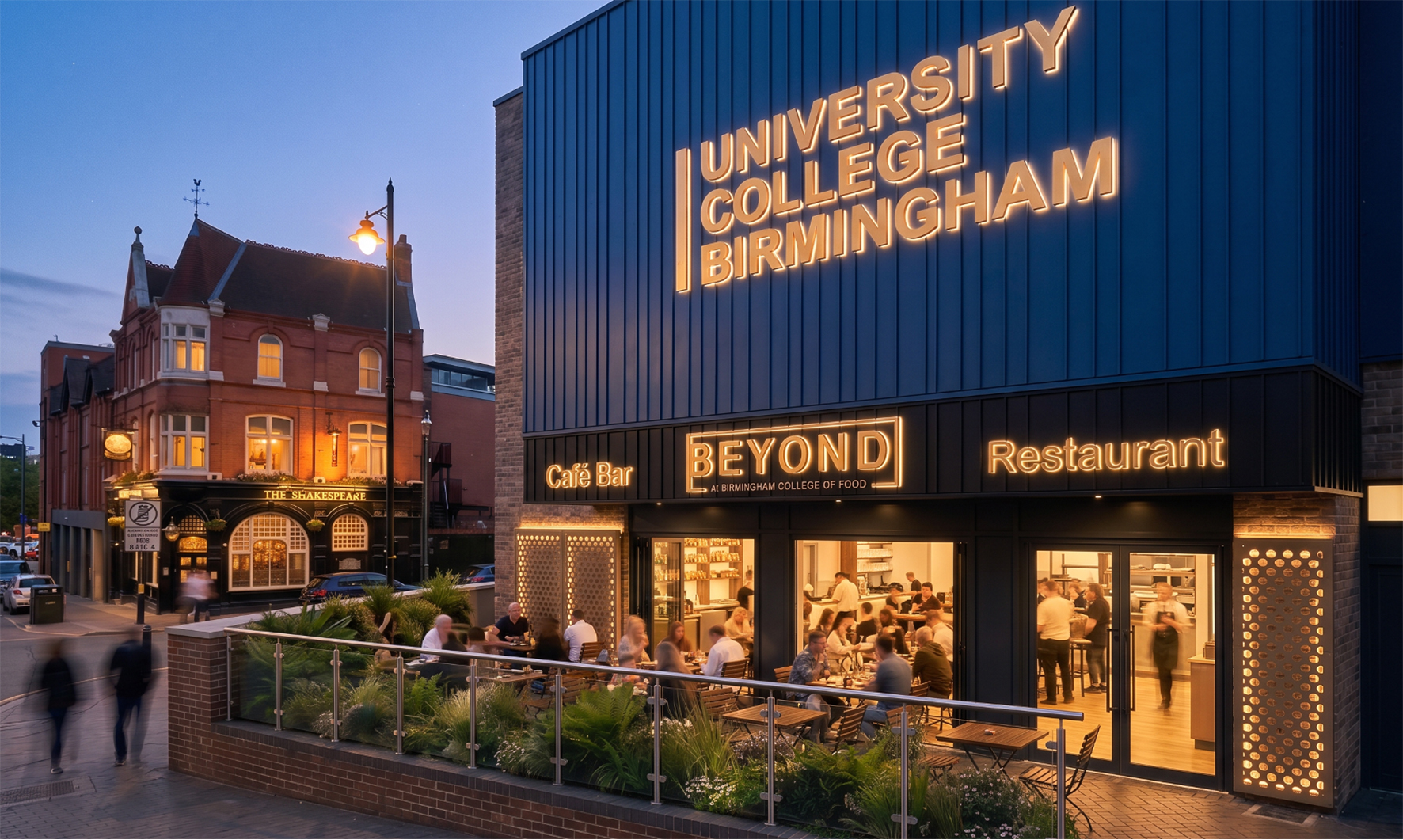
University College Birmingham (UCB) has revealed details of new restaurant Beyond and a major transformation of Restaurant at College of Food, with both venues opening this autumn
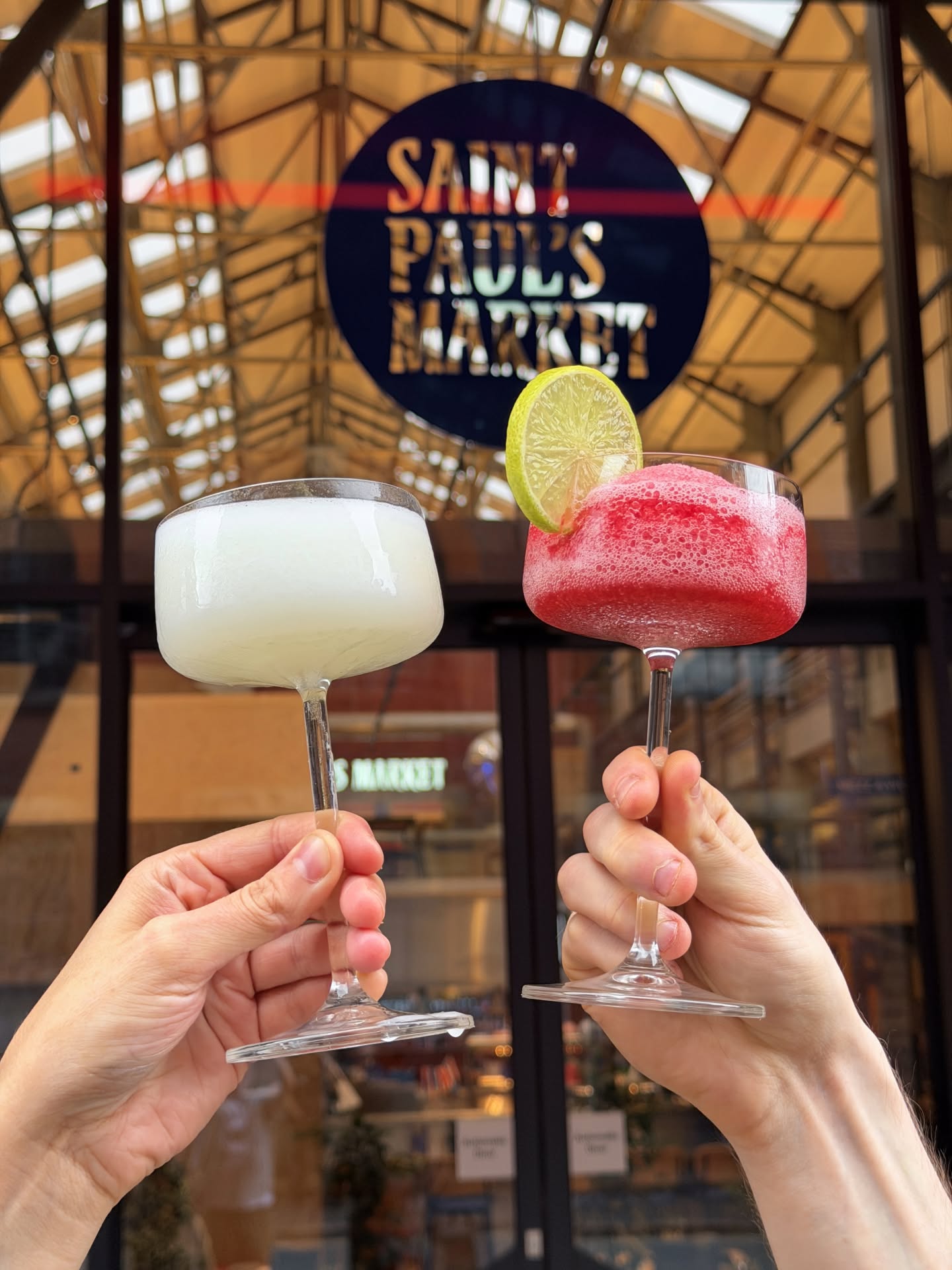
Saint Paul’s Market, in Birmingham’s Jewellery Quarter, is celebrating its first birthday this September with five days of food, drink, live entertainment and independent makers, culminating in an artisan market on Saturday 27 September.

KIBOU Birmingham has announced that it will officially open its doors on Temple Row on Monday 12th October.
.jpg)
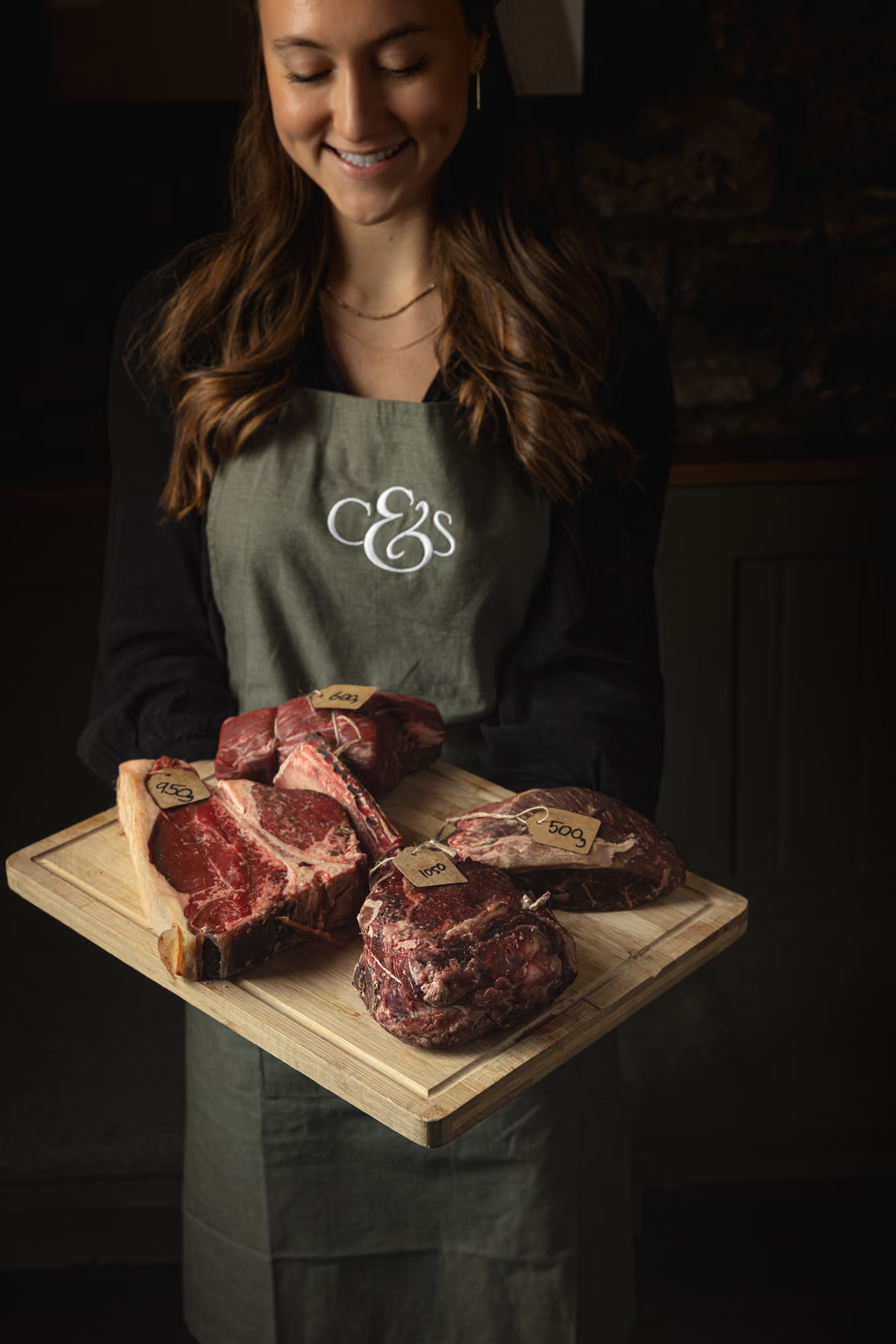
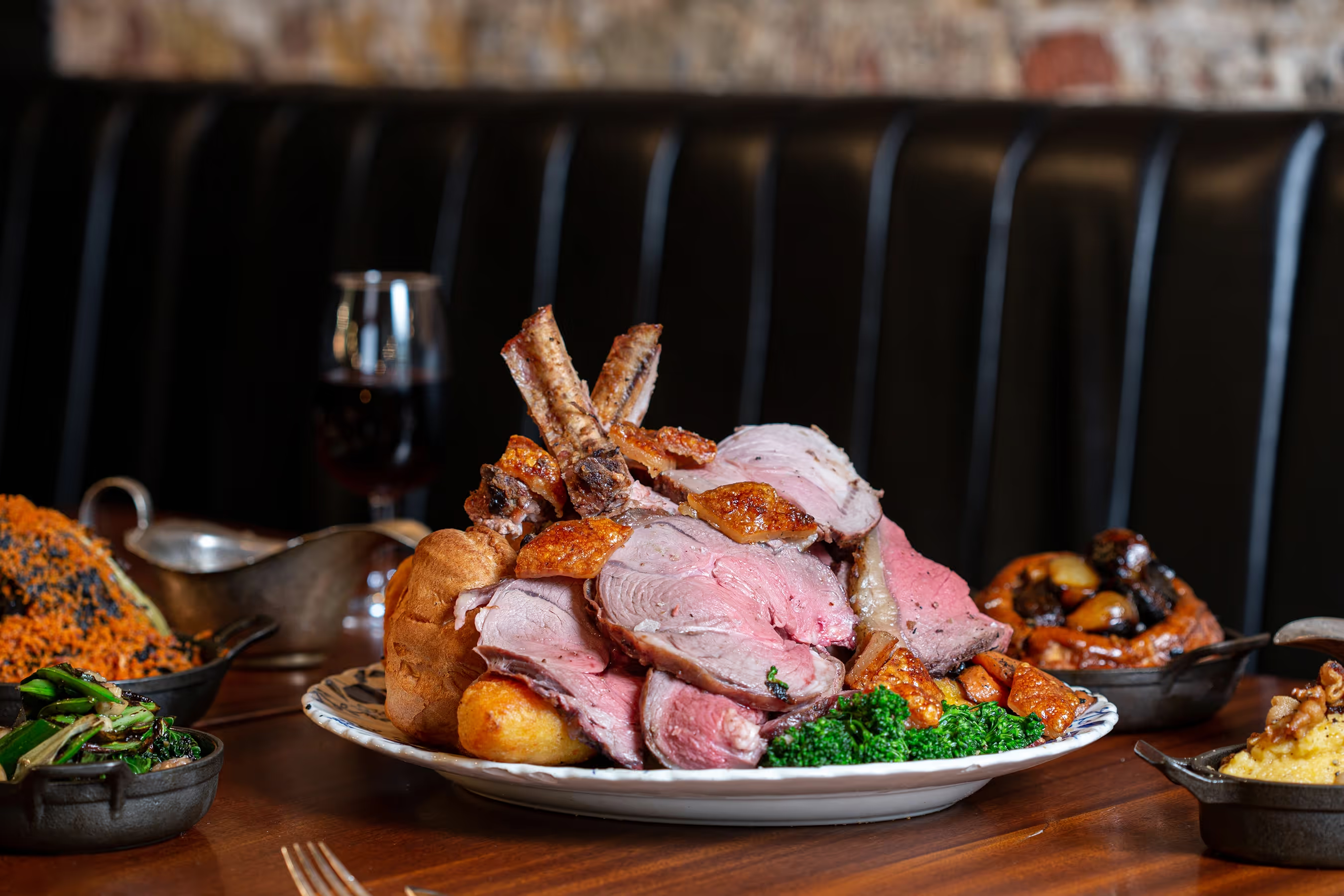
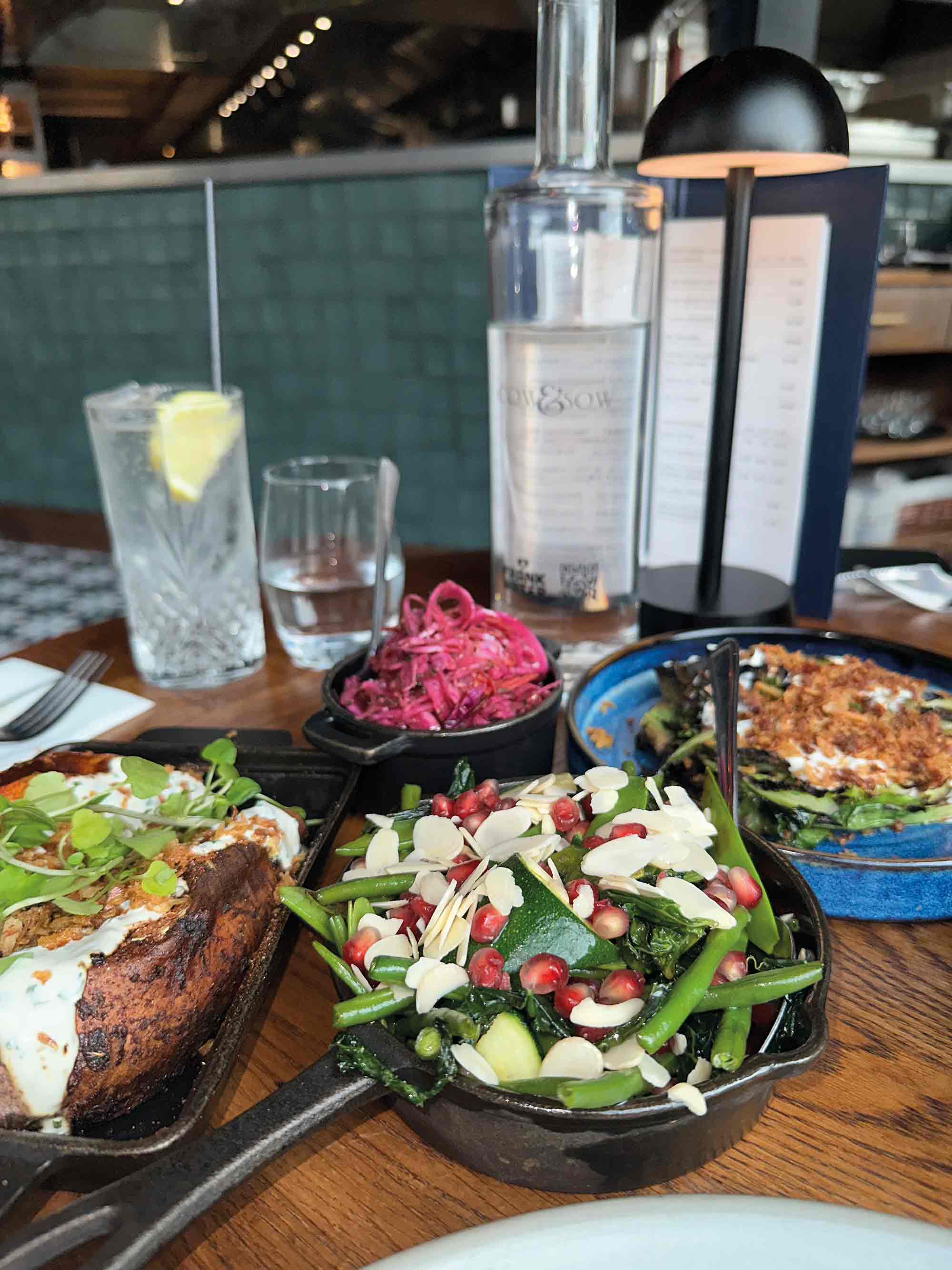
Cow & Sow has given its menu an early festive makeover, releasing bookings for the exclusive festive sharing menu including prime cuts of Wagyu, produce from the Cow & Sow farm and new indulgent desserts
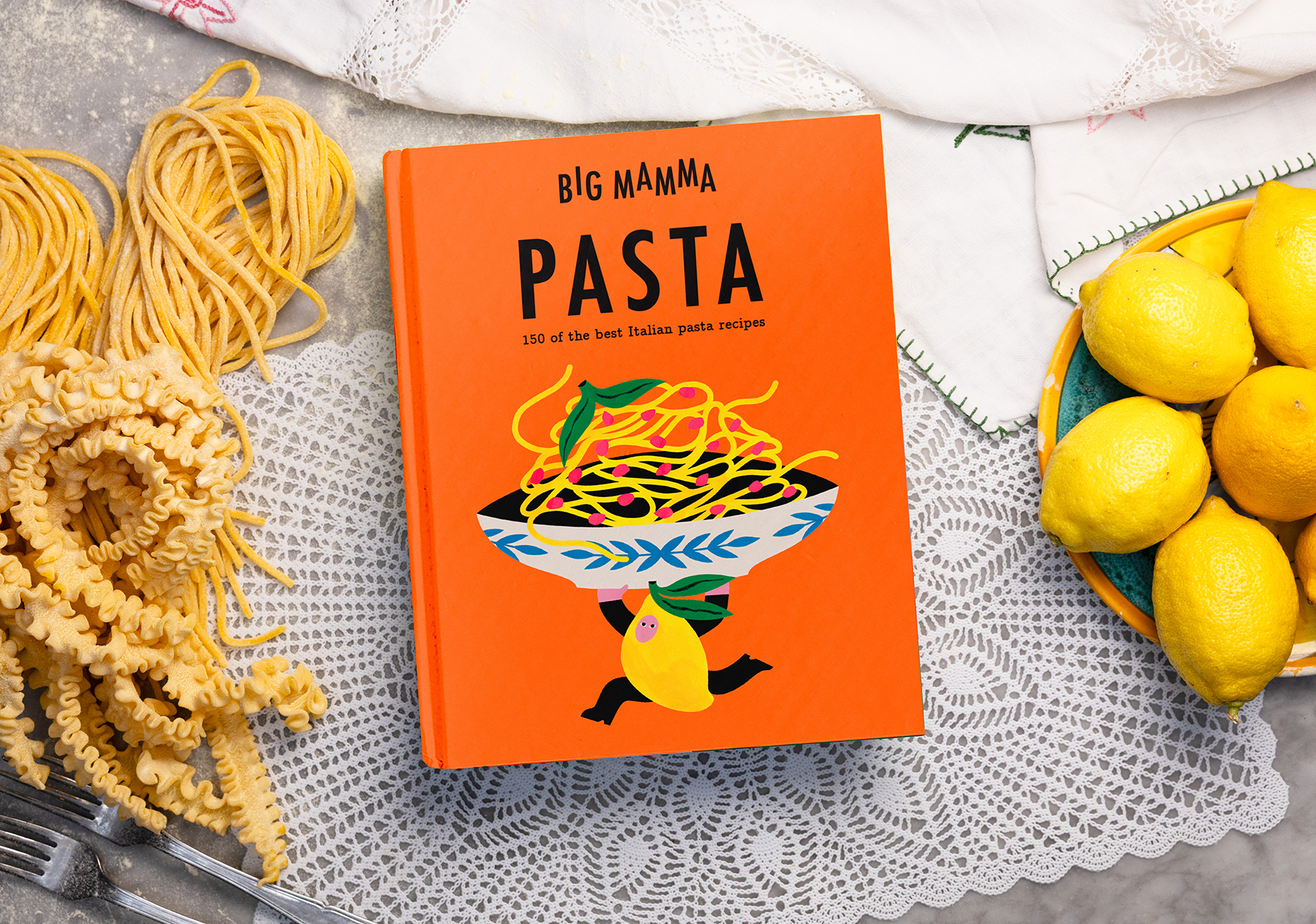
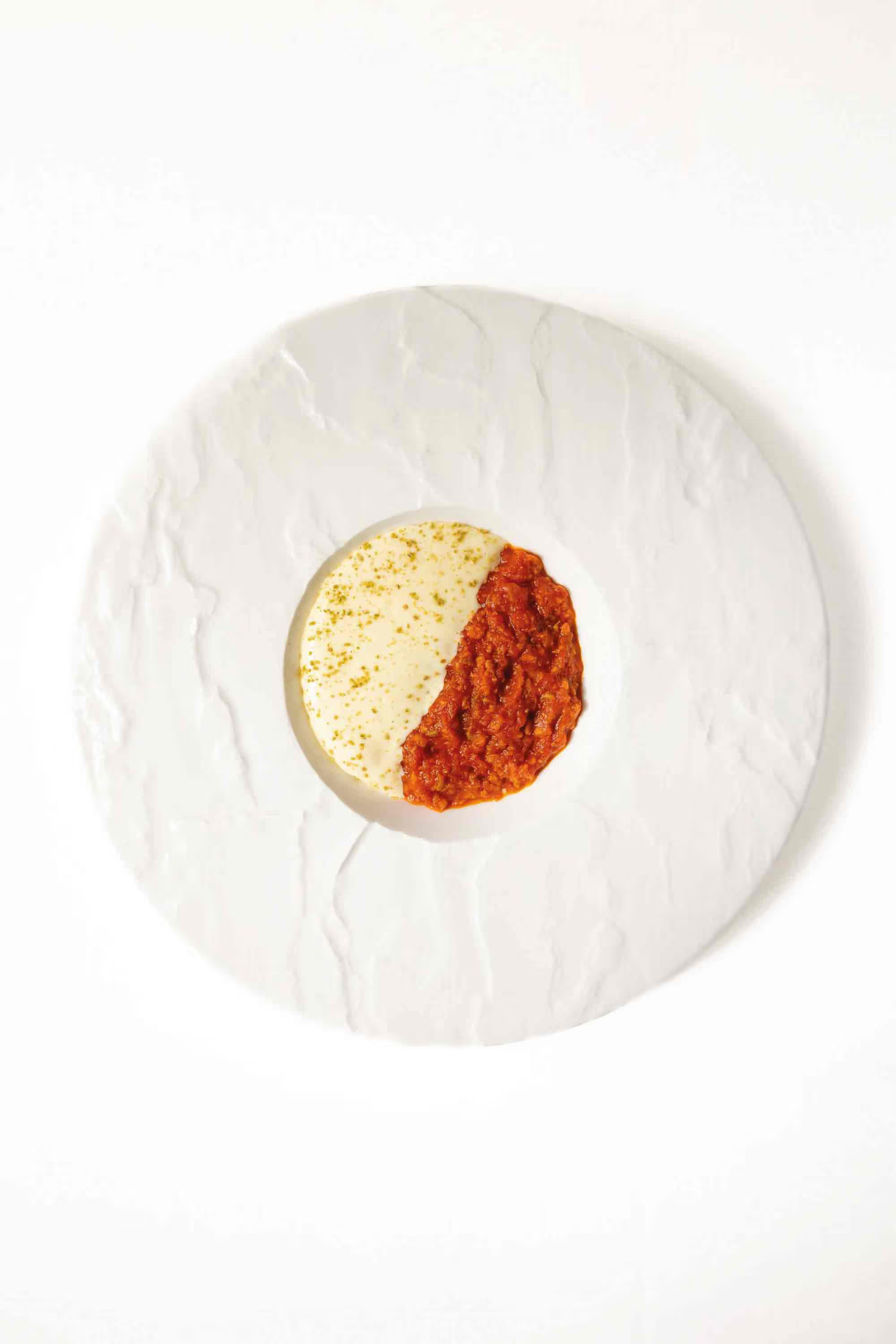
Big Mamma: Pasta’ brings together 150 Italian pasta recipes, from classic ragùs to homemade orecchiette, and will be published on 8 October 2026, priced at £26
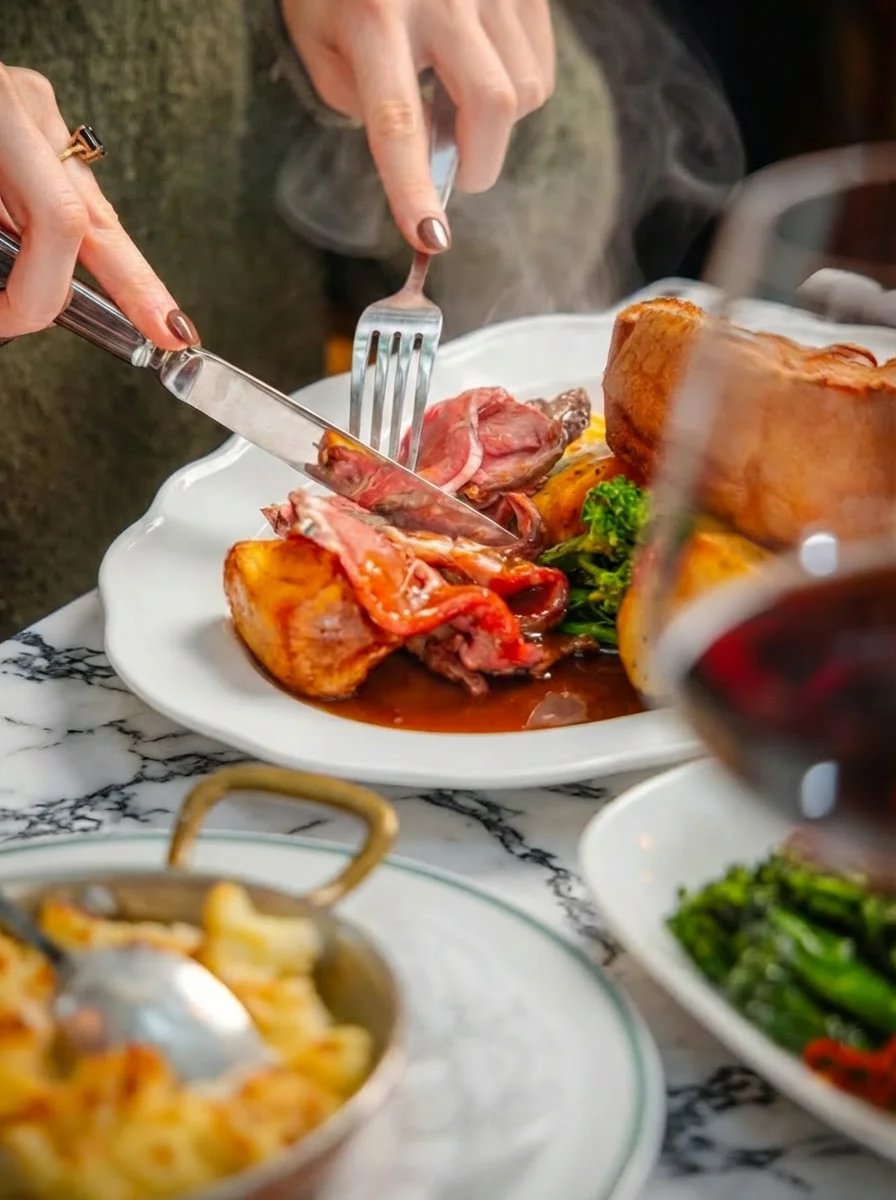
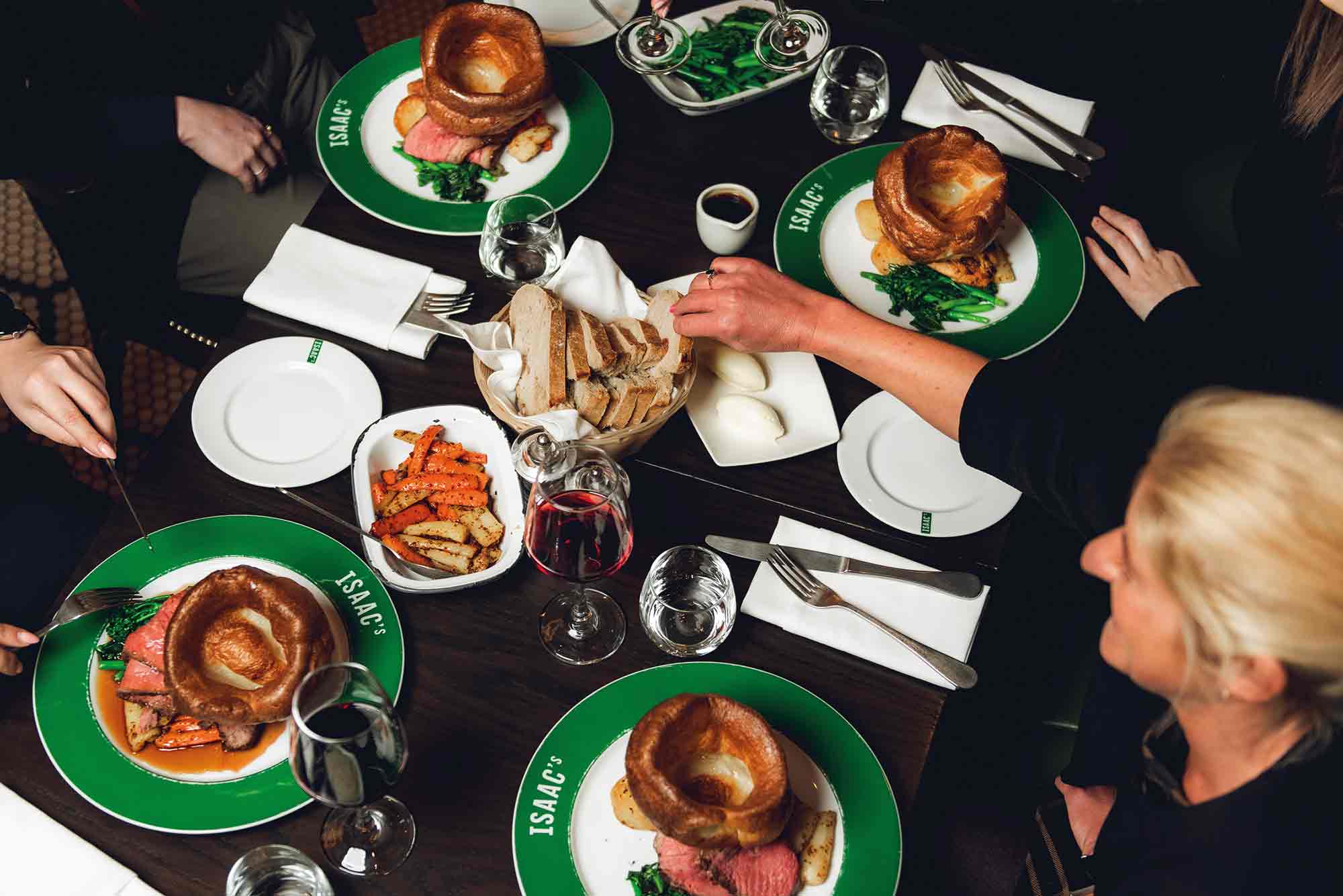
Family-owned Italian restaurant group San Carlo has a great Sunday Roast offering at both San Carlo Birmingham on Temple Street and Fumo Birmingham on Waterloo Street, bringing a contemporary take on a traditional British favourite to two of the city’s most established dining destinations.
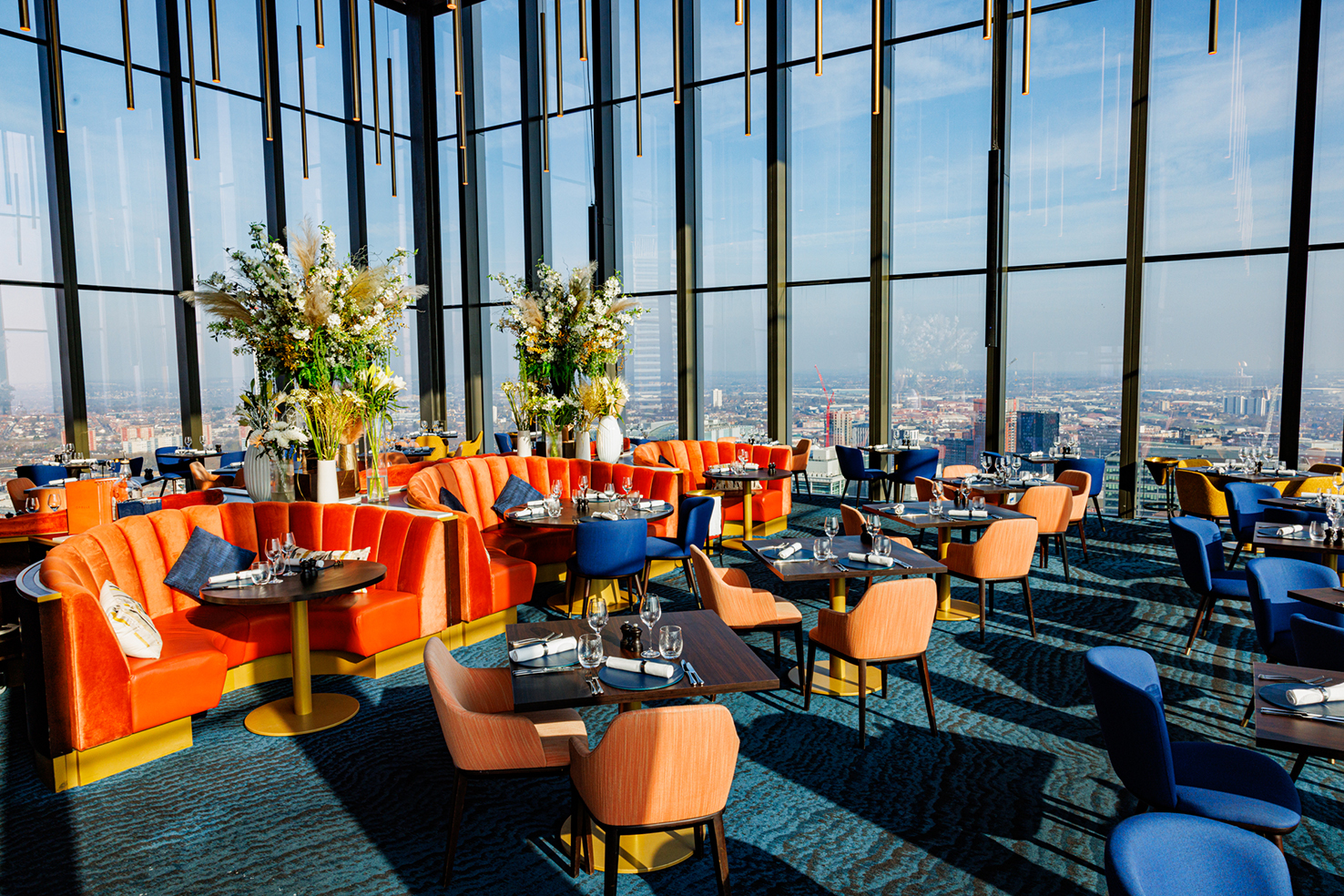
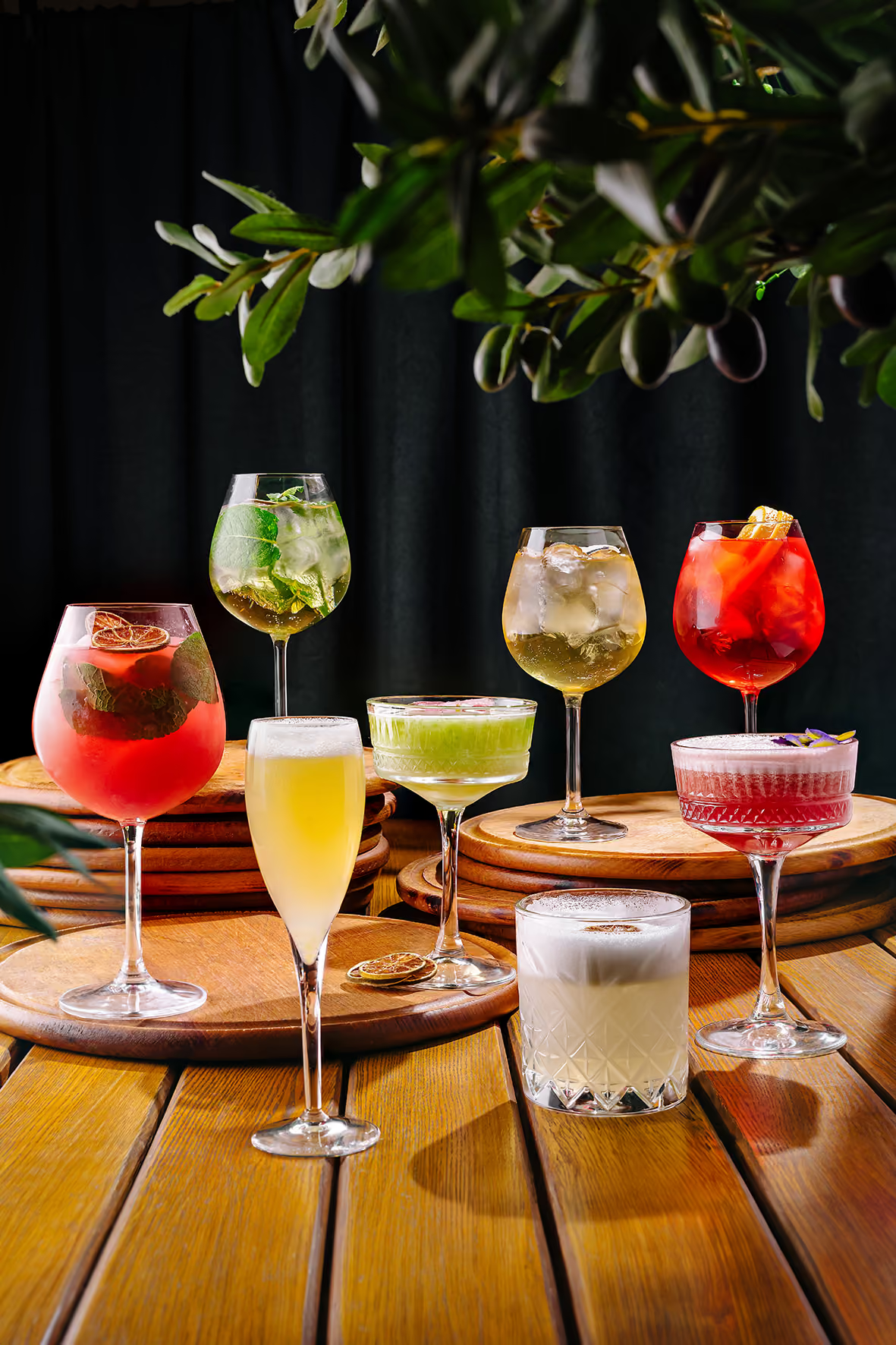
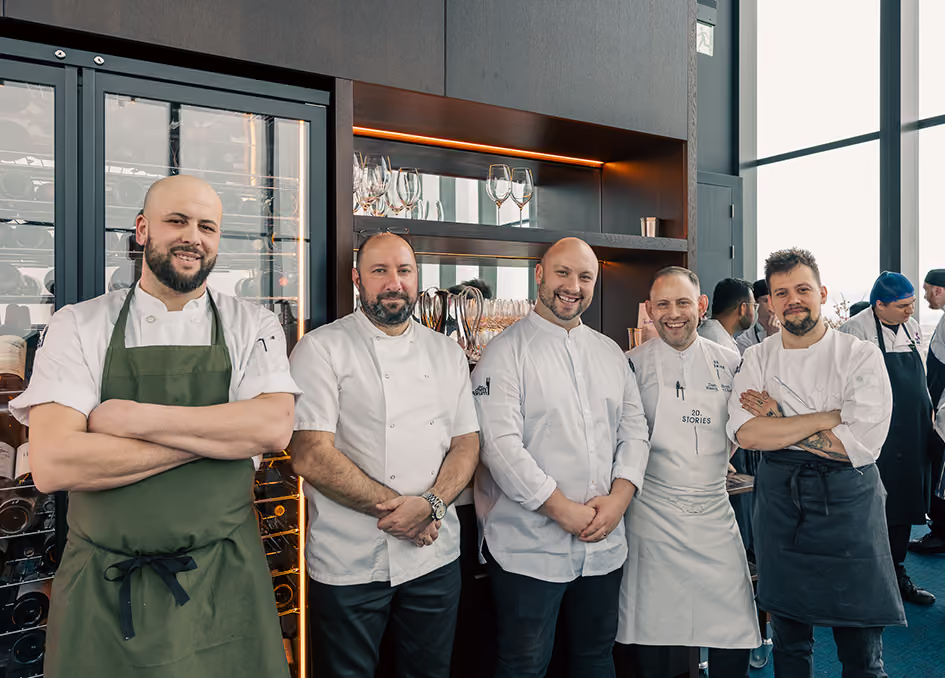
24 Stories is marking the Bank Holiday weekend with summer sips and sophisticated dining, set against panoramic views of Birmingham.
New to Swealthy Magazine? Welcome. Discover where to find our latest editions and catch up on everything you’ve been missing here:
Our beautifully crafted print magazine deserves pride of place on your coffee table. Sign up to receive every bi-monthly edition, delivered directly to your door - before anyone else.
Subscribe for a year and save 25%

Copyright © Swealthy LTD
All rights reserved




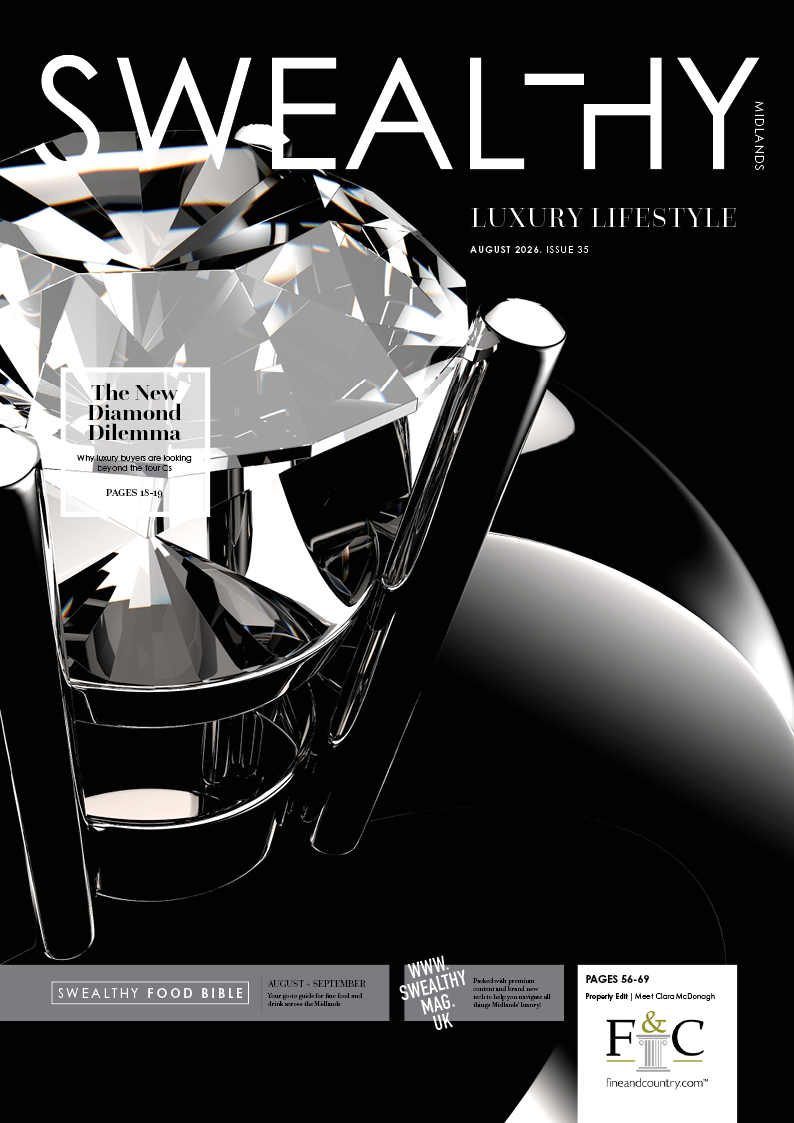


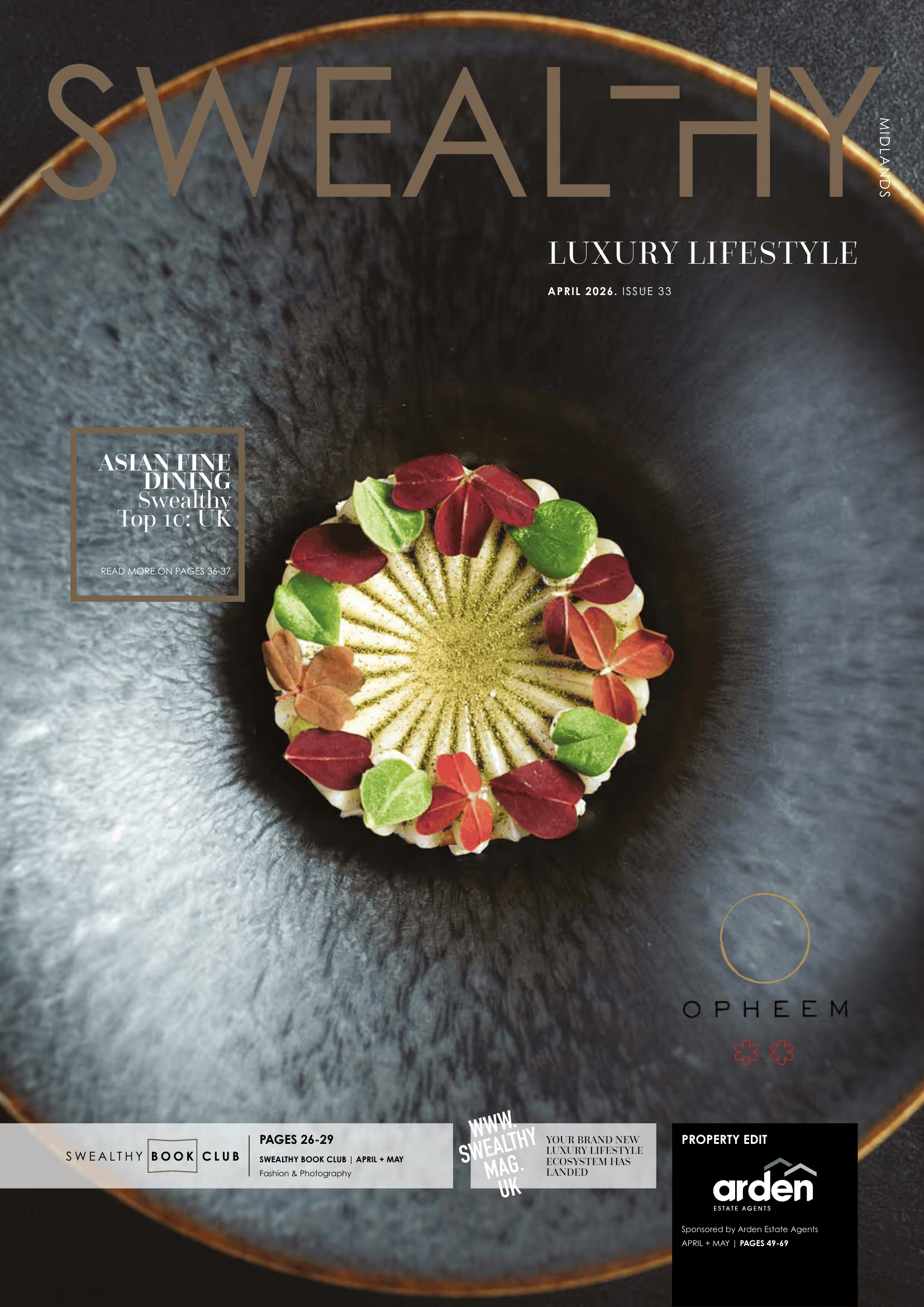






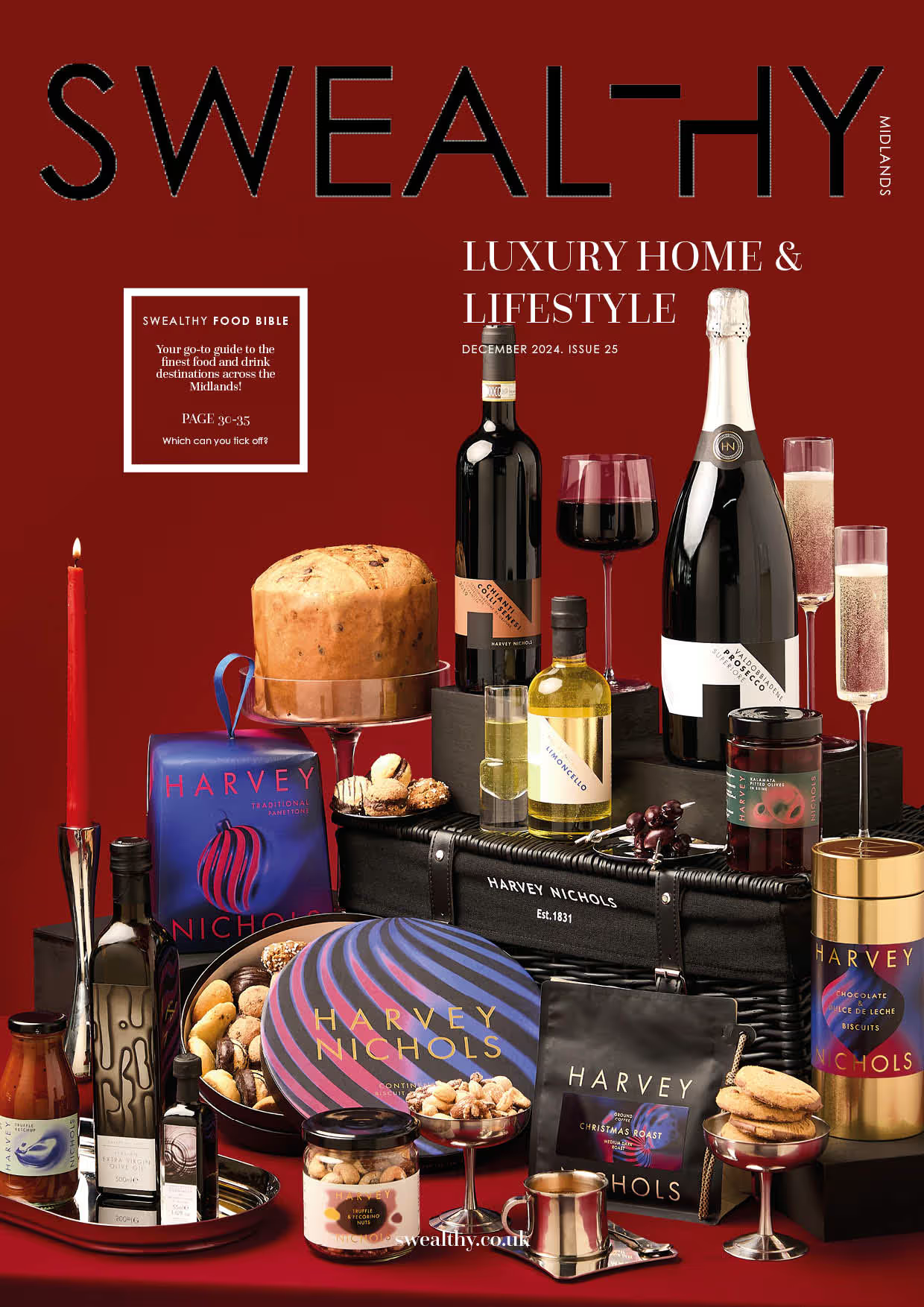




.avif)



%204541%20(1).avif)


-2.avif)
.avif)


-RSC.avif)








.avif)









-copy.avif)